
How Modular Flooring Technology Is Transforming Public Spaces in 2026
Spaces in 2026
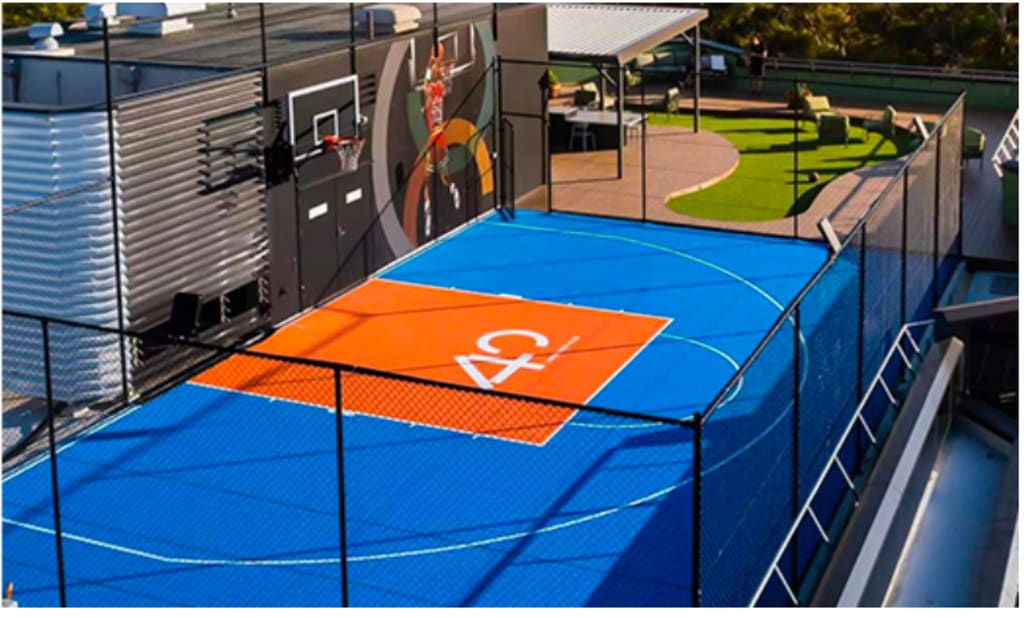
Now, when we talk about cheap interlocking tiles, it’s not just about cost-saving - although that’s a major factor - but about accessibility, speed of installation, and surprisingly sturdy applications from playgrounds all the way to emergency relief housing floors. The concept is simple yet powerful: affordable, modular flooring that anyone can install almost anywhere.
Recent industry reports show growing interest in modular flooring systems. These solutions are appearing in sports facilities, schools, community centers, and recreational venues. Their practical design and efficient installation have attracted attention from planners and facility managers.
The shift reflects a broader trend toward flexible construction materials. Organizations increasingly seek solutions that reduce downtime and support long-term use.
A New Approach to Flooring Design
Traditional flooring installations often require extensive preparation. Projects may experience delays due to labor requirements and surface preparation.
Modular flooring systems offer a different approach. Individual sections connect securely and can be installed with less disruption. This flexibility makes them suitable for both new construction and renovation projects.
Many facilities now consider modular flooring during planning stages. Decision-makers value products that simplify maintenance and improve operational efficiency.
Technology Continues to Shape the Industry
Manufacturing advancements have improved flooring performance significantly. Modern production methods allow greater consistency and durability.
Engineers are developing stronger structures that withstand daily wear. Surface technologies also continue to improve. These developments help extend product lifespan while maintaining appearance.
Digital design tools contribute to innovation as well. Manufacturers can evaluate performance characteristics before production begins. This process supports better quality control and product reliability.
Technology acceptance remains a major factor in purchasing decisions. Organizations increasingly prioritize long-term value over short-term savings.
Sports Facilities Drive Adoption
Sports venues have become key users of modular flooring systems. Facility operators require surfaces that support frequent activity while remaining easy to maintain.
Many indoor courts and recreational centers have adopted modular solutions. Installation speed often allows projects to remain on schedule.
Maintenance teams also benefit from replaceable sections. Instead of replacing an entire surface, individual components can often be updated when necessary.
This practical advantage helps reduce operational interruptions.
Schools and Community Centers Follow the Trend
Educational facilities face unique challenges. Floors must support large numbers of students while remaining safe and durable.
School administrators increasingly explore modern flooring technologies during renovation projects. Modular systems provide flexibility for multipurpose spaces and activity areas.
Community centers have shown similar interest. These facilities often host diverse events throughout the year. Adaptable flooring helps accommodate changing requirements.
The result is a growing market for innovative flooring solutions.
Sustainability Gains Importance
Environmental goals continue influencing construction decisions. Organizations seek materials that support responsible resource management.
Durable flooring contributes to sustainability by reducing replacement frequency. Longer product life can help lower material consumption over time.
Manufacturers are also exploring environmentally conscious production practices. These efforts align with broader industry initiatives focused on reducing waste and improving efficiency.
As sustainability standards evolve, flooring innovation is expected to remain a priority.
Infrastructure Investments Create New Opportunities
Governments worldwide continue investing in public infrastructure. Transportation hubs, recreation centers, and civic facilities require dependable building materials.
Flooring plays an important role in these developments. Project managers often seek solutions that balance durability, maintenance, and cost considerations.
Modular systems have gained attention because they address several of these requirements simultaneously. Their versatility supports a wide range of applications.
Industry analysts expect continued growth as infrastructure modernization efforts expand.
The Role of Affordability in Modern Construction
Budget management remains an important concern for organizations of all sizes. Construction projects frequently face pressure to maximize value.
As a result, facility planners often evaluate solutions based on total lifecycle costs. Installation efficiency and maintenance requirements influence purchasing decisions.
Products such as cheap interlocking tiles have become part of discussions surrounding practical flooring strategies. Their appeal comes from balancing affordability with functionality across various applications.
The growing interest reflects broader changes in how organizations approach construction investments.
Looking Ahead
Industry experts expect flooring technology to continue advancing. Improved materials, smarter manufacturing methods, and evolving design standards will likely shape future products.
Demand for adaptable solutions is expected to remain strong. Public facilities, educational institutions, and recreational venues continue seeking materials that support long-term performance.
Innovation will play a central role in meeting these expectations. Companies that focus on durability, sustainability, and operational efficiency may help define the next generation of flooring systems.
Conclusion
The flooring industry is experiencing meaningful change. Advances in technology, sustainability initiatives, and infrastructure investment are influencing market direction.
Modular flooring systems have emerged as a practical response to these evolving needs. Their flexibility and ease of maintenance continue attracting interest across multiple sectors.
As communities invest in modern spaces, innovative flooring technologies are likely to remain an important part of future development strategies
About the Creator
Emily Carter
Emily Carter is a freelance writer focused on SEO, digital marketing, content publishing, and online business trends. Her articles provide insights into search optimization, content strategy, and the evolving world of digital media.
Enjoyed the story? Support the Creator.
Subscribe for free to receive all their stories in your feed.
Comments
There are no comments for this story
Be the first to respond and start the conversation.