
How Medical Animation Studios Are Changing Healthcare Communication
Healthcare Communication
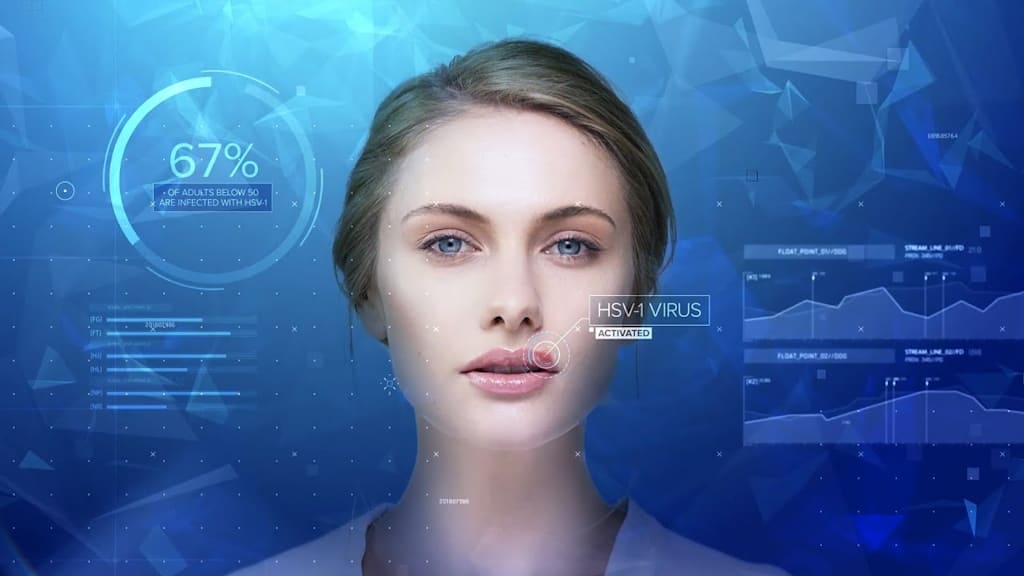
Medical information is often difficult for the average person to understand. Complex surgical procedures, internal body systems, pharmaceutical mechanisms, and scientific research findings usually involve technical explanations that can be overwhelming without visual support. This is one reason why the role of the medical animation studio has expanded significantly in recent years.
As healthcare, biotechnology, and digital education continue evolving, medical animation has become an important communication tool used by hospitals, universities, pharmaceutical companies, and healthcare educators worldwide. These visual systems help transform complicated medical concepts into understandable and engaging content for both professionals and the general public.
What a Medical Animation Studio Actually Does
A medical animation studio creates visual content designed to explain healthcare-related subjects through animation and digital illustration. These studios combine scientific knowledge with animation technology to create videos and visual sequences that demonstrate how the human body functions, how diseases develop, and how treatments work.
Medical animations are commonly used in patient education, surgical training, pharmaceutical presentations, academic learning, and healthcare marketing. Some animations focus on simple educational explanations, while others are highly detailed simulations designed for professional medical audiences.
Unlike general animation work, medical animation requires a high level of scientific accuracy. Artists often collaborate with doctors, researchers, scientists, and healthcare specialists to ensure the information being presented is visually correct and medically reliable.
Why Visual Learning Matters in Healthcare
Healthcare is filled with concepts that are difficult to explain using text alone. Human anatomy, internal biological processes, and microscopic medical interactions are often invisible to the naked eye. Animation helps bridge this gap by making these processes visible and easier to understand.
Research in education consistently shows that visual learning improves information retention. People tend to understand and remember medical explanations more effectively when they are supported by motion graphics and visual demonstrations.
For patients, this can reduce confusion and anxiety surrounding treatments or procedures. For medical students and healthcare professionals, animations can improve comprehension of complicated topics that may otherwise require extensive textbook study.
This ability to simplify difficult concepts is one of the primary reasons medical animation has become increasingly important across the healthcare industry.
The Growing Use of Medical Animation in Education
Medical schools and online learning platforms now rely heavily on animated educational content. Traditional diagrams and textbook illustrations are still valuable, but animation allows students to observe dynamic biological processes in ways static images cannot provide.
For example, animations can demonstrate blood circulation, nerve signaling, cellular activity, or surgical procedures step by step. This creates a more interactive learning experience and allows students to visualize how systems function in real time.
During the rise of remote learning and digital education, healthcare institutions increasingly adopted animation-based teaching methods to improve accessibility for students worldwide.
As educational technology continues evolving, animated medical content is expected to remain a major part of healthcare training programs.
Medical Animation in Patient Communication
One of the biggest challenges in healthcare communication is explaining medical conditions to patients in a way that is both accurate and understandable.
Doctors often need to explain procedures, diagnoses, or treatment plans to individuals without medical backgrounds. Medical animations help simplify these conversations by visually showing what is happening inside the body.
For example, a patient preparing for surgery may better understand the procedure after watching an animated explanation rather than reading technical medical documents alone.
Clear communication can improve patient confidence, support informed decision-making, and reduce misunderstandings during treatment discussions.
The Role of Animation in Pharmaceutical and Biotechnology Industries
Pharmaceutical and biotechnology companies also use medical animation to explain how medications and therapies function at a molecular or cellular level.
Many modern treatments involve highly technical biological mechanisms that are difficult to describe using traditional presentations. Animation helps demonstrate how drugs interact with the body, target diseases, or affect specific biological systems.
This is particularly important in scientific conferences, investor presentations, and healthcare marketing where complex research must be communicated to different audiences clearly and efficiently.
As biotechnology becomes more advanced, demand for accurate visual communication continues increasing.
Technological Advancements in Medical Animation
Advances in computer graphics, 3D modeling, and artificial intelligence have significantly improved the quality and realism of medical animation.
Modern medical animation studios now create highly detailed visualizations that closely replicate anatomical structures and biological processes. Some productions incorporate virtual reality and augmented reality technologies to create interactive educational experiences.
Artificial intelligence is also beginning to influence animation workflows by improving rendering speed, automating repetitive design tasks, and enhancing visual realism.
These technological improvements are making medical content more immersive and accessible than ever before.
Challenges Faced by Medical Animation Studios
Despite its growth, medical animation remains a highly specialized field with unique challenges.
Scientific accuracy is one of the most important concerns. Even small visual mistakes can create misunderstandings, particularly when animations are used for professional healthcare education or patient instruction.
Studios must also balance technical detail with clarity. Animations designed for doctors may require complex anatomical precision, while patient-focused content must remain simple and easy to follow.
Another challenge is the rapid pace of medical advancement. New treatments, technologies, and research findings constantly emerge, requiring studios to stay updated with current scientific developments.
Because of these demands, medical animation projects often involve collaboration between animators, researchers, physicians, and healthcare consultants.
The Future of Medical Animation
The future of medical animation is closely connected to the broader growth of digital healthcare and visual communication technologies.
As telemedicine, online education, and digital healthcare platforms continue expanding, visual educational content will likely become even more important. Patients increasingly expect accessible and easy-to-understand medical information online.
Healthcare organizations are also recognizing the value of visual communication in improving education, patient engagement, and public health awareness.
Emerging technologies such as immersive VR simulations, AI-assisted animation, and interactive 3D learning systems may further transform how medical information is taught and understood in the future.
Conclusion
The medical animation studio has become an important part of modern healthcare communication. By combining scientific accuracy with visual storytelling, medical animation helps explain complex concepts in ways that are easier for both professionals and the general public to understand.
From medical education and patient communication to biotechnology research and pharmaceutical presentations, animated healthcare content continues shaping how medical information is shared around the world.
As healthcare becomes increasingly digital and visually driven, the importance of medical animation is likely to continue growing across education, research, and patient care environments.
About the Creator
Enjoyed the story? Support the Creator.
Subscribe for free to receive all their stories in your feed.
Comments
There are no comments for this story
Be the first to respond and start the conversation.