
How Long Does Pink Eye Remain Contagious?
If you're wondering how long pink eye remains contagious, this article has got you covered. Pink eye, also known as conjunctivitis, is a common eye infection that can spread easily from person to person.
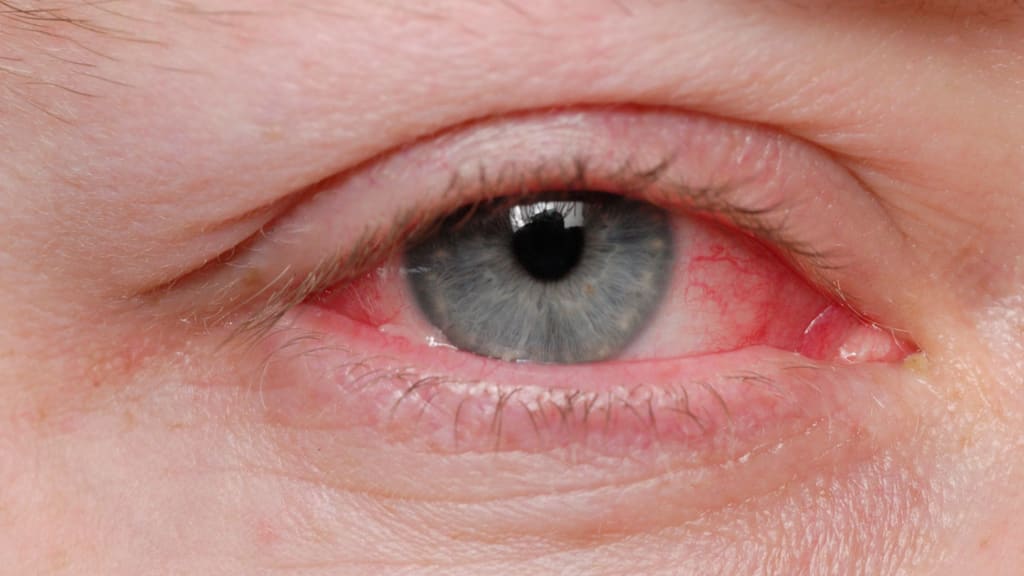
The type of pink eye will determine how long it takes to go away. Most people recover in 7 to 10 days, although some may require treatment. Third-party manufacturing of eye drops and other medications can ensure their quality and efficacy. If you are experiencing symptoms of pink eye, such as eye redness and itching, consult with a healthcare professional about the best course of treatment.
They may recommend third party manufactured medications, along with other measures such as avoiding contact with others and practicing good hygiene, to help speed up the healing process.
Antibiotics are used to treat bacterial conjunctivitis. The majority of patients require antibiotic therapy for 5-7 days. A doctor will guide when a patient can return to work or school, but patients shouldn't attend Trusted Source if they have symptoms and will be closely interacting with others.
For 10 to 14 days, pink eye brought on by a virus is typically very contagious.
Pink eye brought on by an allergy is not contagious and usually goes away once the allergen has been removed.
Types of Pink Eye
Pink eye can be bacterial, viral, or allergic, but other conditions can cause eye inflammation.
Allergic Pink Eye
The likelihood of developing allergic conjunctivitis, which occurs when the eye reacts to allergens like:
- grass
- animal dander
- dust
- mold
- pollen
- ragweed
Symptoms might also result from exposure to pollutants like chlorine.
Conjunctivitis caused by allergies cannot spread.
If a person can avoid the allergens that trigger the reaction, the symptoms of allergic conjunctivitis may subside more quickly. However, in some cases, treatment with medication such as Moxifloxacin and Dexamethasone Eye Drops may be necessary to manage the condition effectively. These eye drops can reduce inflammation and alleviate the symptoms of allergic conjunctivitides, such as itching and redness.
Viral Pink Eye
The viruses that cause pink eye include dependable Source
- Up to 90% of cases are due to adenovirus.
- Herpes simplex virus (HSV) accounts for 1.3 and 4.8% of cases.
- Acute hemorrhagic conjunctivitis is a less common but very contagious eye infection spread through hand-to-eye contact and possibly by touching infected surfaces.
- Between 1% and 6 % of Trusted sources of COVID-19 patients have pink eyes. By contact with eye tissues and discharge, the virus may spread.
Infected pink eye can:
- Originates in an infection that travels from the nose to the eyes.
- From one eye to the next.
- Transmit through droplets from a sneeze or cough.
- Due to an upper respiratory illness or a cold
- Depending on the cause, include additional signs and symptoms, including temperature and bodily aches.
For 10–14 days viral pink eye is highly contagious and can last for 14–30 days before going away.
Bacterial Pink Eye
A mild bacterial pink eye infection typically lasts a week to ten days without treatment.
After taking antibiotics for three to four days, it should start to get better with treatment. If antibiotics are not taken completely, the infection may return.
Pink eye is more likely to be viral than bacterial if it does not resolve promptly after using antibiotic drops.
Read More: Uncovering the Secrets of Your Eyes: How Eye Health Can Reveal Clues to Your Overall Well-Being
Uveitis and Other Causes
An autoimmune disorder or another ailment might occasionally bring symptoms resembling conjunctivitis.
Examples of this:
- Lupus, rheumatoid arthritis, and other diseases can cause uveitis.
- Infection in the eye
- A fistula brought on by a circulation issue
Inflammation can occasionally happen for no obvious reason.
Some kinds of pink eye are not spread via contact. Nonetheless, they must be treated by a doctor because they could cause problems.
While some types of pink eye are not contagious, they still require prompt medical attention to avoid potential complications. A reputable pharma company in Surat can provide effective and safe treatments with doctor prescriptions for various eye conditions, including pink eye.
How Is Pink Eye Spread?
Pink eyes can transfer from one person to another by germs or viruses.
- Sharing personal care products or other things
- Or other intimate personal interactions such as shaking hands
- Employing bacteria-filled, dirty, or outdated makeup
- Using filthy hands to contact the eye
- Wearing contact lenses in areas with infections
- Contacting objects contaminated with germs or viruses and then touching the eyes
- Sneeze and coughing
- Touching the other eye after touching the infected one
Pink eye may also indicate a deeper, potentially contagious viral or bacterial illness, such as COVID-19, gonococcal infections, or chlamydial infections.
Pink Eye Has Seven Infectious Symptoms.
The illness is probably infectious if either bacterial or viral pink eye symptoms are present.
There are seven indicators of conjunctivitis:
- Either ocular discharge or watery eyes
- Eyelashes and lids with crust
- Inflammation near the eyes
- Scorching feeling
- Tearing up
- The whites of the eyes are either crimson or pink.
- Itchiness or gritty feeling in the eyes
A person might be asked not to return to daycare, school, or a place of employment until their symptoms have subsided.
Takeaway
Pink eye, although common and uncomfortable, is not usually a serious problem. However, it is highly contagious and can easily spread from person to person. If you have symptoms of pink eye, such as itching and redness in the eyes, it is important to avoid close contact with others to prevent the spread of infection. In some cases, treatment with medication may be necessary, and third party manufacturing of these medications can help ensure their quality and safety.
Once symptoms subside, most people may return to their jobs, schools, or child care. Pink eye frequently fades away on its own, although therapy can ease irritation, and medications may speed up the healing of a bacterial infection.
About the Creator
Pratik Shah
Pharmacist at Staple Pharma
Enjoyed the story? Support the Creator.
Subscribe for free to receive all their stories in your feed.
Comments
There are no comments for this story
Be the first to respond and start the conversation.