
How Is Invisalign Different from Other Clear Braces?
Invisalign vs Clear Braces
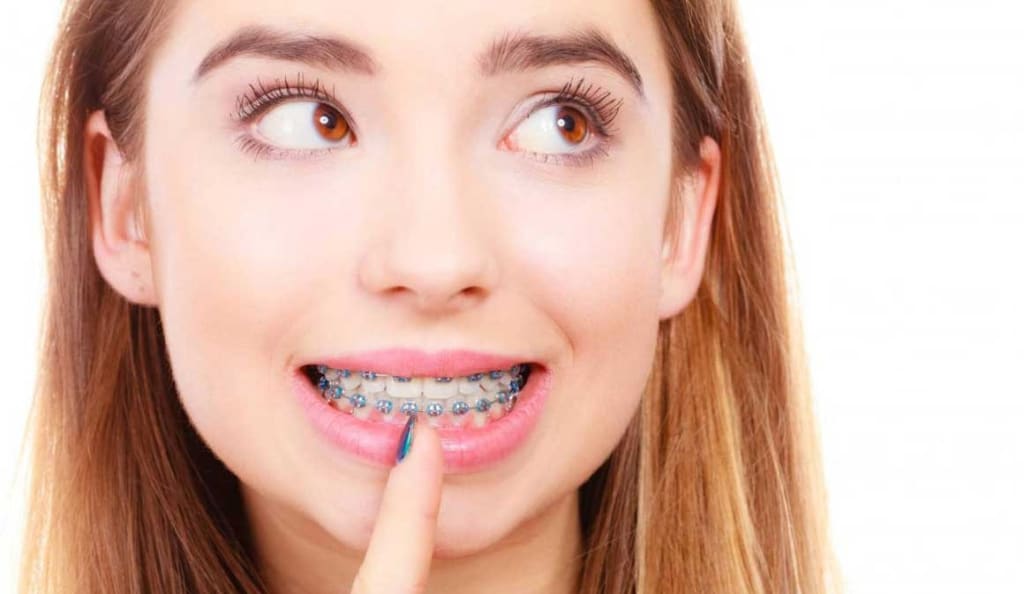
When it comes to straightening teeth discreetly, patients often compare Invisalign to other types of clear braces. While both aim to improve your smile without metal wires, they differ in design, comfort, treatment process, and cost. Understanding these differences can help you choose the best option for your dental needs.
Understanding Invisalign
What is Invisalign?
Invisalign is a modern orthodontic treatment that uses a series of custom-made, removable clear aligners to gradually move teeth into position. Each aligner is worn for about 1–2 weeks before switching to the next in the series.
How Invisalign Works
Digital scan & treatment plan created by your dentist.
Custom aligners made from smooth, BPA-free plastic.
Regular check-ups every 6–8 weeks to monitor progress.
Understanding Other Clear Braces
What Are Other Clear Braces?
Other clear braces usually refer to ceramic braces or self-ligating braces with clear brackets. These are fixed to your teeth like traditional braces but use transparent or tooth-coloured materials for a less noticeable look.
How They Work
Brackets are bonded to teeth.
A wire runs through brackets to apply pressure.
Adjustments are made every 4–6 weeks.
Key Differences Between Invisalign and Other Clear Braces
1. Appearance and Visibility
Invisalign: Nearly invisible, no wires or brackets.
Clear Braces: Less noticeable than metal braces but still visible up close.
2. Comfort and Irritation
Invisalign: Smooth edges, minimal gum irritation.
Clear Braces: May cause mild irritation to lips and cheeks.
3. Removability and Flexibility
Invisalign: Removable for eating, drinking, and brushing.
Clear Braces: Fixed to teeth until treatment ends.
4. Maintenance and Cleaning
Invisalign: Easy to clean aligners and teeth separately.
Clear Braces: Require special cleaning tools around brackets.
5. Treatment Speed
Invisalign: Often faster for mild to moderate cases.
Clear Braces: May be better for severe or complex cases.
6. Cost Differences
Invisalign may cost more than ceramic braces, depending on complexity.
Advantages of Invisalign Over Other Clear Braces
Discreet Appearance
Virtually invisible for social and professional comfort.
Lifestyle Convenience
Remove aligners for meals and special occasions.
Predictable Results
Advanced 3D treatment planning ensures accuracy.
Advantages of Other Clear Braces Over Invisalign
Suitable for Complex Cases
Better for severe misalignment or jaw issues.
No Compliance Issues
Fixed braces work continuously, so no risk of forgetting to wear them.
Choosing the Right Option for You
Factors to Consider
Severity of misalignment
Budget and treatment cost
Lifestyle and daily habits
Aesthetic preferences
Consulting Your Dentist
Your orthodontist can recommend the best choice based on your dental condition, expectations, and lifestyle.
Conclusion
Both Invisalign and other clear braces are effective for straightening teeth discreetly. Invisalign offers greater flexibility and comfort, while ceramic braces can handle more complex issues. The right choice depends on your specific needs, budget, and preference for convenience.
FAQs About Invisalign and Clear Braces
Is Invisalign faster than clear braces?
For mild to moderate cases, Invisalign may work faster. However, for severe misalignment, clear braces might be quicker and more effective.
Which is cheaper, Invisalign or ceramic braces?
Ceramic braces are usually slightly cheaper, but costs vary depending on treatment complexity and location.
Can I eat with Invisalign?
Yes, because Invisalign aligners are removable. You should take them out before eating or drinking anything except water.
Do clear braces stain?
Clear braces can stain if exposed to coffee, tea, or smoking, especially the elastic ties, which may need replacement during check-ups.
About the Creator
Enjoyed the story? Support the Creator.
Subscribe for free to receive all their stories in your feed.
Comments
There are no comments for this story
Be the first to respond and start the conversation.