
How Immune System Booster Vitamins Can Help You Fight Off Infections
immune system booster vitamins

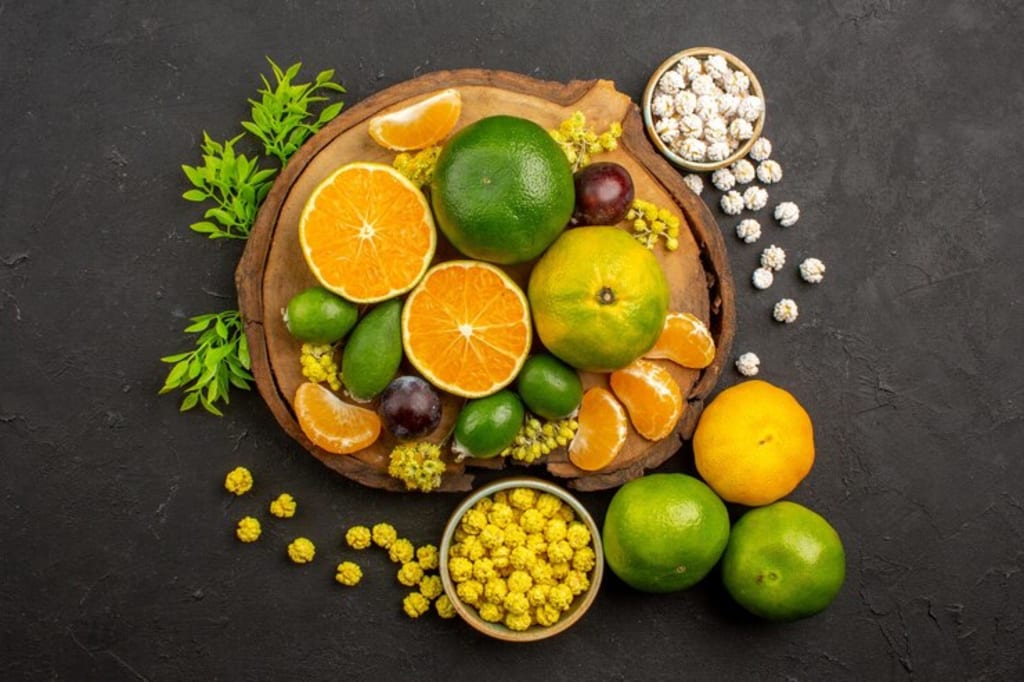
A robust immune system is vital for good health and infection prevention. It serves as your body's primary defense against harmful bacteria, viruses, and other pathogens that cause illness. While leading a healthy lifestyle with adequate sleep, exercise, and stress management is crucial, adding immune system booster vitamins to your diet can greatly improve immune function. This article discusses how these immune system booster vitamins help combat infections and highlights the most beneficial ones for immune health.
What Are Immune System Booster Vitamins?
Immune booster vitamins are essential nutrients that significantly support and strengthen your immune defenses. These vitamins activate immune cells, enhance the body's infection response, and decrease inflammation. While the immune system works continuously to keep you healthy, it requires adequate nutrients to operate effectively. Certain vitamins can improve immune responses, making it easier for your body to fend off infections and illnesses.
The Role of Immune System Booster Vitamins
Vitamins act as co-factors in various biochemical processes influencing immune cell production, pathogen detection, and inflammation control. By supporting these activities, immune booster vitamins play a critical role in preserving immune balance and fighting infections. Let’s examine the top vitamins that enhance your immune system and their functions.
1. Vitamin C: The Immune Powerhouse
Vitamin C, or ascorbic acid, is arguably the most recognized vitamin for immune support. It directly affects the immune system by boosting the production and effectiveness of white blood cells vital for fighting infections. Additionally, vitamin C serves as an antioxidant, shielding immune cells from damage by free radicals.
Regular consumption of vitamin C can shorten the duration and severity of common colds and respiratory infections. Moreover, it aids collagen production, crucial for maintaining skin and mucous membrane health—your first line of defense against pathogens. Sources of vitamin C include citrus fruits like oranges, lemons, and grapefruits, as well as strawberries, bell peppers, and broccoli.
2. Vitamin D: Boosting Immunity and Preventing Infections
Vitamin D is essential for immune regulation. It activates immune cells such as T-cells that are crucial for recognizing and responding to infections. A deficiency in vitamin D is linked to a higher risk of respiratory infections, including the flu and COVID-19.
Vitamin D boosts immunity by reducing inflammation, often a trigger for autoimmune diseases and chronic conditions. It enhances the body’s ability to identify harmful pathogens and respond effectively. Natural sources of vitamin D include sunlight, fatty fish like salmon and mackerel, and fortified foods like milk and cereals.
3. Vitamin E: A Strong Antioxidant for Immune Health
Vitamin E is a powerful antioxidant crucial for immune function support. It shields immune cells from oxidative stress, which can hinder their effectiveness. Furthermore, vitamin E boosts T-cell activity, essential for protecting against infections.
Research indicates that vitamin E can enhance immune responses, particularly in older adults whose immune systems may decline with age. Foods high in vitamin E include nuts (such as almonds), seeds, spinach, and avocados.
4. Vitamin A: Maintaining Healthy Mucous Membranes
Vitamin A is vital for preserving the integrity of mucous membranes lining the respiratory, digestive, and urinary tracts. These membranes form barriers that prevent harmful pathogens from entering the body. Vitamin A also regulates immune responses and encourages white blood cell production.
A deficiency in vitamin A can weaken immune defenses, increasing susceptibility to infections. It is particularly significant in protecting against respiratory infections and skin diseases. You can obtain vitamin A from foods like carrots, sweet potatoes, spinach, and egg yolks.
5. Vitamin B6: Crucial for Immune Cell Production
Vitamin B6, or pyridoxine, is vital for creating white blood cells and antibodies essential for the immune response. It also aids in hemoglobin synthesis, which carries oxygen in the blood. By enhancing white blood cell function, Vitamin B6 improves the body's infection-fighting ability.
Sources of Vitamin B6 include poultry, fish, bananas, potatoes, and chickpeas. Adequate intake is crucial for a robust immune system.
6. Vitamin K: Boosting Immune Function and Managing Inflammation
While vitamin K is known for blood clotting, it also regulates the immune system. It helps reduce inflammation and facilitates immune cell signaling, which is vital for effective immune responses. Studies indicate that Vitamin K enhances infection resistance and may provide protective benefits against autoimmune diseases.
Key sources of vitamin K are leafy greens like kale, spinach, and broccoli, along with fermented foods like natto and sauerkraut.
How to Add Immune-Boosting Vitamins to Your Diet
To enhance your immune system, incorporate a variety of nutrient-rich foods that offer essential vitamins. A balanced diet with fruits, vegetables, lean proteins, and healthy fats will help maintain strength.
Here are some tips to ensure adequate intake of immune-boosting vitamins:
Consume diverse colorful fruits and vegetables: These are rich in vitamins and antioxidants crucial for immune support.
Include fatty fish: Salmon, tuna, and mackerel provide excellent sources of vitamin D and omega-3 fatty acids.
Add nuts and seeds: Almonds, sunflower seeds, and chia seeds are high in vitamin E and other nutrients.
Consider supplements: If dietary intake is insufficient, speak to a healthcare professional about vitamin supplements.
Conclusion
Immune-boosting vitamins are vital for strong immune responses and infection resistance. Vitamins C, D, E, A, B6, and K each play important roles, from boosting white blood cell production to minimizing inflammation. By including these vitamins in your diet through nutrient-dense foods, you can enhance your body's ability to fight infections and maintain health. Remember to eat a balanced diet, manage stress, exercise regularly, and consult a healthcare provider if you need extra assistance. A healthy immune system relies on proper nutrition, and these immune-boosting vitamins are essential components.
About the Creator
Yorest - Immunity Booster
Welcome to Yorest! Our website offers an extensive range of immunity-boosting products designed to enhance your overall health and well-being.
Enjoyed the story? Support the Creator.
Subscribe for free to receive all their stories in your feed.
Comments
There are no comments for this story
Be the first to respond and start the conversation.