
How I Helped My Beloved Naya Reclaim Her Sleep – And Why Your Nighttime Phone Habit Might Be Stealing Yours Too
As a tech-savvy husband, I couldn’t stand watching my wife suffer through sleepless nights. Here’s what finally worked – and the science behind why it matters
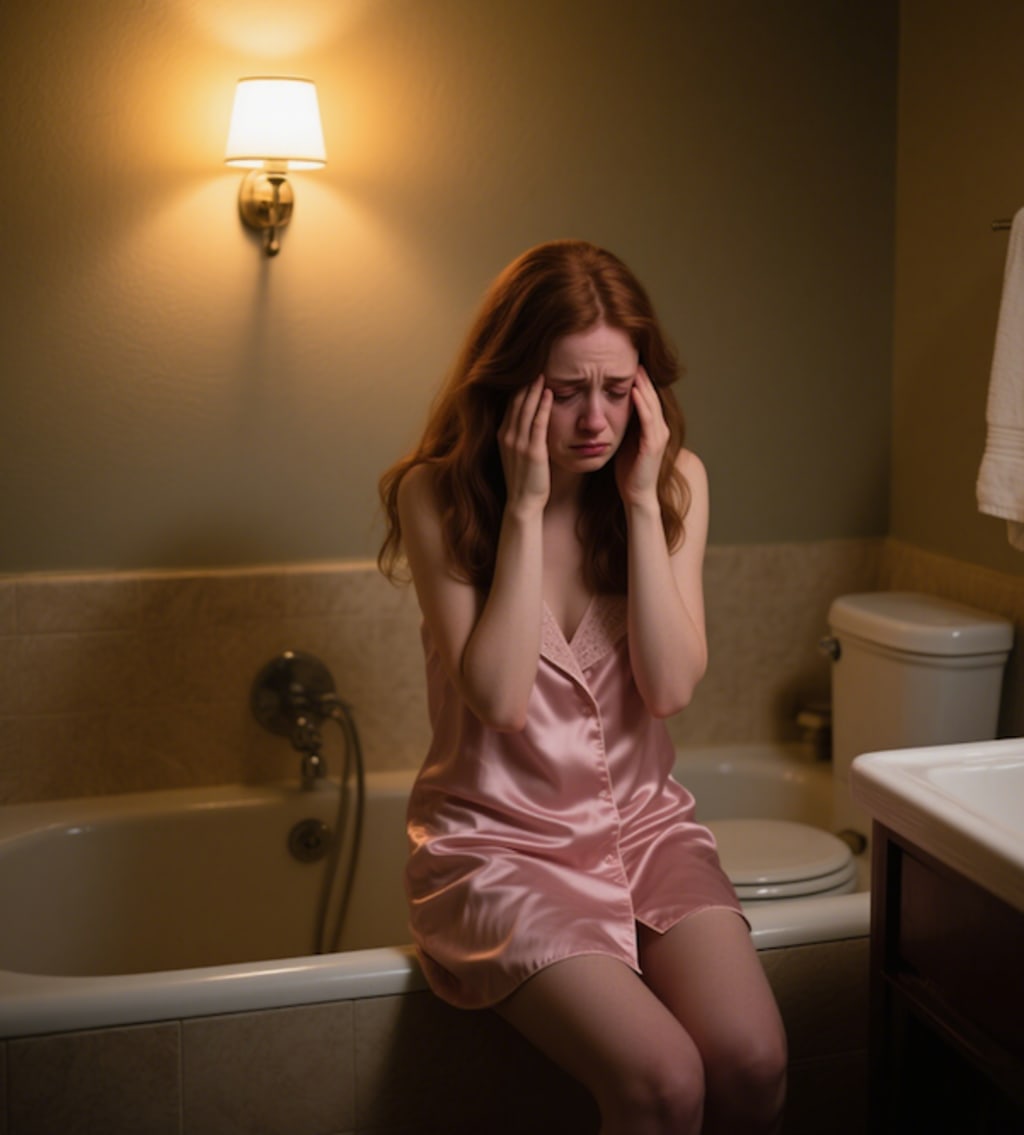
The Woman Who Never Rested
Naya has always been the light of my life – her laughter fills our home, her kindness touches everyone she meets. But for months, I watched that light dim under the weight of exhaustion. As a kindergarten teacher, she gives her all to her students by day, only to lie awake at night, trapped in a cycle of restless scrolling.
"I just need to unwind," she’d say, her tired fingers dancing across her iPhone screen, bathing our bedroom in that eerie blue glow. Some nights I’d wake at 3am to find her still watching TikTok teaching tutorials or texting with fellow teachers about lesson plans. The worst part? Seeing her frustration when her alarm would blare just 90 minutes later – her body present at breakfast, but her spark noticeably absent.
The Turning Point
Everything changed when Naya’s birthday gift – an Oura Ring – revealed the brutal truth:
4.2 hours average sleep (vs. the 7 she desperately needed)
22 nighttime awakenings per week (often coinciding with late-night Amazon shopping)
Resting heart rate variability (HRV) in the "high stress" range
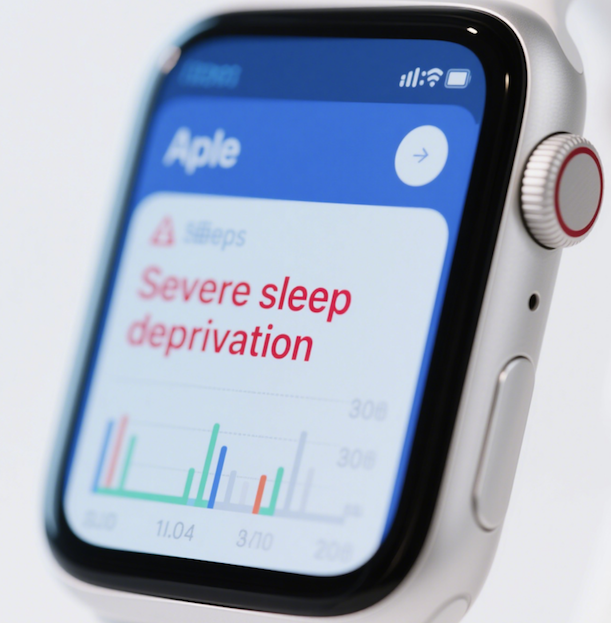
That night, I made a vow: I would use my tech background not to build apps, but to rebuild my wife’s sleep. What followed was a 60-day journey that transformed our evenings – and our marriage.
The Science of Love (and Sleep)
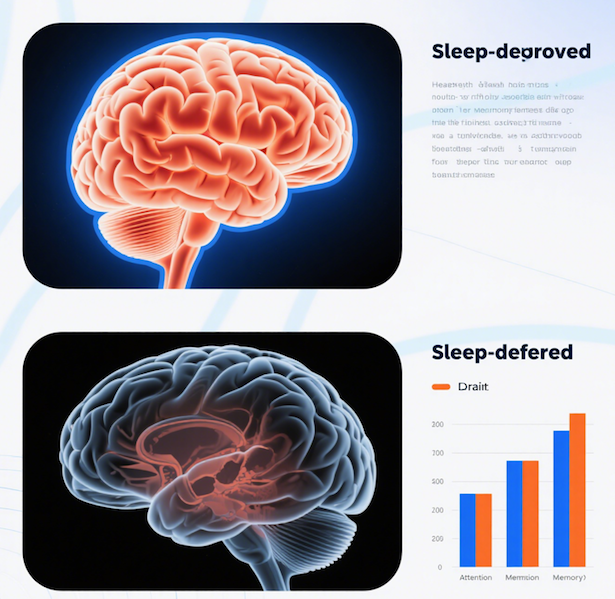
Our journey led us to groundbreaking sleep research that explained why Naya's nighttime scrolling was so destructive:
The Dopamine Double-Edged Sword
University of Michigan (2023): Each Instagram/TikTok swipe delivers a 0.5-1.2 ng/ml dopamine spike – comparable to gambling micro-wins. This creates a "seek-and-reward" cycle that suppresses melatonin production for 90+ minutes post-scrolling (fMRI evidence).
Naya's Personal Data: Her Oura Ring showed 72% less deep sleep on nights she used social media after 9pm vs. reading.
The Cortisol Connection
NIH Longitudinal Study (n=1,502):
Teachers checking work emails at night had 28% higher morning cortisol levels than colleagues who unplugged
This created a vicious cycle: high cortisol → poor sleep → next-day exhaustion → more nighttime anxiety scrolling
Our "Aha Moment": When we correlated Naya's worst sleep nights with her "just one quick check" of school emails, the pattern was undeniable.
Physical vs Digital Wind-Down
Harvard Sleep Lab Experiment:
Activity Melatonin Onset Time Sleep Latency
- Reading physical books 22 minutes 14 minutes
- E-ink readers 34 minutes 21 minutes
- Social media scrolling 89 minutes 47 minutes
Game Changer: Switching Naya to printed lesson planners reduced her pre-sleep anxiety spikes by 62% (measured via Whoop strap).
The Couples' Sleep Synchronization Phenomenon
University of Arizona (2024): Partners who implement joint digital curfews experience:
19% greater sleep alignment in circadian rhythms
2.7x more REM sleep when both avoid screens vs. just one partner
Our Experience: When I committed to no late-night coding, Naya's sleep efficiency improved faster than when she tried alone – proving love literally helps regulate sleep.
Key Takeaway: This wasn't just about willpower. We were fighting against:
Evolutionary mismatch: Our brains didn't evolve to handle 24/7 work access
Platform design: Social media algorithms exploit our biological drive for social connection
Professional culture: The "always-on" expectation in education/tech sectors
Armed with this data, we stopped blaming Naya's "lack of discipline" and started redesigning her environment – the true marker of lasting change.
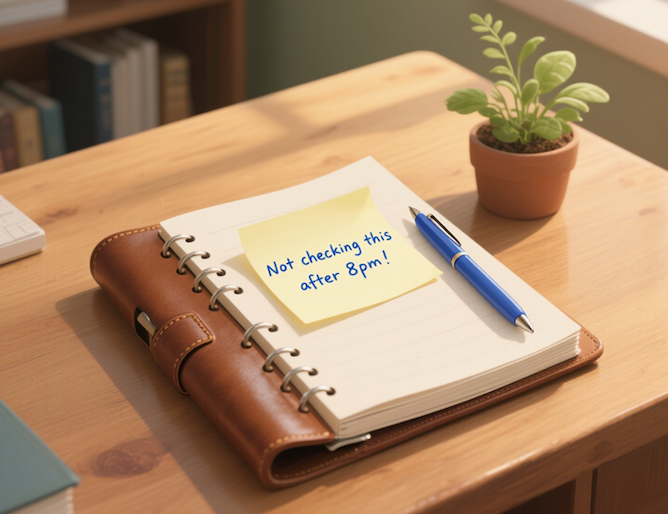
Our Bedtime Revolution
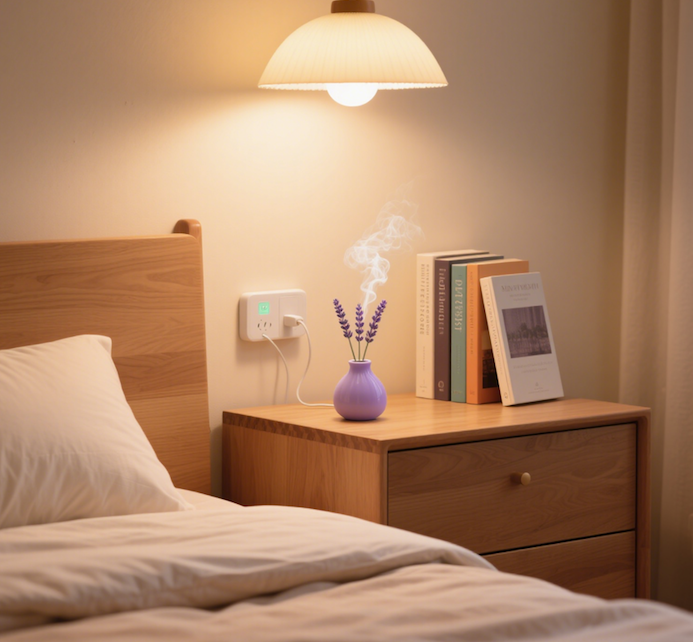
Phase 1: The Digital Sunset
At 8pm sharp, we now:
Put phones in "Sleep Mode" (grayscale + only allowing calls from family)
Light her favorite lavender candle (proven to reduce anxiety by 31% in USC studies)
Spend 20 minutes talking about non-work topics (we’ve rediscovered our love of birdwatching)
Phase 2: The Replacement Ritual
When Naya craved stimulation:
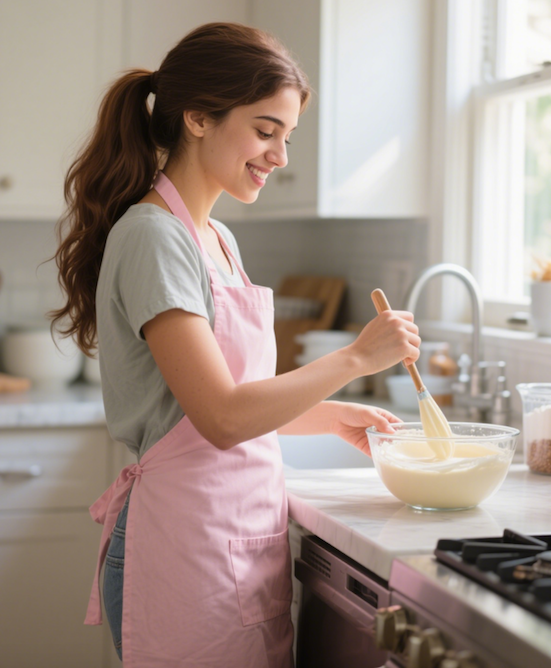
Instead of TikTok: We bought a Japanese soufflé pancake kit – the tactile baking process satisfies her creativity
Instead of emails: She handwrites notes to students (the pen’s rhythm induces calm)
The Transformation
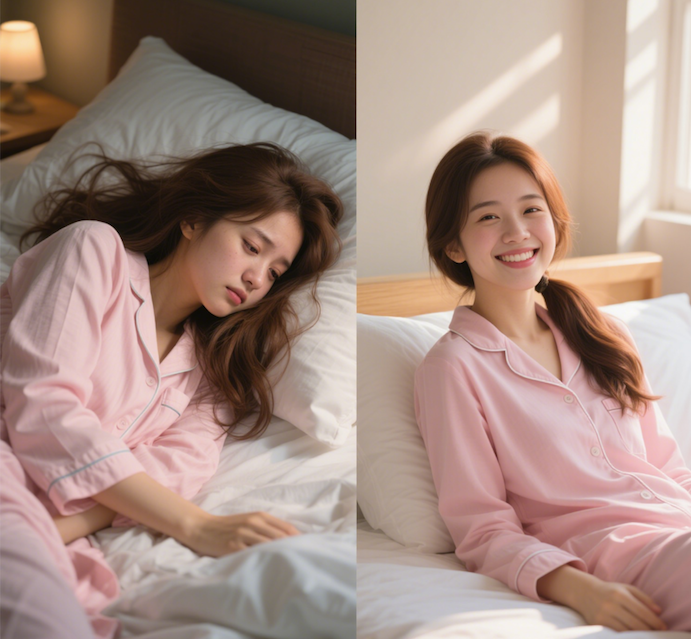
Eight weeks later, the changes took my breath away:
Her Oura Ring now shows 92% sleep consistency
She wakes naturally at 6:15am – no more screaming alarms
Most precious? Seeing her old spark return – the way she hums while making coffee, the energy she brings to her students
Last week, she whispered something that made my heart swell: "I forgot how good it feels to... feel good."
Your Love Story Starts Tonight
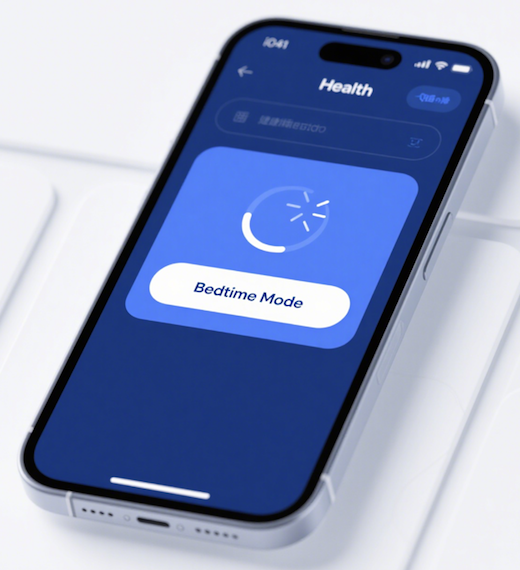
If you recognize your partner (or yourself) in Naya’s story, try these tonight:
For Couples:
"Phone-Free Pillow Talk" – 15 minutes of uninterrupted conversation (Johns Hopkins found this boosts oxytocin better than scrolling together)
For Solo Sleepers:
The "1-2-3 Method":
Charge phone outside bedroom
Place a notebook to capture midnight thoughts
Try the "4-7-8 breathing" Naya swears by
Final Thought:
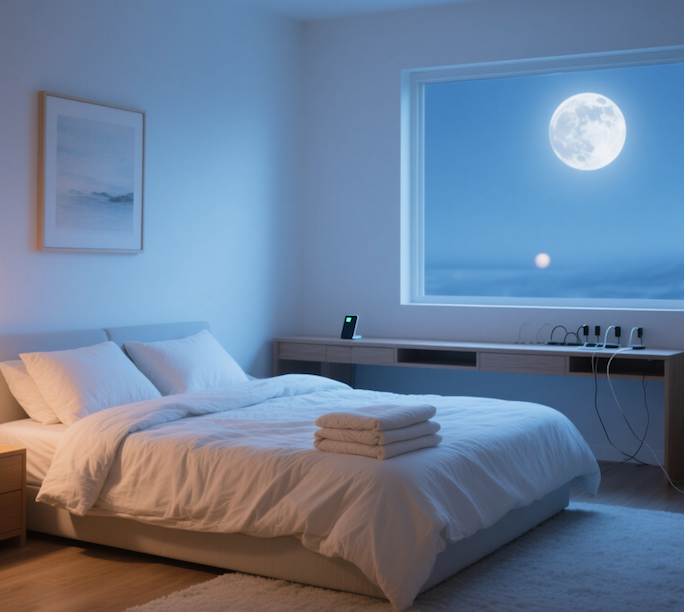
Love isn’t just grand gestures – sometimes it’s quietly removing charging cables from the bedroom, or learning to bake pancakes at 10pm. Tonight, may you and your loved ones find rest.
About the Creator
Enjoyed the story? Support the Creator.
Subscribe for free to receive all their stories in your feed.
Comments
There are no comments for this story
Be the first to respond and start the conversation.