
How Health Literacy Creates Better Patient Outcomes
Understanding healthcare information is one of the most powerful tools for improving lives

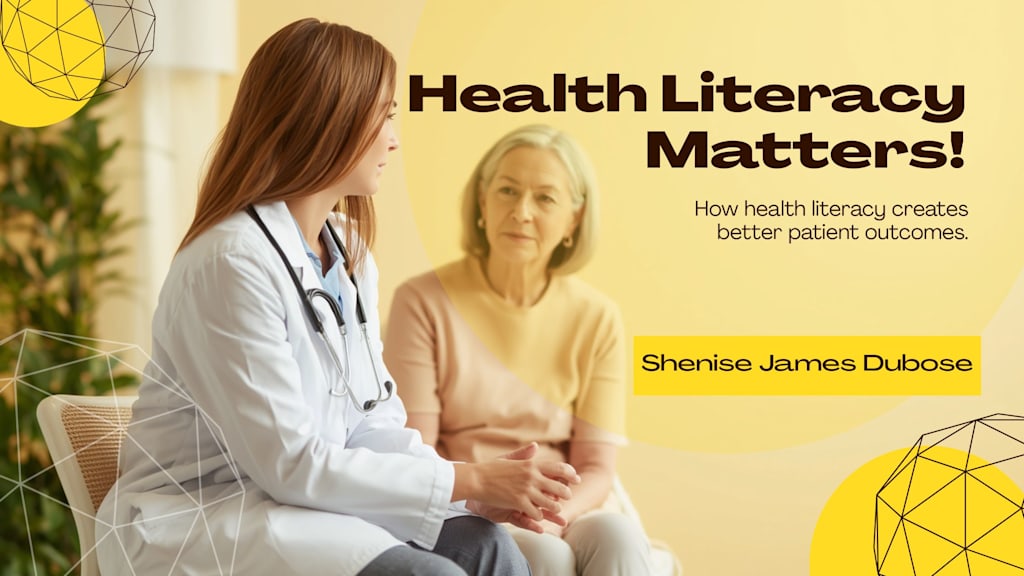
Healthcare is most effective when patients understand the information they receive and feel confident making decisions about their well-being. While medical advancements continue to transform diagnosis and treatment, one of the most influential factors in achieving positive health outcomes is something much simpler: health literacy. The ability to understand health information, ask informed questions, and actively participate in care empowers individuals to make better decisions throughout every stage of life.
The educational philosophy reflected in the work of Shenise James Dubose highlights the importance of health literacy as a cornerstone of quality healthcare. Through a focus on clinical education, evidence-based practice, and patient education, this approach demonstrates that knowledge is not merely informative—it is transformative. When healthcare professionals prioritize education alongside treatment, patients become partners in their own care rather than passive recipients of medical services.
Health literacy refers to an individual's ability to obtain, understand, evaluate, and use health information to make informed healthcare decisions. It includes reading medication instructions, understanding discharge plans, recognizing symptoms that require medical attention, interpreting laboratory results, and knowing when to seek professional care. Although these tasks may seem straightforward, many individuals encounter challenges when navigating complex medical information.
Medical terminology can often feel unfamiliar and intimidating. Patients may leave appointments with unanswered questions simply because they are unsure what to ask or feel overwhelmed by the amount of information they receive. In these situations, even the best treatment plans may become less effective if patients do not fully understand how to follow them. This is why clear communication has become one of the most valuable skills in modern healthcare.
Healthcare professionals play a critical role in improving health literacy. Nurses, physicians, pharmacists, and educators frequently serve as translators between complex medical science and everyday understanding. Their ability to explain conditions, treatments, medications, and preventive strategies in clear, accessible language helps patients feel more confident and engaged in their care.
Patient education is far more than distributing informational brochures or providing discharge paperwork. Effective education involves meaningful conversations, active listening, and ensuring that patients truly understand the information presented. Healthcare professionals often encourage patients to repeat instructions in their own words, ask questions, and discuss any concerns before leaving a healthcare setting. These simple communication techniques help reinforce understanding and reduce misunderstandings.
Evidence-based practice further strengthens patient education. Modern healthcare increasingly relies on scientific research combined with professional expertise and patient preferences when making clinical decisions. By sharing evidence-based information in ways patients can understand, healthcare providers help individuals make informed decisions based on reliable knowledge rather than misinformation or confusion.
Health literacy becomes particularly important for individuals managing chronic conditions such as diabetes, hypertension, heart disease, or respiratory illnesses. Successful management often depends on daily decisions involving medications, nutrition, physical activity, symptom monitoring, and follow-up appointments. Patients who understand these responsibilities are generally better prepared to manage their conditions effectively while reducing the likelihood of complications.
Preventive healthcare also depends heavily on education. Individuals who understand the value of routine screenings, vaccinations, healthy nutrition, physical activity, and early medical intervention are often more proactive about maintaining their health. Prevention not only improves quality of life but can also reduce healthcare costs by identifying concerns before they become more serious.
Families benefit from health literacy as well. Caregivers frequently assist loved ones with medications, appointments, rehabilitation, and long-term care planning. When family members understand medical information clearly, they are better equipped to provide support while communicating effectively with healthcare teams. This collaborative approach strengthens patient care and promotes better long-term outcomes.
The digital age has made health information more accessible than ever before. Patients can search symptoms online, read medical articles, participate in health forums, and access educational resources with just a few clicks. While increased access offers many advantages, it also presents new challenges. Not all online information is accurate, current, or evidence-based. Developing health literacy includes learning how to identify trustworthy sources and distinguish reliable medical guidance from misinformation.
Clinical education plays a significant role in preparing healthcare professionals to address these challenges. Future nurses and clinicians are increasingly trained not only in medical science but also in communication, cultural competence, ethical practice, and patient education. These skills allow healthcare providers to meet patients where they are, adapting explanations to different educational backgrounds, cultures, languages, and learning preferences.
Health literacy also contributes to stronger relationships between patients and healthcare professionals. Trust develops when patients feel respected, heard, and included in healthcare decisions. Instead of feeling intimidated by medical discussions, informed patients become active participants who collaborate with providers to establish treatment goals and evaluate progress together. This partnership improves satisfaction while encouraging greater adherence to treatment recommendations.
Leadership within healthcare organizations increasingly recognizes health literacy as an essential quality improvement strategy. Hospitals, clinics, and educational institutions are investing in patient-friendly communication materials, staff training, and community outreach programs that improve understanding across diverse populations. These initiatives support safer care while helping reduce avoidable hospital readmissions and medication errors.
The principles emphasized through clinical education remind us that every patient interaction presents an opportunity to educate. Whether explaining a new prescription, reviewing laboratory results, discussing lifestyle modifications, or preparing someone for surgery, healthcare professionals have countless opportunities to empower individuals through knowledge. These conversations often become just as valuable as the treatments themselves.
One of the greatest strengths of health literacy is that its benefits continue long after a patient leaves a healthcare facility. Individuals who understand how to manage their health carry that knowledge into their daily lives. They become more confident in recognizing symptoms, communicating concerns, following treatment plans, and making informed lifestyle choices. This lasting confidence contributes to healthier families and stronger communities.
Ultimately, improving health literacy is about creating a healthcare system where knowledge is shared openly, communication is clear, and every patient feels empowered to participate in their own care. Education transforms uncertainty into confidence and confusion into understanding. It helps people navigate difficult situations with greater clarity while strengthening partnerships between patients and healthcare professionals.
As healthcare continues to evolve, health literacy will remain one of the most valuable investments in better patient outcomes. By combining evidence-based education, compassionate communication, and lifelong learning, healthcare professionals help individuals make informed decisions that improve both immediate and long-term well-being. Knowledge truly becomes one of the most powerful forms of care, demonstrating that informed patients are often healthier, safer, and more confident throughout their healthcare journey.
About the Creator
ORM_Specialist
Hi, I'm Rohit — with 9+ years in ORM, SEO and Google Ads, I help brands build trust, grow influence, and dominate the digital world.
Enjoyed the story? Support the Creator.
Subscribe for free to receive all their stories in your feed.
Comments