
How Hair Loss Compounding Treatments Can Support Hair Regrowth
Before we can even begin to discuss treating hair loss, we must acknowledge that it is not a one-size-fits-all issue. Hair loss can mean thinning around the crown, receding temples, or more diffuse shedding, and the reasons behind it can be varying and complex. Hormones play a major role, especially dihydrotestosterone (DHT), which is notorious for shrinking hair follicles in conditions like androgenetic alopecia. But hair issues can rarely be reduced to just DHT. Blood flow, inflammation, underlying scalp conditions, and even how the body metabolises certain treatments can all be part of the bigger picture.

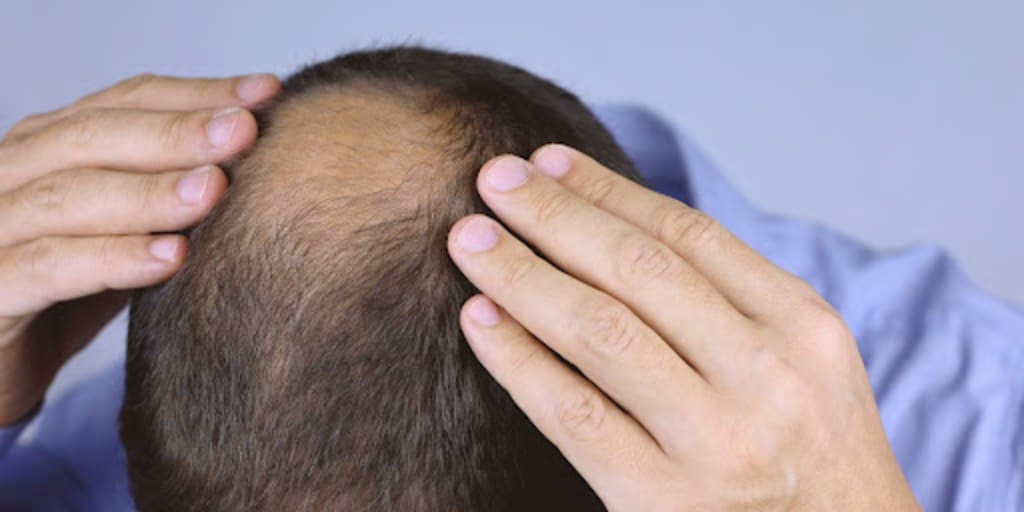
With so many different contributing factors, it’s not uncommon for effective treatment to require a more personalised approach. Hair loss compounding is exactly that; a customisation process that tailors a treatment to your needs. We’ll look at some of the ways in which customisation can potentially lead to better hair regrowth.
The Key Active Ingredients for Hair Regrowth
Two of the most widely used ingredients in hair loss treatment are minoxidil and finasteride. However, they each work quite differently and have a distinct role:
- Minoxidil improves blood flow to the scalp, which helps nourish follicles and extend the growth phase of hair. It’s primarily used topically, at least in regards to commercially available products.
- Finasteride, on the other hand, works systemically. It reduces the conversion of testosterone to DHT, helping to slow follicle miniaturisation and preserve existing hair.
These ingredients are effective on their own, but they can also be combined in a way that’s tailored for your unique requirements. In addition to this, the customisation process of compounding allows pharmacists to personalise strengths, delivery methods, and complementary ingredients for each patient.

How Compounded Formulations Create a More Targeted Solution
If standard treatments aren’t getting the job done, then the flexibility and precision of compounding might be the missing key. Pharmacists can create formulations that combine multiple activities, target multiple mechanisms, and adjust the strength and format in a way that could improve outcomes.
A classic example of compounding would be to combine minoxidil and finasteride into a singular treatment. Minoxidil supports growth, while finasteride reduces hormonal interference. Together, they tackle two major angles of hair loss, providing a more holistic treatment than either ingredient used individually.
But really, that’s just the beginning. Depending on your patient profile, other ingredients may be added to enhance absorption, soothe the scalp, or provide additional benefits.
For example:
- Retinoic acid helps exfoliate the scalp and improve the penetration of minoxidil.
- Caffeine is being investigated for its ability to thicken hair and reduce dryness.
- Fluocinolone can reduce inflammation for patients dealing with scalp conditions like eczema or seborrheic dermatitis.
Obviously, the main goal is to boost hair regrowth, but compounded treatments also place value on comfort and practicality. A treatment plan that is easy to follow consistently has a greater chance of long-term success.
Why Delivery Method and Strength Matter More Than You Think
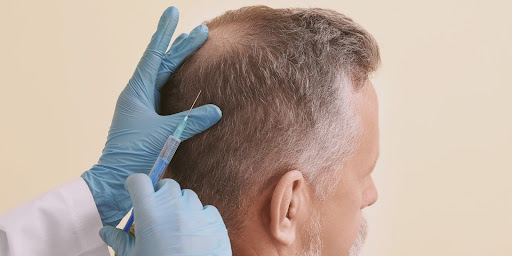
One of the major advantages of hair loss compounding is being able to select the right form and dosage for the individual. But you may be wondering why these aspects of treatment matter so much in the first place. In short, everyone’s body is different, as well as their preferences. To maximise potential health outcomes, you want a treatment plan that accounts for these differences as much as possible. This means making sure a medication is properly absorbed and tolerated by the body, and making sure it aligns with the person’s preferences and lifestyle. At the end of the day, a properly calibrated formulation that someone can take consistently with few side effects has the best chance of finding success.
For example, some people experience irritation from liquid minoxidil due to the inclusion of propylene glycol. A compounded foam or propylene glycol-free version can make treatment more tolerable. In turn, the patient will have a much easier time sticking with the plan.
There’s also growing interest in oral minoxidil, especially for patients who don’t respond well to topical formulations. Again, the reasons why this is the case can differ depending on the person. Some people lack the enzyme required to activate topical minoxidil at the follicle, making oral delivery more effective. But others simply prefer it due to fewer surface-level side effects like dryness or poor hair texture.
Compounding also makes it possible to fine-tune medication strength. If someone needs a higher-dose formulation due to severe shedding, or a gentler mix due to sensitivities, adjusting the potency is often crucial for both safety and results.
The same applies to finasteride. Oral finasteride remains widely used by many patients, but some people struggle with systemic side effects. A compounded topical finasteride offers an alternative, delivering the drug directly to the scalp and avoiding some of the side effects that can arise from ingesting the medication.
Supporting Patients with Sensitive Scalps and Unique Needs
Not all patients tolerate standard hair loss medications well. Itching, flaking, or dryness are some common side effects that really can’t be ignored. Some have underlying scalp conditions that worsen with common commercial ingredients. These concerns may just sound like mere inconveniences, but they can completely derail treatment if left unaddressed.
Naturally, compounding provides an opportunity to solve these issues at their source. That might mean removing irritants like propylene glycol or adding anti-inflammatory ingredients like fluocinolone. Other times, it means switching to oral forms when topical versions fail to produce results, or vice versa. It can mean carefully balancing hormonal treatments to avoid side effects.
When medication works with the body rather than against it, it’s easier to tolerate, easier to maintain, and far more likely to succeed. In many cases, customisation can be the difference between failure and long-term hair regrowth.
Rethinking Effective Hair Loss Treatment
Hair loss is a complex and frustrating issue. And when generic products don’t deliver, it might feel like you’re completely out of options. However, with compounding, you may have more options than you realise.
A compounding pharmacist can consider the many causes of hair loss (hormonal imbalances, inflammation, blood flow issues, sensitivities, and more…) to build treatment plans that are comprehensive, responsive, and realistic. Patients get access to targeted solutions that are formulated with their unique challenges in mind.
Hair loss might be common, but everyone’s experience is different. Treatment shouldn’t be generic, especially if commercial products are not working or continually causing side effects. A personalised approach may make all the difference, not just in terms of hair regrowth but the confidence that comes with it.
About the Creator
Zenith Pharmacy
Zenith Pharmacy is a trusted online Australian pharmacy offering prescription meds, vitamins, wellness products, expert compounding services & discreet delivery with personalised care across Australia.
Enjoyed the story? Support the Creator.
Subscribe for free to receive all their stories in your feed.
Comments
There are no comments for this story
Be the first to respond and start the conversation.