
How Gravity Casting Machines Are Shaping the Future of Modern Metal Manufacturing
Metal Production
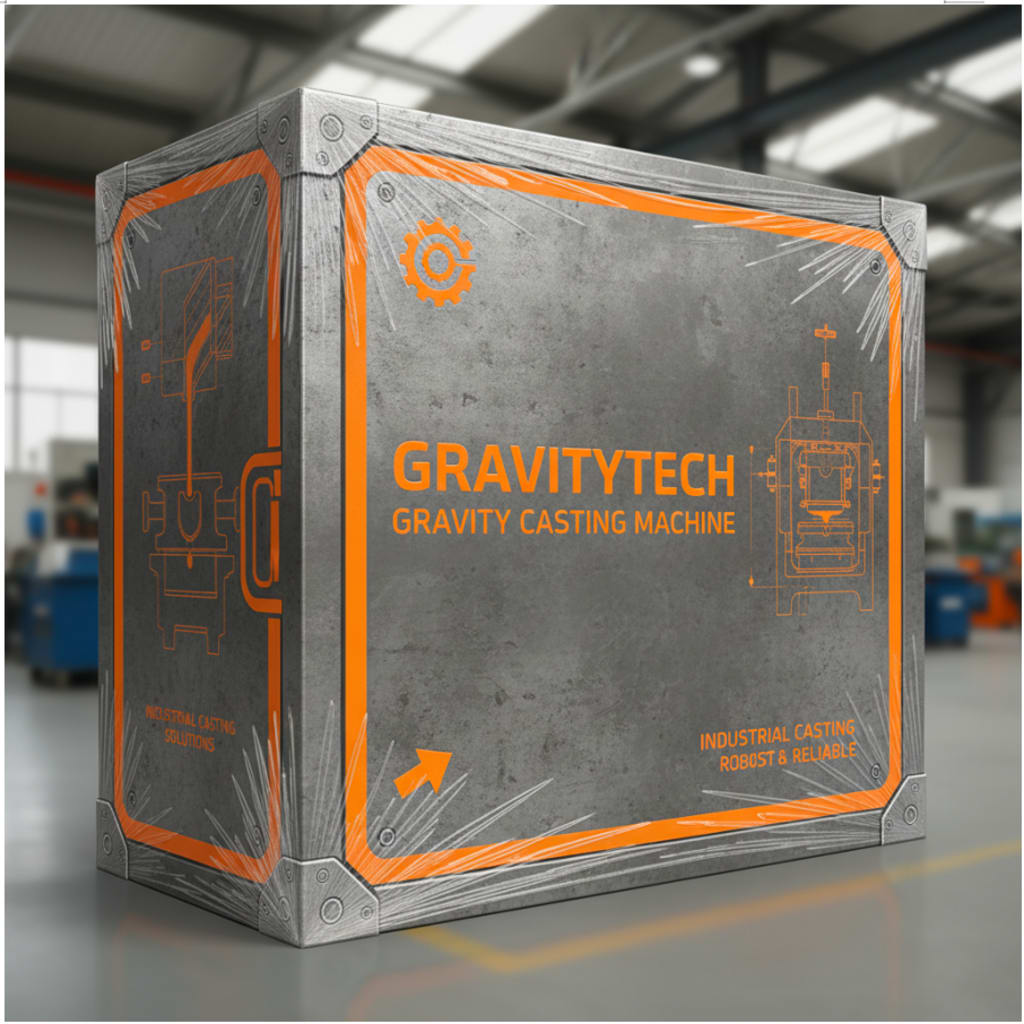
The global manufacturing industry continues to evolve through automation, precision engineering, and advanced production methods. Among the technologies gaining increased attention is the gravity casting machine. This equipment remains a trusted solution for producing high-quality metal components across multiple industries.
Recent developments in industrial production have highlighted the growing demand for reliable casting processes. Manufacturers seek methods that balance cost efficiency, product consistency, and operational flexibility. Gravity casting technology continues to meet these expectations while adapting to modern production requirements.
Rising Interest in Gravity Casting Technology
The manufacturing sector faces ongoing pressure to improve product quality while controlling production expenses. As a result, many companies are evaluating casting systems that deliver dependable results without excessive complexity.
Gravity casting uses the natural force of gravity to fill molds with molten metal. Unlike high-pressure techniques, the process allows metal to flow steadily into the mold cavity. This controlled filling reduces turbulence and helps create components with fewer defects.
Industry experts report increased adoption of gravity casting equipment in automotive, aerospace, marine, and machinery manufacturing. These sectors value precision, durability, and repeatable production outcomes.
Understanding How Gravity Casting Machines Work
A gravity casting machine operates through a straightforward yet effective process. Molten metal is poured into a permanent mold positioned within the equipment. Gravity then guides the metal into every section of the mold.
Once the mold is filled, the metal cools and solidifies. The finished component is then removed and prepared for additional processing if required.
This method is commonly used with aluminum alloys, copper alloys, magnesium alloys, and certain zinc materials. The process supports the production of complex shapes while maintaining dimensional accuracy.
Modern systems often include automated controls. These features improve consistency and reduce operator involvement during production cycles.
Why Manufacturers Continue Choosing Gravity Casting
Many manufacturing facilities favor gravity casting because it offers several operational advantages. These benefits contribute to long-term efficiency and improved product quality.
Excellent Surface Finish
Products created through gravity casting often exhibit smooth surfaces. This reduces the need for extensive finishing operations.
A better surface appearance also supports industries where aesthetics and precision are important factors.
Strong Mechanical Properties
Controlled mold filling helps create dense metal structures. Components often demonstrate excellent strength and durability.
This characteristic makes the process suitable for demanding industrial applications.
Reduced Material Waste
Efficient mold filling contributes to better material utilization. Manufacturers can minimize scrap rates and improve overall productivity.
Lower waste levels also support sustainability goals within modern production environments.
Consistent Product Quality
Permanent molds help maintain uniform dimensions across production runs. Consistency remains essential for industries requiring strict quality standards.
Reliable production outcomes can reduce inspection costs and improve customer satisfaction.
Key Industries Benefiting from Gravity Casting
Several sectors rely heavily on gravity casting equipment for component manufacturing.
Automotive Manufacturing
Vehicle producers use gravity casting for engine parts, transmission housings, brake components, and structural elements.
The process delivers the precision needed for modern transportation systems.
Aerospace Engineering
Aircraft manufacturers require lightweight and durable components. Gravity casting supports these goals by producing high-quality metal parts with reliable performance characteristics.
Industrial Machinery
Heavy equipment producers depend on strong metal components. Gravity casting provides a practical solution for creating complex industrial parts.
Marine Applications
Marine environments demand corrosion-resistant materials and dependable performance. Gravity-cast components are commonly used in marine engines and support systems.
Recent Trends Influencing the Market
Several trends are shaping the future of gravity casting technology.
Automation remains one of the most significant developments. Manufacturers increasingly integrate robotic systems with casting equipment. Automated operations improve efficiency while reducing production variability.
Digital monitoring systems also continue gaining popularity. These technologies collect performance data and support predictive maintenance programs.
Environmental responsibility has become another important factor. Companies seek manufacturing methods that reduce waste and energy consumption. Gravity casting aligns well with these objectives due to its efficient use of materials.
The demand for lightweight metal components is also expanding. Electric vehicles and energy-efficient equipment require strong yet lightweight parts. Gravity casting helps manufacturers meet these evolving requirements.
Comparing Gravity Casting with Other Casting Methods
Manufacturers often evaluate several casting techniques before selecting the most suitable process.
Pressure die casting offers rapid production speeds. However, equipment costs can be significantly higher.
Sand casting provides flexibility for large components. Yet it may require more finishing work due to surface characteristics.
Gravity casting occupies a valuable middle position. It balances quality, tooling durability, and production efficiency. This combination makes it attractive for medium and high-volume manufacturing operations.
The method also supports the production of intricate shapes without excessive complexity.
Factors to Consider When Selecting Equipment
Companies planning to invest in casting technology should evaluate several important factors.
Production volume remains a key consideration. Different machine sizes accommodate varying manufacturing requirements.
Material compatibility should also be reviewed carefully. Equipment must support the specific alloys used in production.
Automation capabilities can influence operational efficiency. Modern systems often include programmable controls and monitoring features.
Maintenance requirements deserve attention as well. Reliable equipment helps reduce downtime and supports long-term productivity.
Manufacturers should also consider future expansion plans. Scalable solutions provide greater flexibility as production demands increase.
The Role of Innovation in Future Growth
Technology continues transforming the casting industry. Equipment manufacturers invest heavily in research and development initiatives.
Advanced mold designs improve metal flow characteristics. Enhanced cooling systems support better cycle times and product quality.
Artificial intelligence is beginning to influence production monitoring. Data-driven insights help manufacturers optimize performance and reduce operational risks.
Smart factory integration represents another emerging opportunity. Connected equipment enables real-time communication across manufacturing environments.
These innovations position gravity casting technology for continued growth in the coming years.
Looking Ahead
Global manufacturing continues embracing solutions that deliver quality, efficiency, and reliability. Gravity casting remains an important production method because it meets these essential requirements.
As industries pursue higher standards and greater sustainability, casting technology will continue evolving. New automation systems, digital tools, and material innovations will further strengthen its role in modern manufacturing.
For companies seeking dependable metal production solutions, gravity casting machines offer a proven combination of precision, durability, and operational value. Their continued adoption across diverse industries highlights their lasting importance in the future of manufacturing.
About the Creator
Emily Carter
Emily Carter is a freelance writer focused on SEO, digital marketing, content publishing, and online business trends. Her articles provide insights into search optimization, content strategy, and the evolving world of digital media.
Enjoyed the story? Support the Creator.
Subscribe for free to receive all their stories in your feed.
Comments
There are no comments for this story
Be the first to respond and start the conversation.