
How Classical Yoga Enhances Flexibility and Strength | Improve Your Fitness Naturally
Discover how classical yoga improves flexibility and builds strength through mindful movements and poses.

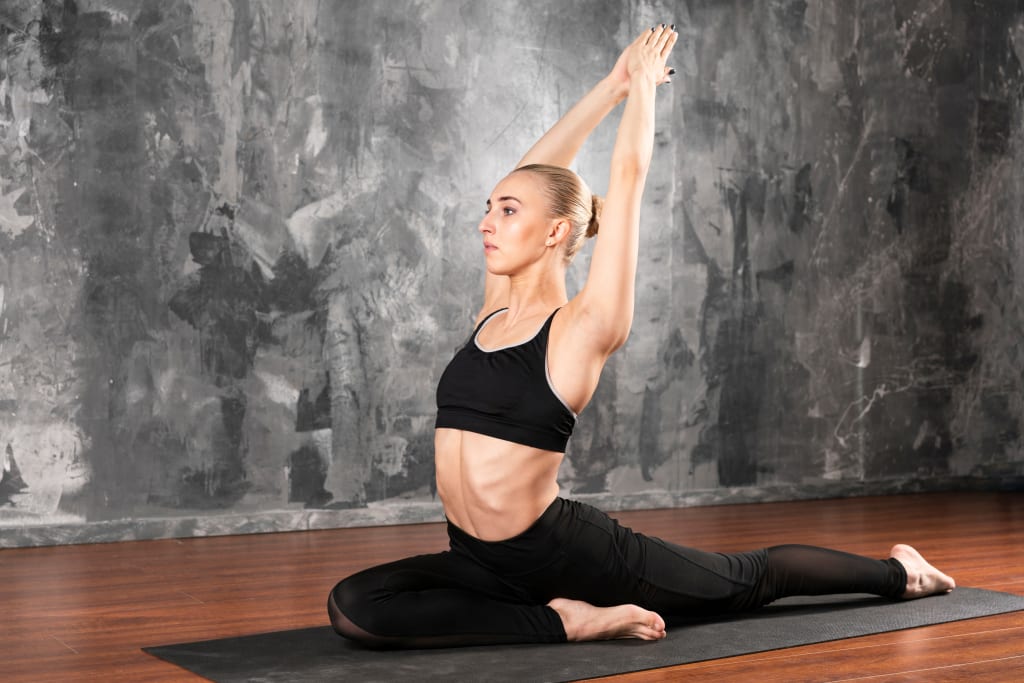
Classical yoga is a time-honored practice rooted in ancient Indian traditions. It encompasses physical postures, breathing techniques, meditation, and a deep understanding of the mind-body connection. While many people associate yoga with relaxation and mindfulness, it is also a highly effective way to improve both flexibility and strength. In this article, we’ll explore how classical yoga can enhance your flexibility and build strength, helping you achieve a well-balanced and healthier body.
What Is Classical Yoga?
Before diving into how classical yoga improves flexibility and strength, let’s clarify what it is. Classical yoga refers to the traditional system of yoga that includes not just physical poses (asanas) but also practices like pranayama (breathing exercises) and meditation. It is focused on harmonizing the body, mind, and spirit, following ancient principles outlined in texts such as the "Yoga Sutras" by Patanjali.
Unlike some modern yoga styles that focus primarily on fitness, classical yoga maintains a holistic approach, helping you develop not only physical strength but also mental clarity, emotional balance, and spiritual growth.
How Does Classical Yoga Improve Flexibility?
1. Gradual Stretching of Muscles
Classical yoga involves a series of poses that gradually stretch your muscles. Many poses, such as forward bends, twists, and backbends, gently extend the muscles and connective tissues, making them more elastic over time. Unlike high-intensity workouts that may strain or overstretch muscles, yoga focuses on slow, mindful movements, allowing your body to safely gain flexibility.
For instance, poses like Uttanasana (Standing Forward Bend) and Paschimottanasana (Seated Forward Bend) help lengthen the hamstrings, lower back, and spine, making them more flexible with regular practice.
2. Opening Tight Joints
Flexibility isn’t just about muscles. Stiff joints can also limit your range of motion. Classical yoga poses target key joints like the hips, shoulders, and spine, encouraging them to open up and become more mobile. Poses like Bhujangasana (Cobra Pose) and Ardha Matsyendrasana (Half Lord of the Fishes Pose) gently twist and bend the spine, promoting joint health and flexibility.
Over time, you’ll notice that areas that once felt tight or restricted, such as your shoulders or hips, will feel looser, allowing for a greater range of motion.
3. Enhancing Mobility and Range of Motion
A regular classical yoga practice enhances your overall mobility by increasing the range of motion in your joints. As you move through various poses, your body becomes more comfortable in extended positions, improving how easily you can move and bend. This increased mobility helps in everyday tasks like bending over, reaching for objects, or even sitting for extended periods without discomfort.
4. Mindful Movement and Body Awareness
Yoga places a strong emphasis on being aware of how your body feels in each pose. This mindful approach allows you to listen to your body’s limitations and push gently against them, which encourages gradual improvement. You’re more likely to stretch safely and effectively when you’re fully aware of your body’s needs, preventing injuries and ensuring that flexibility develops at a comfortable pace.
How Does Classical Yoga Build Strength?
1. Isometric Muscle Engagement
Many classical yoga poses require holding a position for several breaths. This isometric engagement forces your muscles to work against the resistance of your body weight, building strength. Poses like Plank Pose (Phalakasana) or Warrior II (Virabhadrasana II) require you to hold your body in a strong, stable position, which strengthens the arms, legs, and core over time.
2. Core Stability and Balance
Classical yoga emphasizes core strength, which is essential for balance and stability. A strong core doesn’t just mean having toned abs; it also involves deep muscles that support your spine, pelvis, and torso. Poses like Navasana (Boat Pose) and Vasisthasana (Side Plank Pose) engage these muscles, helping you build a strong, stable center.
Improved core strength enhances your overall body alignment, reducing the risk of back pain and improving posture. A strong core also makes other physical activities easier, from running to lifting heavy objects.
3. Strengthening Major Muscle Groups
Yoga works on all major muscle groups, including the arms, legs, back, and core. Unlike weightlifting, which often targets isolated muscles, classical yoga strengthens muscles through compound movements, where multiple muscles are engaged at once. For example, poses like Utkatasana (Chair Pose) strengthen your quadriceps, glutes, and core, while Adho Mukha Svanasana (Downward-Facing Dog) strengthens the shoulders, arms, and legs simultaneously.
4. Balancing Strength and Flexibility
One of the unique benefits of classical yoga is that it encourages both flexibility and strength to develop together. Many forms of exercise focus on one or the other, but yoga strikes a balance between the two. For example, as you stretch your hamstrings in a forward bend, you also engage your leg muscles to maintain stability. This balance prevents overstretching and ensures that your muscles grow stronger as they become more flexible.
5. Low-Impact Strength Training
Classical yoga is a low-impact way to build strength, making it ideal for people of all fitness levels. Whether you’re recovering from an injury or simply looking for a gentler approach to fitness, yoga provides a way to build strength without putting excessive strain on your joints or muscles. Poses like Setu Bandhasana (Bridge Pose) and Virabhadrasana I (Warrior I) build muscle tone and strength without the need for heavy equipment or intense impact exercises.
Additional Benefits: Flexibility and Strength in Harmony
Yoga isn’t just about achieving physical flexibility and strength; it’s about creating balance in the body and mind. A regular yoga practice can help correct muscle imbalances caused by poor posture, inactivity, or repetitive movements. It also improves your body’s alignment and coordination, making you less prone to injury.
Mentally, yoga encourages patience, persistence, and self-discipline—qualities that are essential when working to improve physical strength and flexibility. As you progress, you’ll notice not just physical improvements, but also a greater sense of calm, focus, and mental clarity.
How to Get Started with Classical Yoga
If you’re new to yoga, it’s a good idea to start with a beginner-friendly class or online tutorial that focuses on classical yoga. Many virtual yoga classes now offer modifications for each pose, allowing you to ease into the practice from the comfort of your home. Yoga events, whether in person or virtual, can also offer a community-driven experience that motivates you to stay consistent.
You don’t need any special equipment to begin yoga; a mat and comfortable clothing are all you need. With regular practice, you’ll start to feel more flexible and stronger, both physically and mentally.
Conclusion
Classical yoga is an excellent way to enhance flexibility and build strength, all while promoting mental well-being. By focusing on slow, mindful movements and holding poses that engage multiple muscle groups, you’ll see gradual but lasting improvements in your overall fitness. Whether you’re looking to stretch, tone, or simply find balance in your life, classical yoga offers a well-rounded approach to achieving your goals. So, unroll your mat and begin your journey to a more flexible, stronger, and balanced you!
About the Creator
Yogarchana
At Yogarchana, we invite you to a new start on a transformative journey of self-discovery and well-being.
Enjoyed the story? Support the Creator.
Subscribe for free to receive all their stories in your feed.
Comments
There are no comments for this story
Be the first to respond and start the conversation.