
Home farmer - how to do it.
Grow sweet potatoes- it’s not as easy as you think.


Home farmer. (that’s me - I’m a city boy, which is no excuse, but I’ve never grown anything, until recently. Now I’m a mini farm grower, and loving it).
How to grow sweet potatoes. (It’s not as easy as you think)
Grow sweet potatoes by planting sprouted stems, called "slips," in loose, well-draining soil after the last spring frost. They require full sun, 85 to 120 warm days to mature, and regular watering for the first few weeks.
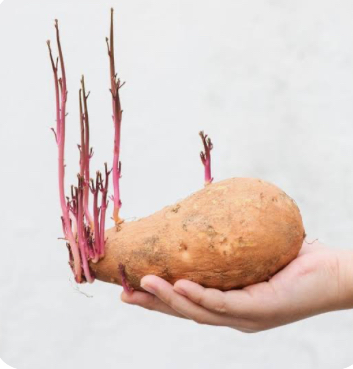
Phase 1: Grow Your Own Slips (6–8 Weeks Before Planting)
Start the Sweet Potato: Submerge half of an organic sweet potato in a jar of water using toothpicks to hold it up, or lay it horizontally halfway into a tray of moist potting soil.
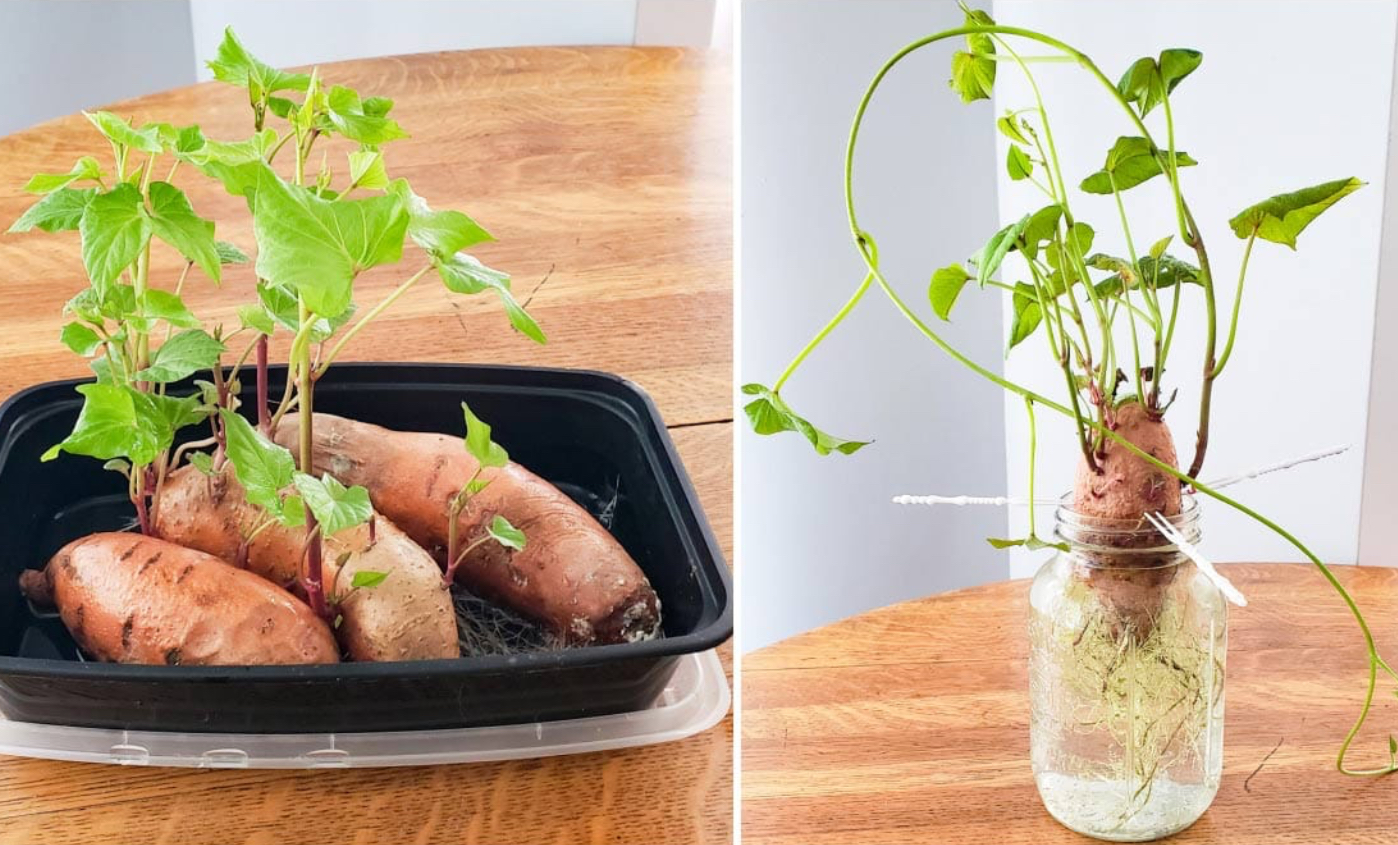
Sprouting: Place the container in a warm (75° to 85°F), sunny location. Small green leafy sprouts (slips) will emerge from the eyes in 2 to 4 weeks.
Rooting: Once the sprouts are 6–8 inches long, gently cut them off the mother tuber. (The cut sprouts will continue to grow from the tuber, and can be cut again and again. Remove the bottom leaves and place the stems in a glass of water for 3 to 5 days until they develop fine white roots.
Phase 2:
Planting and CareSoil Prep:
Sweet potatoes require loose, sandy loam soil. If you have heavy or clay soil, build 12-inch-tall ridges or use large grow bags to improve drainage and give the roots room to expand.
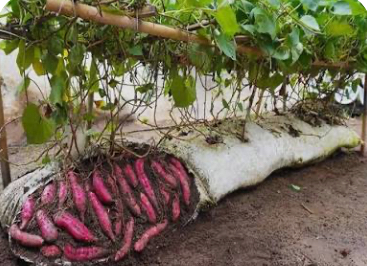
Planting Slips: Wait until soil temperatures are consistently above 65°F. Plant the slips 2–3 inches deep and 12–18 inches apart, burying the entire stem so that only the top leaves are exposed.
Watering: Water newly planted slips daily for the first week. Once established, reduce to deep waterings once or twice a week. Stop watering entirely 3 to 4 weeks before harvest.
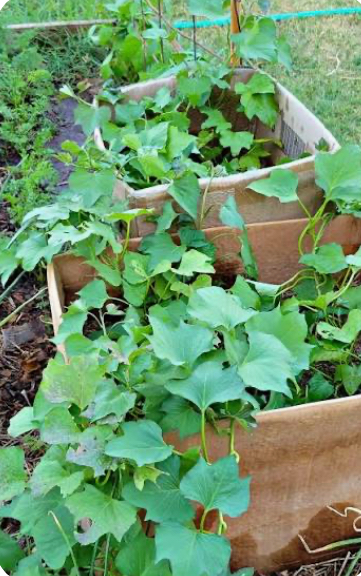
Fertilizing: Apply a balanced fertilizer at the start, but avoid nitrogen-heavy fertilizers, which promote leafy vine growth rather than sweet potato production.
Phase 3: Harvesting and CuringHarvesting:

Sweet potatoes are generally ready to dig up in 90 to 120 days, indicated by the vines yellowing and dying back. Use a garden fork to carefully unearth the roots without puncturing them.
Curing: Immediately after harvesting, lay the sweet potatoes in a single layer in a dark, warm (85°F), and humid spot for about 1 to 2 weeks. Curing heals skin nicks and converts starches into sugars, making them much sweeter.
Storing: Store cured sweet potatoes in a cool, dark, and well-ventilated area (around 55° to 60°F) in a box lined with newspaper
Ok, now you know how to grow sweet potatoes. Not only is it fun to do, but it is challenging, definitely interesting and fun to watch and look at, and then to eat.
Tip: if you buy a sweet potato at the grocery store, you won’t know if it is organic, even if they say it is. So scrub it all over to remove any chemicals.
Just a little bit about me. I moved out of the city about 25 years ago, and went rural. I live on 6 acres, with a creek flowing into a large stock pond filled with fish. Half the property is a pine and oak forest, and is wild. The other half is groomed ( kind of) and I’m growing fruit trees. I also raise chickens and ducks for their eggs, and peacocks for breeding babies. In my veggie garden and on my back deck and greenhouse I grow all kinds of plants. (Strawberries, herbs, blueberries, onions, squash, peppers). Subscribe to learn other growing tips. It’s a healthy , fun hobby and you can sell what you grow and also eat what you grow.
About the Creator
Guy lynn
I’m interested in history, space travel and the possibilities, Americana,( where I live now), Africa (Southern Africa, where I was born and raised), and I write about things that interest me ( bead history) and I hope will interest you.
Enjoyed the story? Support the Creator.
Subscribe for free to receive all their stories in your feed.
Comments
There are no comments for this story
Be the first to respond and start the conversation.