
Herbal Teas for Anxiety and Better Sleep: A Simple Daily Ritual
Sip Your Way to Calm with Natural Herbal Blends Designed to Ease Stress, Support Relaxation, and Improve Sleep Quality Naturally
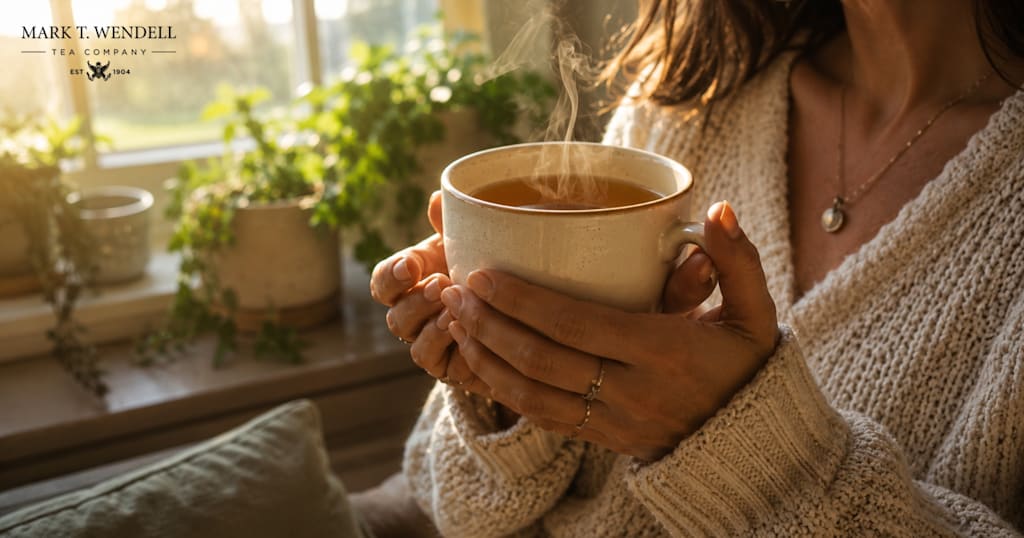
In today’s fast-paced, screen-heavy world, many people struggle to relax and sleep well, leading them to rediscover herbal tea as a simple way to unwind. What was once seen as an old-fashioned remedy is now a modern self-care habit, supported by science and mindful routines. From calming chamomile to refreshing cold brews, herbal teas offer an easy, affordable way to reduce stress and bring a sense of calm—without complicated wellness trends or expensive solutions.
Why Herbal Tea Is Making a Massive Comeback
Herbal tea has found its place at the heart of the contemporary wellness shift, which prioritizes long-term daily rituals over temporary solutions.
Throughout the United States, a growing number of consumers are making conscious choices regarding stress relief, sleep support, and caffeine intake. This has led to a significant surge in the popularity of organic herbal tea, as individuals look for natural, plant-derived substitutes for synthetic sleep aids and high-sugar drinks.
What sets herbal infusions apart from processed beverages or energy drinks is their unique ability to provide tranquility without a subsequent energy slump. Numerous herbal combinations are rich in natural substances that foster relaxation, alleviate tension, and prepare the body for sleep. When paired with the mindful process of preparation, heating water, allowing the herbs to steep, and embracing a few moments of stillness, the drink transcends its physical form to serve as a vital mental reset.
Cold Brew Tea vs. Iced Tea: Which Method Wins for Herbal Benefits?
Now here's a debate that's been gaining serious traction in the wellness-meets-food-tech space — and it directly impacts the herbal tea benefits you're actually getting from your cup.
The Cold Brew Tea Method
Cold brew tea has crossed over from specialty coffee culture into the tea world, and for good reason. The process is simple: steep your loose-leaf or bagged herbal tea in cold or room-temperature water for 8–12 hours in the refrigerator.
The result? A smoother, less bitter brew that many people find more palatable — especially for herbal varieties like hibiscus or chamomile that can turn sharp with heat.
But here's the wellness angle: cold brew tea extraction is gentler on heat-sensitive polyphenols and volatile aromatic compounds. Some herbalists argue that cold brewing preserves a higher percentage of delicate bioactive compounds — such as the flavonoids in chamomile — that can degrade at high heat.
Cold brew tea benefits include:
- Smoother, naturally sweeter flavor profile
- Lower tannin extraction (less bitterness)
- Potentially higher preservation of heat-sensitive antioxidants
- Longer shelf life (stays fresh in the fridge for 3–5 days)
- Traditional Iced Tea Brewing Methods
The classic approach — hot steep, then cool — extracts more intensely from the herbs and tends to produce a bolder, more complex flavor. For heartier botanicals like valerian root or ginger, hot brewing is often more effective at releasing the active compounds.
The verdict? For light, floral herbs (chamomile, lavender, lemon balm), cold brew tea is arguably the superior method both in taste and compound preservation. For roots, barks, and denser botanicals, stick with hot brewing and cool it down afterward.
Your iced tea brewing guide, simplified: match the method to the botanical.
Building Your Daily Herbal Tea Ritual: An Actionable Framework
Here's the part where we stop being theoretical and get practical.
The most powerful thing about an herbal tea ritual isn't any single cup — it's the consistency and intentionality of the practice. Think of it less like taking a supplement and more like cueing your nervous system to downshift.
Morning: Calm Focus Without the Coffee Crash
Swap one of your morning coffees for a cup of lemon balm and holy basil (tulsi) blend. Both are adaptogens — meaning they help your body modulate its stress response. You still get mental clarity; you just don't get the cortisol spike that sends your anxiety into overdrive by 10 AM.
Afternoon: The Reset Window
Around 2–3 PM, most of us hit a wall. Instead of reaching for your third espresso, try a cold brew passionflower and hibiscus blend you prepped the night before. It's refreshing, naturally tart, and gives your adrenal system a break without putting you to sleep.
Evening: The Wind-Down Protocol
This is where the magic happens. One hour before bed, brew a hot cup of chamomile, valerian, and lavender blend. No screens. No Slack. Just the ritual itself — the warmth of the mug, the scent of the herbs, the act of intentional slowing down.
This is what behavioral scientists call a "pre-sleep cue" — a consistent set of actions that signal to your brain it's time to transition toward sleep. Over time, the ritual itself becomes as powerful as the herbs.
The Rise of Organic Herbal Tea: Why Sourcing Matters More Than Ever
Not all herbal teas are created equal — and as someone who's covered supply chain transparency issues in the food-tech space for years, I can't overstate how much sourcing matters here.
Pesticide residue in non-organic teas is a documented issue. A 2023 consumer report by Pesticide Action Network found detectable pesticide levels in a notable percentage of conventional tea brands. When you're drinking herbal tea specifically to reduce your body's stress load, the last thing you want is to introduce chemical residue into the equation.
Look for USDA Certified Organic labeling, transparent ingredient sourcing, and brands with established quality control standards.
Companies like Mark T. Wendell Tea Co. have built their reputation on exactly this kind of sourcing integrity — a legacy approach to quality that modern wellness consumers are increasingly demanding. As a Bulk Tea - wholesale tea supplier, they represent the kind of brand that bridges old-world botanical craftsmanship with contemporary wellness needs.
When shopping for herbal blends, here's your quick checklist:
- USDA Organic certified
- Single-origin or traceable sourcing
- No artificial flavors or fillers
- Third-party tested where possible
- Transparent about harvest and processing methods
The Future of Functional Tea: Where This Is All Heading
The convergence of wellness culture, functional beverage innovation, and personalized health is creating a fascinating new category I'd call "precision botanicals."
We're already seeing startups use AI and microbiome data to suggest personalized herbal blends based on an individual's stress biomarkers, sleep patterns, and hormonal profiles. The cold brew tea format is being elevated to premium RTD (ready-to-drink) products that sit comfortably alongside kombucha and functional sodas on Whole Foods shelves.
The wholesale tea supplier market is also evolving rapidly — DTC brands are disrupting legacy distributors, and small-batch organic producers are finding audiences through Instagram, Substack, and TikTok in ways that weren't possible five years ago. Herbal tea isn't just wellness theater anymore. It's becoming a serious category at the intersection of functional food, mental health, and daily behavioral design.
Actionable Takeaways
- Start with chamomile or lemon balm if you're new to herbal teas — they're gentle, effective, and widely available in organic form.
- Try cold brew tea for light florals — 8–12 hours in cold water, no heat required: smoother taste, preserved compounds.
- Build a consistent evening ritual — same blend, same time, same environment. Consistency is the mechanism.
- Source organic — it's not a premium luxury, it's a baseline wellness standard.
- Combine your ritual with a screen cutoff — the tea alone is strong; paired with intentional unplugging, it's transformational.
Final Thought: The Ritual Is the Product
We dedicate immense effort to refining our tech stacks, workflows, and tools. Yet, the most impactful optimization might be the one that requires no onboarding, no subscription, and no digital download.
In the context of 2025, a cup of herbal tea—prepared with care and enjoyed away from a screen—feels almost like an act of rebellion. Perhaps that is the core of its value. True technology does not always manifest as software; sometimes, it is simply a mug of chamomile at 10 PM and the resolve to disconnect from your devices.
About the Creator
Enjoyed the story? Support the Creator.
Subscribe for free to receive all their stories in your feed.
Comments
There are no comments for this story
Be the first to respond and start the conversation.