
Growing Your Very Own Victory Garden
Even if you don't have a lot of space, you can grow your own food, just like they did during the World Wars.

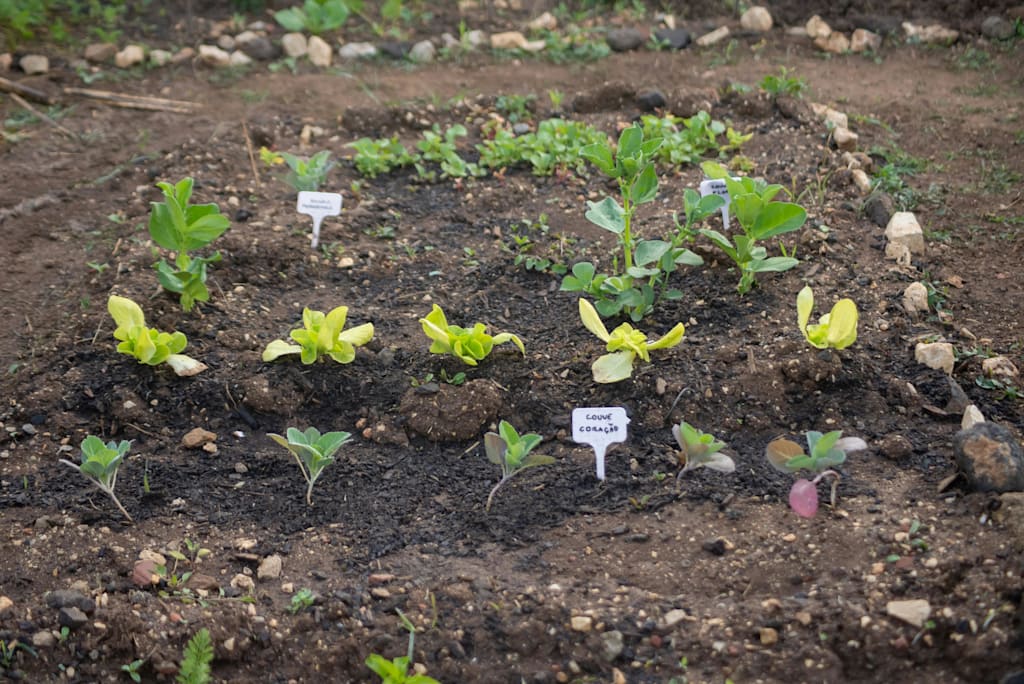
For some people, a victory garden makes for a great supplement to shopping. Originally called “war gardens,” victory gardens were first created by American, Australian, British, Canadian. and German patriots during World War 1 to deal with rationing, these small gardens make life a little easier. A decent-sized victory garden can provide enough food for a family of seven, or at least really help with the groceries. Preppers like them because they add to a home’s self-sufficiency, making them great for people looking to bug-in.
It may take some work, but establishing a victory garden is well worth the effort.
Is Gardening For You?
The first question is, “How much space do you have for the garden?” You only need a space that’s 10’x15’ (roughly 3m x 5m) for a small garden (just supplementing the grocery bill) to 25’x50’ (8m x 16m) for a garden big enough to almost feed a family for a year. You’re also going to need fertilizer (or at least fertile soil). While the time required is relatively minimal, you’ll still need to allot plenty of time. A green thumb also helps, but as long as you’re willing to try something new, you should be fine.
The biggest thing you’ll need is patience; growing plants takes time and effort, but without patience you’ll soon find that your garden will develop problems.
[Is the weather a problem? Then build a greenhouse. You’ll find that even a large garden can easily fit in a greenhouse, and it will help you grow year-round, especially in colder regions. While it is advised to let your soil rest while you prep it for the next growing season, you can get two harvests a year if you don’t mind buying more fertilizer. However, this will tire the land out faster.
And if you want to avoid the land tiring and you have the space, look at the possibility of three-field rotation. In essence, in Field One you grow all the normal plants. In Field Two, plant nitrogen-fixing plants, such as beans. Let Field Three lay fallow. Next growing season, fix the nitrogen of Field One, let Field Two lay fallow, and go crazy with Field Three. Maintain that rotation pattern and the land should never tire. If you use trellises, you may need to move them on the same regular basis, so don’t make them too heavy.]
Your Top Ten Plants to Consider
You can never go wrong with the Three Sisters (corn, squash, and beans): The corn provides a pole for the beans and shade for the squash, the beans provide a good nitrogen fix, and the squash helps keep weeds at bay. Leafy vegetables can only add value, especially kale and romaine lettuce. Tomatoes are always good, and can be harvested early for green tomatoes; try planting two or three species if you can. Potatoes and carrots will help add a little starch to the mix. Cucumbers are a versatile crop, even if they need a trellis: They can be eaten raw or pickled. Broccoli is another good one, but they need to be started inside. Throw in green beans (again, trellis needed), and you should be good.
Good options to the above (or bonus if you have the room) include cauliflower, bell peppers, and some sort of melon, such as watermelon or cantaloupe. Don’t include mushrooms as part of your garden; they require an indoor solution and a lot of fertilizer, making them a bad fit for most gardens. If you can, include a fruit tree for some additional shade and, well, fruit, and you’ll be enjoying life. Add in some canning and jarring equipment, and you should have plenty of food for the coming year.
If you’re using the three-field rotation concept, you may want to also look into alfalfa, beans, clover, peas, peanuts, running beans, and soybeans. Don’t even think of using the Three Sisters: Maize is pretty much the only species of corn that helps fix nitrogen and squash gobbles it up like a hungry pig. And remember how I suggested adding a fruit tree? Some fruit trees help fix nitrogen as well. By using the right vegetables and fruits in your nitrogen-fixing field, you can help refresh the field; combined with leaving it fallow, you should be able to use the land for a long time.
You should also consider some herbs, but you can create a hanging garden (miniature flower boxes hung from a wall) to raise them should you desire. You don’t need to allocate a whole lot of space for herbs, and they can only make your cooking that much better. As long as you remember to water them regularly and keep them somewhat shaded, you should do fine. If you happen to have a wall or section of the garden that only gets sunlight a few hours a day, your herbs will do fine. However, should want peppers for that added spice, plant them with the regular plants; they should help deal with weeds.
[Chickens are actually pretty compatible with a victory garden, especially once it has started growing. They help cut down on invasive insects as well as some weeds. If you really want the chickens to avoid your plants, especially when they’re young, planting some chickweed is probably your best bet. While other weeds work pretty well, chickweed gives a full range of vegetables, provides hydration, and apparently tastes good to chickens. While they will eat other weeds (especially dandelion), chickweed is not a bad option. Also, allow them some of the squash seeds; these seeds act as a natural dewormer.]
Building A Decent Compost Pile
You’re also going to want to set up a decent compost pile. Pretty much anything organic can go into the pile: lawn clippings, food scraps, even paper. While you do want to avoid meat, dairy, and eggs (they tend to draw in the bigger scavengers like cats, possums, and racoons), as well as anything that may have been exposed to something poisonous 9for obvious reasons), pretty much anything is on the table. Just pile everything into one pile, mix it up, and let it weight, preferably for a couple of months (yeah, it takes months for the mix to properly decompose). You can’t hurry a good compost pile; just cover it, mix it up every week or so, and let nature take its course.
[Bonus Tip: Have a wood fire and have no idea what to do with the ashes? When you clean them out, you can either use them to create soap or spread them among the plants. You can also combine with your compost pile. In a proper homestead, there is no waste.]
Considering Hydroponics
If you don’t have a lot of space outside but have some extra space in one of your rooms, you may want to debate hydroponics. The concept is pretty simple: You have a central full of a growing solution, and that solution is pumped to smaller holding tanks where plants are grown. While you may not grow as much food as you would with even a small garden, you are still growing your own food and will have enough to at least supplement your grocery bill. It will take some time to set up and you need to set it up precisely to avoid the solution going everywhere, as well as dealing with potential smells, but it can be worth it.
Sound Like A Lot?
Yeah, this makes it sound simple to create a victory garden, and there is a lot more to it than is presented here, but the time and effort are well worth the rewards. The big problem is getting it going, as you need to prep the soil ahead of time, digging furrows, mixing in the fertilizer, and we won’t talk about how much time it takes to create a proper compost pile, and then there’s the effort in canning/jarring/pickling all of that produce.
[Note: Most of the cost is pretty much sweat equity if you have the space for a victory garden. Otherwise, you’re paying for seeds, fertilizer, and couple of gardening tools. You should be able to weed the plants and you can either buy an insecticide or chickens, including the coop. Setting up a victory garden can thus be relatively cheap.]
However, as much effort as it takes, growing a victory garden can be well worth the experience. You’re not only spending some time in the sun, but you’re also growing food that has all of the advantages of organic crops without the price problem. You’re also experiencing the neat mix of nature and technology, and one of the few areas where it works together. Best yet, you can farm the crops you want and not have to worry about whether or not they’re available in stores.
In short, there are a lot of advantages to a victory garden, so get planting now!
About the Creator
Jamais Jochim
I'm the guy who knows every last fact about Spider-man and if I don't I'll track it down. I love bad movies, enjoy table-top gaming, and probably would drive you crazy if you weren't ready for it.
Enjoyed the story? Support the Creator.
Subscribe for free to receive all their stories in your feed.
Comments
There are no comments for this story
Be the first to respond and start the conversation.