
FUE vs. FUT Hair Transplant: Which Option May Be Right for You?
A practical guide to understanding the differences, recovery, costs, and long-term considerations behind today’s most popular hair transplant procedures.

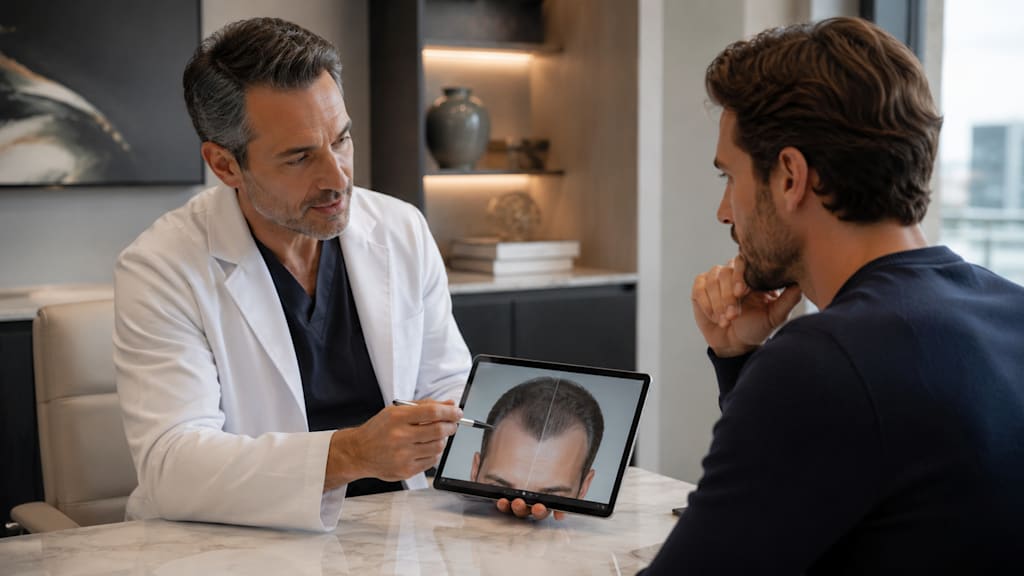
Hair loss can affect confidence, self-image, and even the way people interact socially or professionally. For many individuals exploring long-term solutions, hair transplant surgery becomes part of the conversation. Two of the most commonly discussed procedures are FUE (Follicular Unit Extraction) and FUT (Follicular Unit Transplantation).
At first glance, both procedures may seem very similar because they share the same goal: moving healthy hair follicles from one area of the scalp to another. However, the techniques, recovery experience, scarring patterns, cost considerations, and suitability for different lifestyles can vary significantly.
Choosing between FUE and FUT is rarely about which procedure is “better.” Instead, it often comes down to personal priorities, hair characteristics, long-term expectations, and the recommendation of an experienced specialist.
Understanding the Basics of Hair Transplant Surgery
Hair transplant procedures work by relocating healthy hair follicles from areas with stable growth - usually the back or sides of the scalp - to areas experiencing thinning or baldness.
Once transplanted, these follicles can continue to grow naturally in their new location. Over time, this may help create fuller-looking hair density and a more balanced hairline.
The main difference between FUE and FUT lies in how those donor follicles are collected.
What Is FUE?
Follicular Unit Extraction, commonly known as FUE, involves removing individual hair follicles one at a time using small circular instruments.
Because the follicles are harvested individually, the procedure does not require removing a strip of scalp tissue. Instead, tiny extraction points are created throughout the donor area.
After collection, the follicles are implanted into thinning areas of the scalp.
FUE has become increasingly popular over the years, particularly among people who prefer shorter hairstyles or want to avoid a noticeable linear scar.
Potential Advantages of FUE
- Tiny dot-like scars are often less noticeable
- Recovery may feel more comfortable for some patients
- No stitches are usually required
- Suitable for people who wear short hairstyles
- Can sometimes be used to soften or camouflage previous transplant scars
Potential Drawbacks of FUE
- Sessions can take longer because follicles are removed individually
- Large transplant sessions may require multiple appointments
- The procedure is often more expensive per graft
- Overharvesting may affect donor area appearance if not performed carefully
What Is FUT?
Follicular Unit Transplantation, often called FUT or strip harvesting, uses a different approach.
Instead of removing follicles one by one, a thin strip of scalp is taken from the donor area. The strip is then carefully dissected under magnification to separate individual follicular units for transplantation.
The donor area is closed with stitches or staples, leaving a linear scar that is usually hidden beneath surrounding hair.
Although FUT is sometimes viewed as the older method, many surgeons still recommend it for certain patients because it can efficiently provide a large number of grafts during a single procedure.
Potential Advantages of FUT
- Often allows more grafts in one session
- May provide strong graft quality and survival rates
- Frequently more cost-effective for larger procedures
- Useful for individuals with advanced hair loss
Potential Drawbacks of FUT
- Leaves a linear scar in the donor area
- Recovery may involve more tightness or discomfort initially
- Stitches or staples are required
- Very short hairstyles may reveal the scar more easily
Scarring: One of the Biggest Decision Factors
For many people, scar visibility plays a major role in choosing between FUE and FUT.
FUE typically creates multiple tiny circular scars spread across the donor region. These are often difficult to notice once healed, especially when performed with smaller punch tools.
FUT, on the other hand, leaves a single linear scar across the back of the scalp. In many cases, the scar can remain hidden beneath medium or longer hair lengths. However, it may become visible with buzz cuts or closely shaved styles.
People who prefer very short hairstyles often lean toward FUE for this reason.
Recovery Experience
Both procedures involve healing time, but the experience can differ.
After FUE, patients usually notice small scabs and redness around the extraction sites. These generally improve within one to two weeks.
FUT recovery may involve a tighter sensation across the donor area because of the incision and stitches. Some individuals report more discomfort during the first several days compared to FUE.
Regardless of the method used, most people can gradually return to normal routines within days to weeks depending on the extent of the procedure and their surgeon’s recommendations.
Which Procedure Works Better for Large Hair Loss Areas?
People with extensive hair loss often require a higher number of grafts to achieve meaningful coverage.
In many situations, FUT may allow surgeons to harvest a larger number of follicles during one session. This efficiency can make FUT appealing for patients seeking significant restoration without undergoing multiple procedures.
FUE can also achieve large sessions, but it may require longer operating times or additional appointments.
Cost Differences
Cost varies widely depending on the clinic, location, surgeon experience, and number of grafts required.
In general:
- FUE is often more expensive because it is labor-intensive
- FUT may offer a lower cost per graft for larger sessions
However, pricing alone should not determine the decision. Surgical experience, aesthetic judgment, and long-term planning often have a greater impact on overall satisfaction.
Hair Characteristics Matter More Than Many People Realize
Not all hair types behave the same during transplantation.
Factors such as hair thickness, curl pattern, density, and color contrast against the scalp can influence how full the final result appears.
For example, thicker or curlier hair may create the appearance of greater density using fewer grafts.
This is why personalized consultation and planning are so important before selecting a procedure.
Long-Term Hair Loss Planning Is Essential
One common misunderstanding is that a hair transplant “cures” hair loss.
In reality, transplanted follicles may continue growing, but natural hair surrounding them can still thin over time.
Because of this, many specialists discuss long-term management strategies alongside surgery. These may include:
- Medications such as minoxidil or finasteride
- Platelet-rich plasma (PRP) therapy
- Microneedling or laser-based treatments
- Lifestyle and scalp care recommendations
The goal is often to maintain existing hair while improving transplanted density.
The Emotional Side of Hair Restoration
Hair restoration is not only physical. For many people, it is deeply emotional.
Some individuals pursue transplantation after years of frustration with thinning hair, changing hairstyles, hats, or declining self-confidence. Others simply want subtle improvements that help them feel more like themselves again.
Because expectations can be emotional, realistic planning becomes extremely important.
Even the best transplant procedures do not create unlimited density, stop future aging, or guarantee perfection. Strong communication between patient and surgeon often plays a major role in satisfaction.
Questions Worth Asking During a Consultation
Anyone considering hair transplant surgery may benefit from asking detailed questions during a consultation, including:
- Which procedure suits my hair loss pattern best?
- How many grafts would likely be needed?
- What kind of scarring should I expect?
- How long will recovery realistically take?
- Will I potentially need additional procedures later?
- What type of maintenance treatments do you recommend?
- Can I see results from patients with similar hair characteristics?
The answers can help create a clearer understanding of what is realistically achievable.
So, Which Option Is Right?
There is no universal answer.
FUE may appeal to people who prioritize minimal visible scarring, shorter hairstyles, or a potentially easier recovery experience.
FUT may be better suited for individuals needing a larger number of grafts in one session or those looking for a more cost-efficient option for extensive restoration.
Ultimately, success depends less on choosing a trendy procedure and more on finding an experienced professional who understands facial aesthetics, donor management, and long-term hair loss planning.
Final Thoughts
FUE and FUT are both widely used hair restoration techniques with their own strengths and limitations. The right procedure depends on personal goals, hair characteristics, lifestyle preferences, and realistic expectations.
For anyone considering hair transplant surgery, education and consultation are essential first steps. Understanding the differences between these procedures can make the decision feel less overwhelming and help set more realistic expectations for the journey ahead.
About the Creator
Dr. Rejali Hair & Skin Institute
Dr. Rejali Hair & Skin Institute is a hair restoration and aesthetic practice in Scottsdale, led by Dr. Farhad Rejali, an American Board of Hair Restoration Diplomate with over 20 years of experience.
Enjoyed the story? Support the Creator.
Subscribe for free to receive all their stories in your feed.
Comments
There are no comments for this story
Be the first to respond and start the conversation.