
FUE vs FUT Hair Transplant in Melbourne: A Comprehensive Guide to Your Options
Fue &Fut
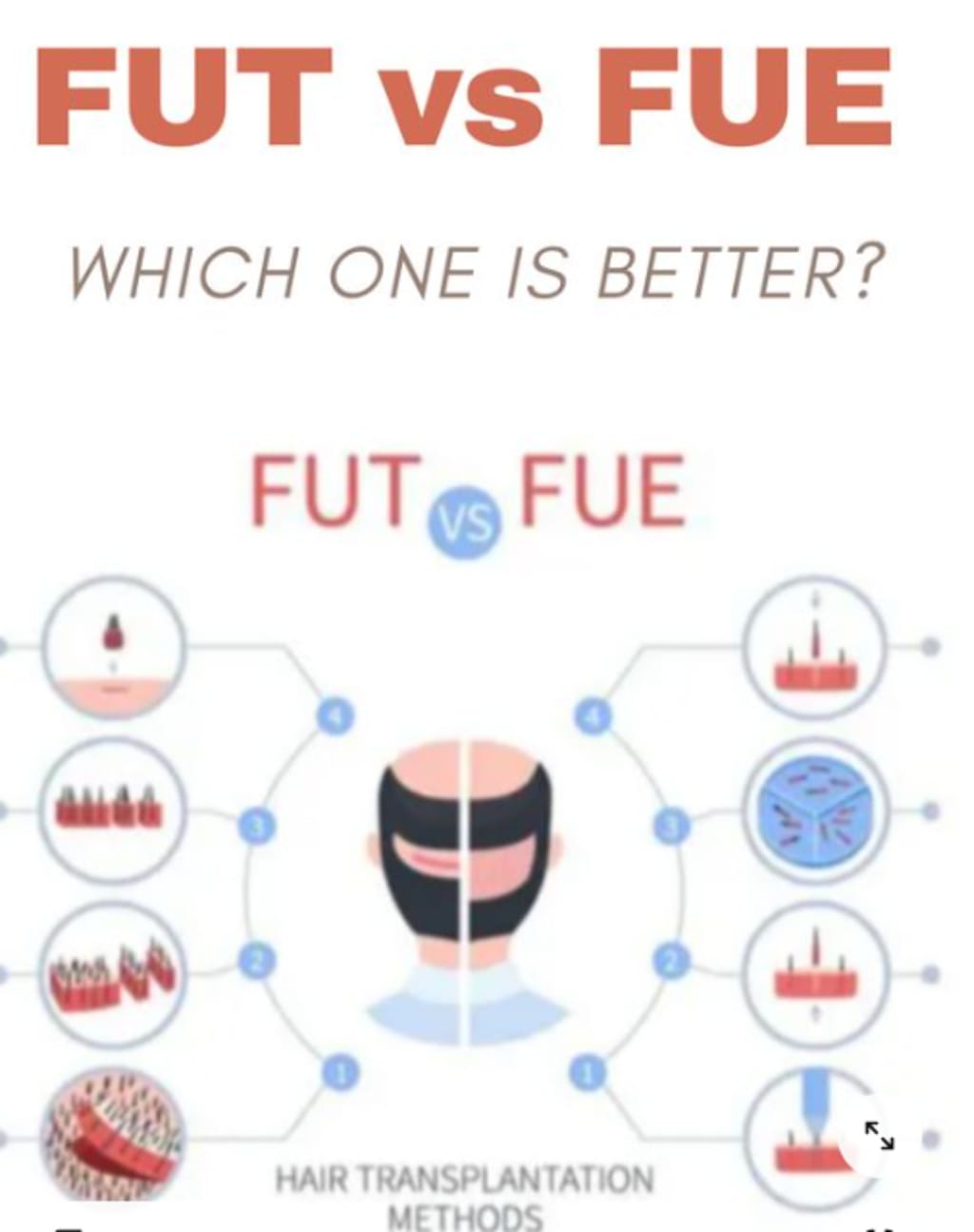
As the demand for hair restoration solutions continues to rise, understanding the various methods available is essential for anyone considering a hair transplant. Two of the most popular techniques are Follicular Unit Extraction (FUE) and Follicular Unit Transplantation (FUT). Both methods have distinct advantages and potential drawbacks, making it crucial to choose the right option for your needs. This comprehensive guide will explore FUE and FUT hair transplant methods, particularly within the context of Melbourne's thriving cosmetic surgery scene.
Understanding Hair Loss
Before delving into the specifics of hair transplant techniques, it’s essential to understand the underlying causes of hair loss. Common reasons include:
Genetic Factors: Androgenetic alopecia, commonly known as male or female pattern baldness, is the most prevalent cause of hair loss.
Hormonal Changes: Conditions like pregnancy, menopause, and thyroid disorders can lead to temporary or permanent hair loss.
Medical Conditions: Certain illnesses, such as alopecia areata, can result in patchy hair loss.
Stress and Lifestyle: High stress levels and poor nutrition can also contribute to thinning hair.
With a clear understanding of these causes, individuals can better assess their suitability for hair transplant procedures.
Overview of FUE and FUT
Follicular Unit Extraction (FUE)
FUE is a minimally invasive hair transplant technique that involves extracting individual hair follicles from the donor area (usually the back of the head) and implanting them into the balding areas. Here’s a closer look at the FUE process:
Preparation: The scalp is cleansed, and local anesthesia is administered to minimize discomfort.
Extraction: Using a specialized tool, the surgeon extracts individual follicular units, each containing one to four hairs.
Implantation: The extracted follicles are then implanted into the recipient area, following a pattern that mimics natural hair growth.
Recovery: The small extraction sites heal quickly, often leaving minimal scarring.
Advantages of FUE
Minimal Scarring: Because FUE extracts individual follicles, there is no linear scar, making it ideal for individuals who prefer shorter hairstyles.
Faster Recovery: Patients typically experience a quicker recovery time compared to FUT, with less postoperative discomfort.
Natural Results: FUE allows for precise placement of follicles, resulting in a more natural appearance.
No Need for Stitches: The small puncture wounds heal on their own without the need for stitches.
Disadvantages of FUE
Time-Consuming: The procedure can take longer than FUT, especially for larger transplant sessions.
Cost: FUE may be more expensive due to the specialized equipment and technique involved.
Follicular Unit Transplantation (FUT)
FUT, often referred to as the "strip method," involves removing a strip of skin from the donor area, from which individual hair follicles are harvested for transplantation. Here’s a breakdown of the FUT process:
Preparation: Similar to FUE, the scalp is cleansed, and local anesthesia is administered.
Strip Removal: A strip of scalp is surgically removed from the donor area, which is then sutured closed.
Follicle Dissection: The removed strip is dissected into individual follicular units under a microscope.
Implantation: The prepared follicles are then implanted into the balding areas of the scalp.
Recovery: The sutured area heals over time, leaving a linear scar.
Advantages of FUT
Larger Graft Availability: FUT allows for the collection of a higher number of grafts in a single session, making it suitable for patients with advanced hair loss.
Less Expensive: The cost per graft is often lower with FUT, making it a more budget-friendly option for larger procedures.
Proven Results: FUT has a long history of successful outcomes and is often preferred for patients requiring extensive restoration.
Disadvantages of FUT
Linear Scarring: The removal of a strip of skin leaves a linear scar, which can be noticeable if the hair is cut short.
Longer Recovery Time: Patients may experience more discomfort and a longer recovery time compared to FUE.
Stitch Removal: Sutures may need to be removed after a week or so, adding to the recovery process.
Choosing the Right Method for You
When deciding between FUE and FUT, several factors should be considered:
Extent of Hair Loss: If you have significant hair loss and require a larger number of grafts, FUT might be the more suitable option. Conversely, if you have minimal hair loss and prefer a less invasive procedure, FUE could be ideal.
Lifestyle and Preferences: If you value a quick recovery and minimal scarring, FUE may be more appealing. Those comfortable with a linear scar may prefer FUT for its cost-effectiveness and ability to harvest more grafts in one session.
Hair Type and Quality: The quality and texture of your hair can also impact the decision. Finer hair may benefit more from FUE’s precise placement, while thicker hair can often be successfully transplanted using FUT.
Budget: Consider your budget and how much you're willing to invest in the procedure. FUT is generally less expensive, but the overall cost will depend on the number of grafts needed.
The Melbourne Hair Transplant Landscape
Melbourne boasts a vibrant cosmetic surgery scene, with numerous clinics specializing in hair transplants. When seeking treatment, it’s essential to research potential clinics and surgeons thoroughly. Here are some tips:
Check Credentials: Ensure that the surgeon is qualified and experienced in both FUE and FUT techniques. Look for reviews and before-and-after photos from previous patients.
Consultation: Schedule consultations with multiple clinics to discuss your options, understand the procedure, and get a feel for the clinic's environment and staff.
Technology and Techniques: Inquire about the technology and techniques used during the procedures. Advanced tools and methods can enhance the quality of the transplant and overall patient experience.
Aftercare: Consider the aftercare provided by the clinic, as this can significantly impact your recovery and results.
Conclusion
Both FUE and FUT hair transplants offer viable solutions for hair restoration, each with its unique advantages and drawbacks. By understanding these options and carefully considering your personal needs and circumstances, you can make an informed decision that best suits your hair restoration goals.
If you're in Melbourne and considering a hair transplant, take the time to research clinics and consult with experienced professionals to ensure a successful outcome. Remember, hair restoration is not just about aesthetics; it's about regaining your confidence and feeling your best.
About the Creator
Enjoyed the story? Support the Creator.
Subscribe for free to receive all their stories in your feed.
Comments
There are no comments for this story
Be the first to respond and start the conversation.