
Fruitful Fusion: A Dry Fruit Elixir
"A Potent Vlend of nature's finest Dried Fruits"
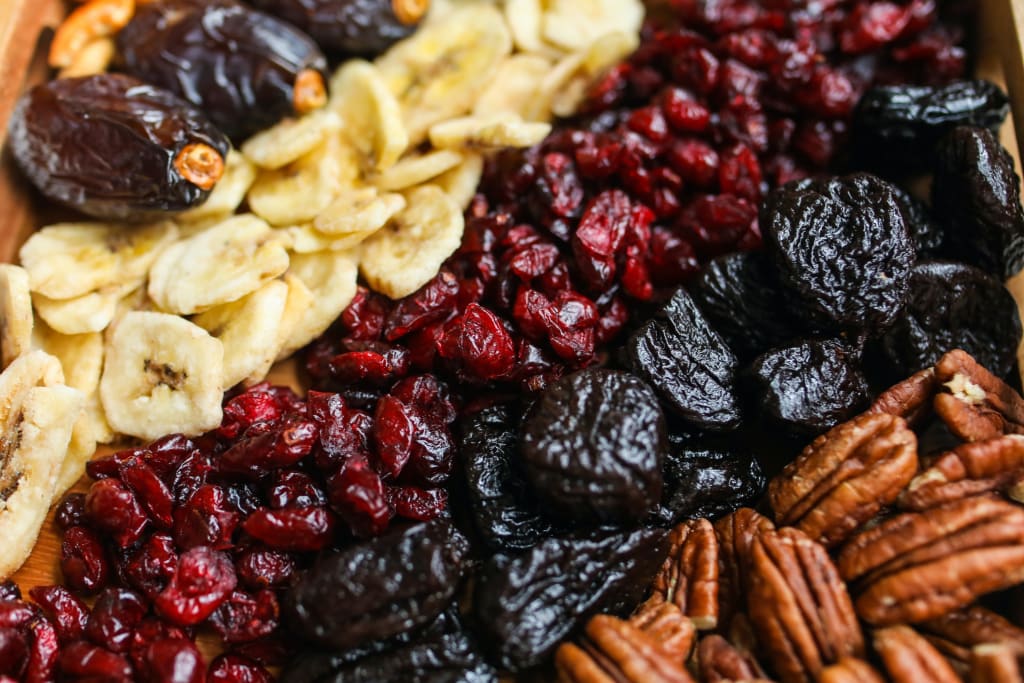
DRY FRUIT JUICE
INTRODUCTION
Dry fruit juice is a type of juice that is made from dehydrated or dried fruits. These fruits are often rehydrated and then processed to extract the juice. The resulting juice is typically concentrated, and may have a sweeter and more intense flavor compared to juice made from fresh fruits. Some examples of dry fruits that are commonly used to make juice include dates, raisins, apricots, and figs. These juices are high in natural sugars and are a rich source of vitamins, minerals and antioxidants. They can be consumed on their own, mixed with water or added to smoothies and other drinks for added flavor and nutritional benefits.
Benefits of dry fruit juice
Dry fruit juice can offer several health benefits as it is a rich source of nutrients, vitamins and minerals. Some of the benefits include:
1. High in antioxidants: Dry fruits are known to be high in antioxidants, which help to protect the body against the damage caused by free radicals.
2. Good source of energy: Dry fruits are high in natural sugars and can provide a sustained source of energy.
3. Rich in vitamins and minerals: Dry fruits are a good source of vitamins A, C, and E, as well as minerals such as potassium, magnesium, and calcium.
4. Good for digestion: Dry fruits are high in fiber, which can help to promote regular bowel movements and prevent constipation.
5. Can help to lower cholesterol levels: Dry fruit juice can help to lower cholesterol levels and maintain healthy heart function.
6. Can boost immunity: The antioxidants and vitamins present in dry fruit juice can help to boost the immune system and protect the body against disease.
7. May help to control blood sugar levels: Some studies have suggested that consuming dry fruit juice can help to control blood sugar levels, making it a good option for people with diabetes.
It is important to note that drinking too much dry fruit juice can lead to weight gain, due to high caloric content. It is recommended to consume it in moderate amounts.
dry fruit juice in lean body
If you are looking to maintain a lean body while consuming dry fruit juice, there are a few things you can do to make sure you are getting the most nutritional benefit while minimizing the risk of weight gain.
1. Mix dry fruit juice with water: To reduce the calorie and sugar content, you can mix dry fruit juice with water. This will also help to reduce the concentration of the juice and make it easier to drink.
2. Choose low-calorie dry fruits: Some dry fruits, such as dates and figs, are relatively high in calories. Choosing lower-calorie options, such as apricots or raisins, can help to keep the calorie count of your juice lower.
3. Watch your portion size: Even if you are using low-calorie dry fruits and mixing your juice with water, it is still important to be mindful of your portion size. Consuming too much juice can still lead to weight gain.
4. Exercise: Incorporating regular exercise into your routine can help to balance out any extra calories you are consuming from the juice.
5. Consider timing: it's better to consume dry fruit juice in the morning or before workout, as it will provide energy for your activity.
6. Avoid added sugars: Make sure to choose a dry fruit juice that does not have any added sugars. Some commercial brands may add sugar to enhance taste.
It is important to remember that consuming dry fruit juice should be part of a balanced diet that includes a variety of nutrient-dense foods. Consulting with a dietitian or nutritionist can help you to find the best approach for your specific needs and goals.
Making of dry fruit juice
Making dry fruit juice at home is a relatively simple process, and requires just a few basic ingredients and tools. Here is a basic recipe to make dry fruit juice:
Ingredients:
• 1 cup of dry fruits (dates, Walnuts ,raisins, Cashews apricots, figs, etc.)
• 2 cups of water
• Optional: honey or other sweetener to taste
Instructions:
1. Soak the dry fruits in 2 cups of water for at least 2 hours.
2. Drain the water and blend the soaked dry fruits in a blender until it forms a smooth paste.
3. Strain the paste through a fine mesh strainer or cheesecloth to remove any solids.
4. If desired, sweeten the juice with honey or other sweetener to taste.
5. Store the juice in a sealed container in the refrigerator for up to 3 days.
Note: You can also use a juicer to extract the juice from soaked dry fruits.
You can also experiment with different combinations of dry fruits to create unique flavor profiles. Some popular combinations include date and raisin juice, apricot and fig juice, or date and almond juice. Additionally, you can mix dry fruit juice with other juices or add it to smoothies for added flavor and nutrition.
dry fruits some tips
There are many different types of dry fruits that can be used in cooking, baking, and making juice. Some popular examples include:
1. Dates: These sweet, chewy fruits are a staple in Middle Eastern cuisine and are often used in sweet and savory dishes.
2. Raisins: These dried grapes are a popular ingredient in baking and are often used to add sweetness and texture to breads, cakes, and cookies.
3. Apricots: These small, tangy fruits are often dried to concentrate their flavor and are a good source of vitamin A and potassium.
4. Figs: These sweet, slightly chewy fruits are high in fiber and are a good source of minerals such as potassium and calcium.
5. Prunes: These dried plums are often used as a natural laxative and are a good source of fiber and vitamin K.
6. Apples: These dried apple slices are a healthy snack and can be eaten as they are or used in baking and cooking.
7. Pears: These dried pears are a healthy snack and can be eaten as they are or used in baking and cooking.
8. Pineapple: These dried pineapple chunks or slices are a healthy snack and can be eaten as they are or used in baking and cooking.
9. Mangoes: These dried mangoes are a healthy snack and can be eaten as they are or used in baking and cooking.
10. Almonds: These dried almonds are a healthy snack and can be eaten as they are or used in baking and cooking.
11. Pistachios: These dried pistachios are a healthy snack and can be eaten as they are or used in baking and cooking.
12. Cashews: These dried cashews are a healthy snack and can be eaten as they are or used in baking and cooking.
13. Walnuts: These dried walnuts are a healthy snack and can be eaten as they are or used in baking and cooking.
14. Peanuts: These dried peanuts are a healthy snack and can be eaten as they are or used in baking and cooking.
15. Hazelnuts: These dried hazelnuts are a healthy snack and can be eaten as they are or used in baking and cooking.
These are just some examples of dry fruits, you can find many other type of dry fruits with different taste and texture.
About the Creator
Enjoyed the story? Support the Creator.
Subscribe for free to receive all their stories in your feed.
Comments
There are no comments for this story
Be the first to respond and start the conversation.