
Food Exports Hit Steep Decline as Imports Surge
A Widening Trade Gap Raises Concerns Over Food Security, Local Farmers, and Economic Stability
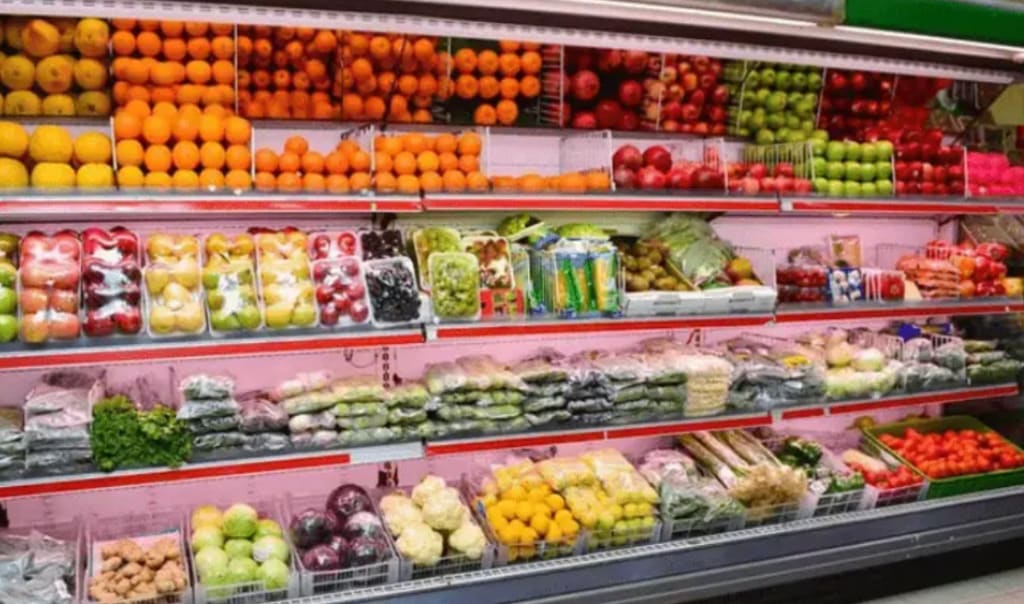
Global food trade is entering a turbulent phase. In a worrying shift, food exports have recorded a sharp decline while imports continue to rise at a significant pace. The imbalance is not just a statistical issue — it reflects deeper structural challenges in agriculture, trade policy, and domestic production capacity. For countries heavily dependent on agriculture, this trend carries serious implications. From shrinking foreign exchange earnings to rising food prices at home, the ripple effects are already being felt across supply chains and household budgets. Let’s unpack what’s happening — and why it matters. The Numbers Behind the Decline Recent trade data shows a noticeable contraction in food exports. Key agricultural products — including rice, wheat, fruits, vegetables, and processed food items — have seen reduced international shipments compared to previous quarters. At the same time, food imports have surged. Countries that once exported staple commodities are now importing higher volumes to meet domestic demand. The result? A widening trade deficit in the food sector. This sharp reversal signals more than temporary fluctuation. It suggests systemic pressures affecting production, competitiveness, and trade strategy. Why Are Food Exports Falling? Several factors are contributing to the downturn: 1️⃣ Climate Challenges Extreme weather events, including floods, droughts, and heatwaves, have damaged crops and reduced yields. Climate volatility is increasingly disrupting agricultural cycles, limiting exportable surplus. 2️⃣ Rising Production Costs Fertilizers, fuel, transportation, and labor costs have increased sharply. Higher input prices reduce farmers’ profit margins and make exports less competitive in global markets. 3️⃣ Policy Uncertainty Export restrictions, sudden tariff changes, and regulatory barriers can discourage international buyers. When policies shift frequently, importers look for more reliable suppliers elsewhere. 4️⃣ Infrastructure Gaps Weak storage facilities, outdated logistics systems, and inefficient ports often delay shipments and increase spoilage. This reduces quality and global market trust. Together, these factors have squeezed export performance at a time when global demand remains relatively strong. Why Are Imports Rising? While exports fall, imports are climbing — and the reasons are equally complex. Domestic Shortages Lower crop production means governments must import food to stabilize supply and control inflation. Changing Consumption Patterns Urbanization and rising middle-class demand have increased consumption of processed and imported food products. Global Supply Availability Some international suppliers are offering competitive prices, making imports more attractive than local production in certain cases. However, rising imports come at a cost — particularly in terms of foreign exchange reserves and long-term agricultural sustainability. Impact on the Economy The most immediate consequence is a growing trade imbalance. When a country imports more food than it exports, it spends more foreign currency than it earns from agricultural trade. This can: Increase pressure on national currency Widen the overall trade deficit Reduce foreign exchange reserves Trigger inflationary pressure For developing economies, these effects can be severe. Currency depreciation makes imports even more expensive, further raising food prices domestically. Impact on Farmers Perhaps the most concerning effect is on local farmers. If imports flood the market at competitive prices, domestic producers may struggle to compete. Lower farm income can lead to: Reduced future production Higher rural unemployment Migration from agricultural areas to cities Increased poverty in farming communities When agriculture weakens, it affects not just farmers — but the entire rural economy. Food Security Concerns Relying heavily on imports for essential food commodities exposes countries to global supply shocks. Political conflicts, shipping disruptions, or export bans by major producing nations can quickly create shortages. Food security is not just about availability — it is about stable, affordable access. A long-term shift from exporter to importer status raises serious strategic concerns. Governments must weigh short-term inflation control against long-term agricultural resilience. What Can Be Done? To reverse the trend, experts suggest a multi-layered strategy: ✔️ Invest in Agricultural Modernization Adopting climate-resilient seeds, efficient irrigation systems, and mechanized farming can boost productivity. ✔️ Strengthen Supply Chains Cold storage, improved transportation, and digital tracking systems can reduce losses and enhance export reliability. ✔️ Stabilize Trade Policies Clear, predictable export rules build trust with international buyers. ✔️ Support Farmers Subsidies, access to credit, and crop insurance programs can protect farmers from economic shocks. ✔️ Encourage Value-Added Exports Instead of exporting raw commodities, processing them domestically increases revenue and competitiveness. A Turning Point for Agricultural Policy This moment represents more than a trade imbalance — it signals a policy crossroads. If governments focus only on short-term imports to stabilize prices, domestic agriculture could weaken further. But if they prioritize sustainable production and export competitiveness, the sector could rebound stronger. Balancing imports and exports is not just about numbers. It’s about building a resilient food system capable of withstanding climate change, global disruptions, and economic volatility. Final Thoughts The steep decline in food exports alongside a surge in imports is a warning sign. It reflects deeper structural challenges in agriculture, trade management, and economic planning. Food is not just a commodity — it is a foundation of national stability. Countries that fail to protect and modernize their agricultural base risk long-term vulnerability. The path forward requires strategic investment, smart policymaking, and a renewed focus on farmer empowerment. If handled correctly, this crisis could become an opportunity to rebuild a stronger, more competitive food sector. The coming months will reveal whether policymakers treat this shift as a temporary setback — or as a wake-up call for meaningful reform.
About the Creator
Enjoyed the story? Support the Creator.
Subscribe for free to receive all their stories in your feed.
Comments
There are no comments for this story
Be the first to respond and start the conversation.