
Exploring Alternative to CPAP Therapy For Sleep Apnea
CPAP Alternative
CPAP (Continuous Positive Airway Pressure) therapy is a widely used treatment for sleep apnea, a disorder that causes a person to stop breathing for brief periods during sleep. The therapy involves the use of a machine that delivers a steady stream of air to the person through a mask, helping to keep the airway open and prevent pauses in breathing. While CPAP therapy is effective, it can also be uncomfortable and difficult to tolerate for some people, particularly for those who experience issues such as skin irritation, claustrophobia or difficulty sleeping with a mask. Additionally, the machine can be loud and the mask may feel constricting.
For these reasons, some people with sleep apnea seek alternative therapies to CPAP. Some alternative treatments include:
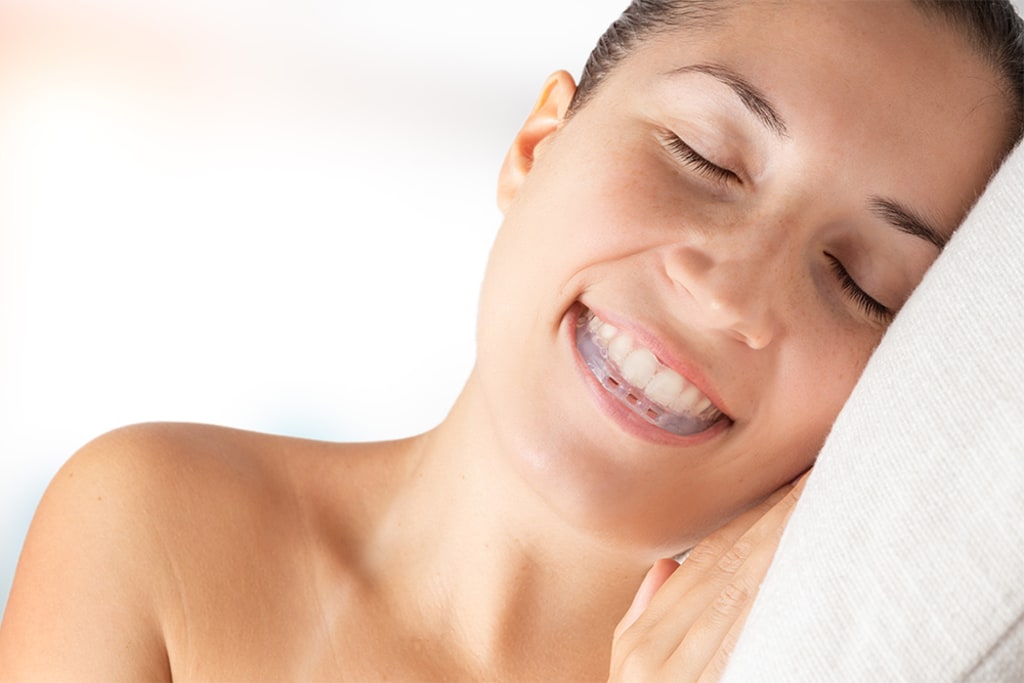
Oral Appliance Therapy (OAT): OAT involves the use of a custom-made mouthpiece that helps to reposition the jaw and tongue, which can help to keep the airway open during sleep. It can be used in people with mild to moderate sleep apnea and is often recommended as a first line of treatment for those who are unable to tolerate CPAP therapy.
Lifestyle changes: Making changes to your lifestyle, such as losing weight, quitting smoking, and avoiding alcohol and sedatives, can help to reduce the severity of sleep apnea.
Behavioral therapy: Certain behaviors such as sleeping position can worsen sleep apnea symptoms, thus behavioral therapy such as positional therapy, where the person is trained to sleep on their side, can help to reduce symptoms.
Surgery: Surgery may be recommended for people with structural issues in their airway that are causing sleep apnea. Surgery options include uvulopalatopharyngoplasty (UPPP) to remove excess tissue from the back of the throat, or genioglossus advancement to reposition the tongue.
Inspire therapy: This is a new treatment option, Inspire therapy uses a small device that is implanted under the skin in the upper chest. The device sends mild stimulation to the airway muscles to keep them open during sleep.
It's important to note that not all alternative therapies will be appropriate for everyone, and the best treatment plan will depend on the individual's specific needs and preferences. It's recommended that you speak with a sleep specialist or a doctor experienced in treating sleep apnea to help determine the best course of action.
In addition, it's important to keep in mind that not all alternative treatments will work as well as CPAP therapy. While CPAP is considered the gold standard for treating sleep apnea, alternatives may not be as effective or may only be suitable for mild cases.
Lastly, it is also important to note that long-term compliance with the chosen treatment is essential to manage sleep apnea symptoms. Therefore, it is important to have an open and honest dialogue with your healthcare provider and to try different options until you find one that works best for you.
In conclusion, while CPAP therapy is an effective treatment for sleep apnea, it may not be suitable for everyone. CPAP Alternative therapies such as oral appliance therapy, lifestyle changes, behavioral therapy, surgery, or Inspire therapy may be helpful for some people. It's important to speak with a sleep specialist or a doctor experienced in treating sleep apnea to help determine the best course of action for you. With a proper treatment plan, it is possible to manage sleep apnea symptoms and improve the quality of life.
In conclusion, CPAP therapy is a widely used treatment for sleep apnea, a disorder that causes a person to stop breathing for brief periods during sleep. CPAP therapy involves the use of a machine that delivers a steady stream of air to the person through a mask, helping to keep the airway open and prevent pauses in breathing. The therapy is considered the gold standard for treating sleep apnea and is effective in many patients.
However, CPAP therapy can also be uncomfortable and difficult to tolerate for some people. It may cause skin irritation, claustrophobia or difficulty sleeping with a mask, while the machine can be loud and the mask may feel constricting. For these reasons, some people with sleep apnea seek alternative therapies to CPAP.
There are a variety of alternative treatments available, such as oral appliance therapy, lifestyle changes, behavioral therapy, surgery, or Inspire therapy. However, not all alternative therapies will be appropriate for everyone, and the best treatment plan will depend on the individual's specific needs and preferences. It's recommended that you speak with a sleep specialist or a doctor experienced in treating sleep apnea to help determine the best course of action for you.
About the Creator
Enjoyed the story? Support the Creator.
Subscribe for free to receive all their stories in your feed.
Comments
There are no comments for this story
Be the first to respond and start the conversation.