
Exercise for Healthy Life
Exercise is important for maintaining physical and mental health.
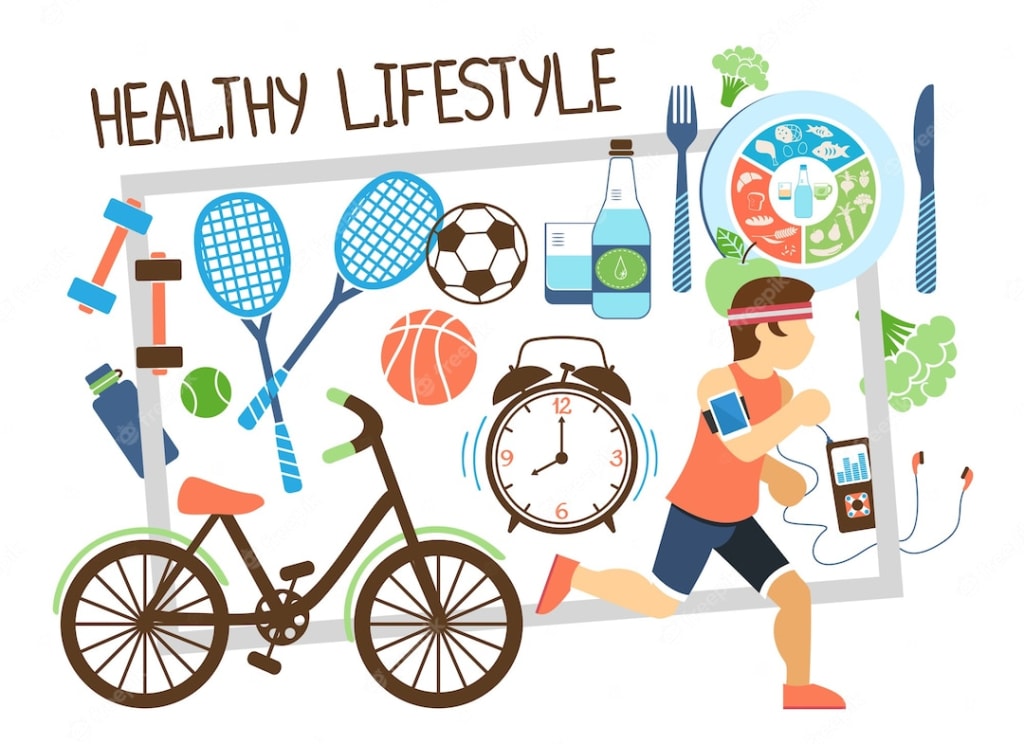
Exercise is an important part of leading a healthy lifestyle. Regular physical activity can help to reduce the risk of chronic diseases such as heart disease, diabetes, and obesity. It can also improve mental health, increase energy levels, and promote better sleep.
The American Heart Association and the Centers for Disease Control and Prevention (CDC) recommend that adults should aim for at least 150 minutes of moderate-intensity aerobic activity or 75 minutes of vigorous-intensity aerobic activity per week, or a combination of both.
They also recommend incorporating muscle-strengthening activities at least twice a week. It's important to consult with a doctor before starting any new exercise program especially if you have any medical conditions.
Types of exercise
There are many different types of exercise, each with its own unique benefits. Some common types of exercise include:
• Aerobic exercise
• Strength training
• Yoga
• Pilates
• High-Intensity Interval Training (HIIT)
• Functional Training
• Rock Climbing
• Calisthenics
• Dance
• Hiking
AEROBIC EXERCISE:
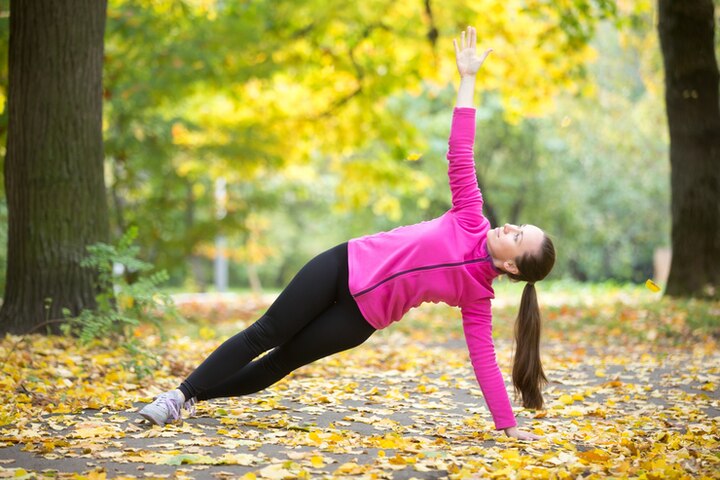
Aerobic exercise, also known as cardio, is any type of physical activity that increases your heart rate and breathing. Aerobic exercise is great for improving cardiovascular health and burning calories. The American Heart Association and the Centers for Disease Control and Prevention (CDC) recommend that adults should aim for at least 150 minutes of moderate-intensity aerobic activity or 75 minutes of vigorous-intensity aerobic activity per week, or a combination of both.
Some examples of aerobic exercises include:
• Running
• Cycling
• Swimming
• Brisk walking
• Jumping rope
• Dancing
• Rowing
• Elliptical training
• Stair climbing
• Aerobic classes such as Zumba or cardio-kickboxing
Moderate-intensity activities are those that get your heart rate up, but you are still able to carry on a conversation. Vigorous-intensity activities are those that get your heart rate up, you can talk, but you can't sing.
STRENGTH TRAINING:
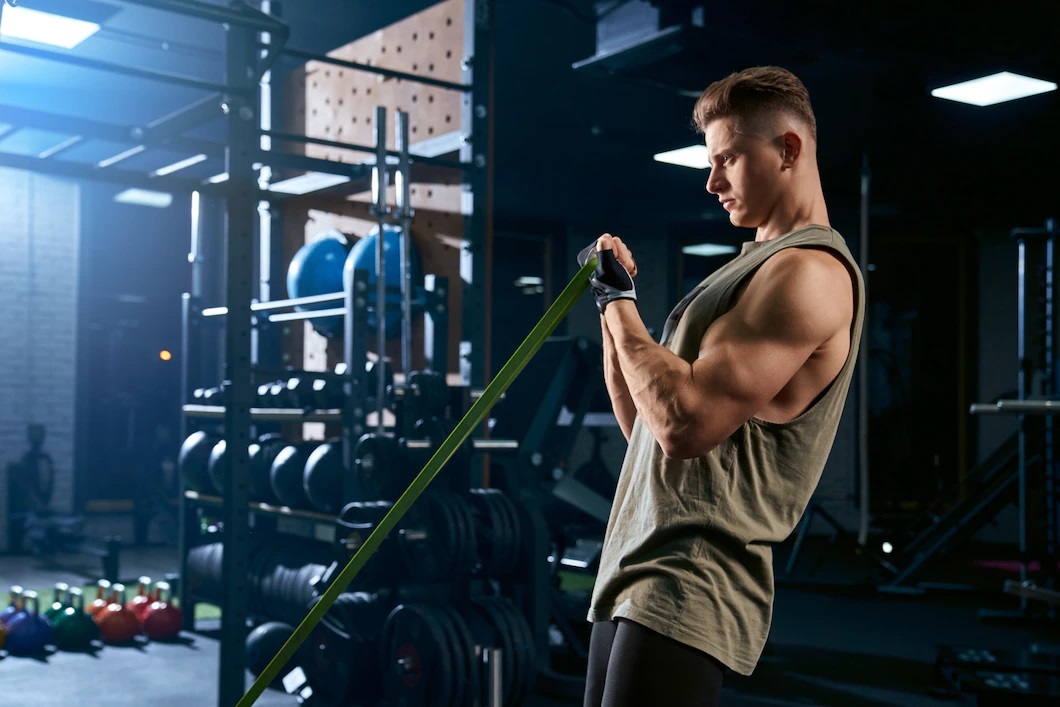
Strength training, also known as resistance training, is any type of exercise that uses resistance to build muscle and improve overall strength. It can include a variety of different exercises and equipment, such as weightlifting, resistance band training, and bodyweight exercises. The American College of Sports Medicine recommends that adults engage in strength training at least two days a week.
Some examples of strength training exercises include:
Weightlifting: Using free weights such as dumbbells and barbells to perform exercises like squats, deadlifts, and bench presses.
Resistance band training: Using elastic bands to provide resistance while performing exercises like rows, bicep curls, and leg presses.
Bodyweight exercises: Using your own bodyweight as resistance to perform exercises like push-ups, pull-ups, squats, and lunges.
Machine-based exercises: Using weight machines like the leg press, chest press and leg extension.
Calisthenics: Bodyweight exercises such as squats, push-ups, and lunges.
Strength training not only improves muscle strength and endurance, but also helps to maintain healthy bones, increase metabolism, and promote weight loss.
YOGA:
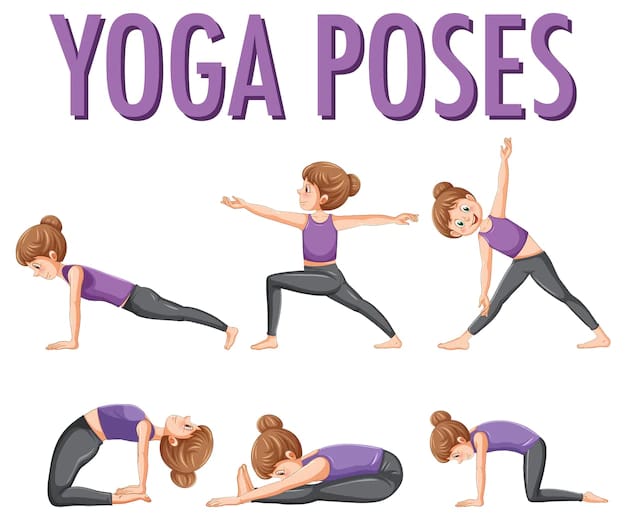
Yoga is an ancient practice that originated in India, which combines physical postures, breathing techniques, and meditation to improve flexibility, balance, and strength. Yoga is a holistic practice that aims to unite the body, mind, and spirit.
There are many different types of yoga, each with its own focus and style. Some of the most popular types include:
Hatha Yoga: This type of yoga is focused on the physical practice of yoga postures and breathing exercises.
Vinyasa Yoga: Also known as "flow" yoga, this type of yoga focuses on moving smoothly and continuously through a series of postures.
Iyengar Yoga: This type of yoga emphasizes the use of props such as blocks and straps to help align the body properly in each posture.
Bikram Yoga: This type of yoga is performed in a heated room, which is said to help loosen muscles and improve flexibility.
Kundalini Yoga: This type of yoga focuses on awakening the energy at the base of the spine through a combination of postures, breathing exercises, and meditation.
Restorative Yoga: This type of yoga is focused on relaxation and rejuvenation, using props such as blankets and bolsters to support the body in each posture.
Ashtanga Yoga: This type of yoga is based on a set sequence of postures, which are practiced in a specific order.
Yoga can be beneficial for people of all ages and fitness levels and can help to improve flexibility, balance, and strength. It also helps with stress reduction and can improve overall well-being.
PILATES:
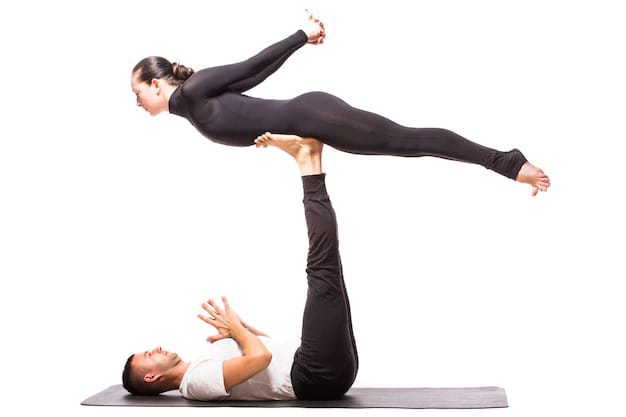
Pilates is a form of low-impact exercise that emphasizes the use of core strength, flexibility, and body control. The Pilates method was developed by Joseph Pilates in the early 20th century as a form of physical therapy and rehabilitation.
The main focus of Pilates is to engage the deep abdominal muscles, known as the "powerhouse," to support the spine and improve overall body alignment. Pilates exercises are typically done on a mat or using specialized equipment, such as the reformer or the Cadillac.
Pilates exercises typically involve a combination of small, precise movements, and controlled breathing. The exercises are designed to work the whole body, with an emphasis on the core muscles of the abdomen, back, and pelvis.
Some examples of Pilates exercises include:
The "Hundred": A classic Pilates exercise that involves pumping the arms while lifting the head and shoulders off the mat.
The "Roll-Up": An exercise that involves raising the head, shoulders, and legs off the mat, using the abdominal muscles to control the movement.
The "Single-Leg Circle": An exercise that works the inner and outer thigh muscles.
The "Swan": An exercise that strengthens the back muscles.
Pilates is a great form of exercise for people of all fitness levels and can help to improve core strength, flexibility, and body control. It also helps to improve posture and can be beneficial for people recovering from injuries.
HIGH-INTENSITY INTERVAL TRAINING (HIIT):
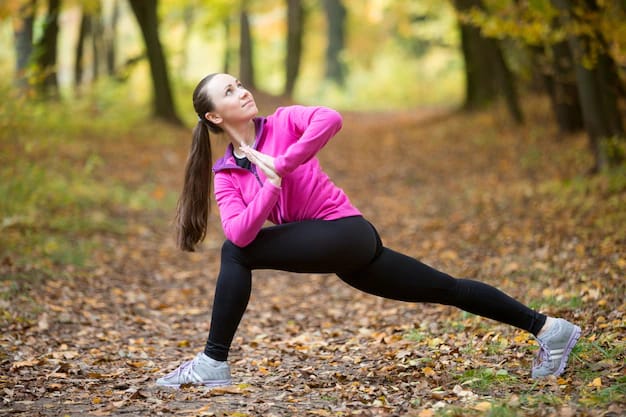
High-Intensity Interval Training (HIIT) is a type of cardio workout that alternates short bursts of intense activity with periods of recovery. The idea behind HIIT is to push your body to its limits during the intense intervals, which can lead to increased cardiovascular fitness and improved endurance.
HIIT can be done using a variety of different exercises, including running, cycling, jumping rope, or using a stair-climbing machine. The intensity and duration of the intervals can be adjusted to suit your fitness level.
A typical HIIT workout might consist of a warm-up, several rounds of intense intervals, and a cool-down.
For example:
Warm-up: 5-10 minutes of light cardio.
Intense intervals: 30 seconds of maximum effort (e.g., sprinting) followed by 30-60 seconds of recovery (e.g., walking or jogging).
Cool-down: 5-10 minutes of light cardio.
HIIT has been shown to be effective for burning fat, increasing cardiovascular fitness and endurance, and improving overall health. It's also important to start with shorter and lower intensity intervals and gradually increase the duration and intensity as your fitness level improves.
FUNCTIONAL TRAINING:

Functional training is a type of exercise that focuses on training the body to perform everyday movements more efficiently. The goal of functional training is to improve strength, stability, balance, and flexibility in a way that translates to real-world activities, such as carrying groceries, climbing stairs, or playing sports.
Functional training often involves exercises that mimic real-life movements, such as lunges, squats, and deadlifts, which work multiple muscle groups at the same time. It also incorporates the use of resistance bands, stability balls, medicine balls, and other equipment to challenge balance and stability.
Functional training can be done using bodyweight exercises, free weights, or resistance bands, and it can be done in a gym or at home.
Examples of functional exercises include:
- Squatting with a medicine ball to improve leg strength and stability
- Lunges with resistance bands to improve balance and stability
- Pull-ups to improve upper body strength and stability
- Planks to improve core strength and stability
Functional training can be beneficial for people of all fitness levels and can help to improve overall fitness, strength, and stability. It can also be beneficial for people recovering from injuries and for athletes looking to improve their performance.
ROCK CLIMBING:

Rock climbing is a sport that involves climbing up natural rock formations or artificial rock walls using specialized equipment and techniques. There are several different types of rock climbing, including traditional climbing, sport climbing, and bouldering.
Traditional climbing, also known as trad climbing, involves placing temporary anchors in the rock as the climber ascends.
Sport climbing, on the other hand, involves pre-placed bolts in the rock that the climber clips into using quickdraws.
Bouldering involves climbing short routes, usually without a rope, on small rock formations or artificial walls.
Rock climbing requires a combination of physical and mental strength, as well as technique, to be successful. It requires a good level of upper body and core strength, as well as flexibility and endurance. Additionally, it requires skillful use of specialized equipment such as ropes, carabiners, and climbing shoes.
Rock climbing can be done both indoors and outdoors, and it can be a solo or a group activity. It can be challenging and demanding, but it can also be very rewarding. It can be a great way to improve cardiovascular fitness, strength, and flexibility, as well as to develop problem-solving skills and mental focus. It's important to be aware of the inherent risks of rock climbing, and take proper safety precautions, such as taking a climbing class, using proper equipment and techniques, and always climbing with a partner.
CALISTHENICS:
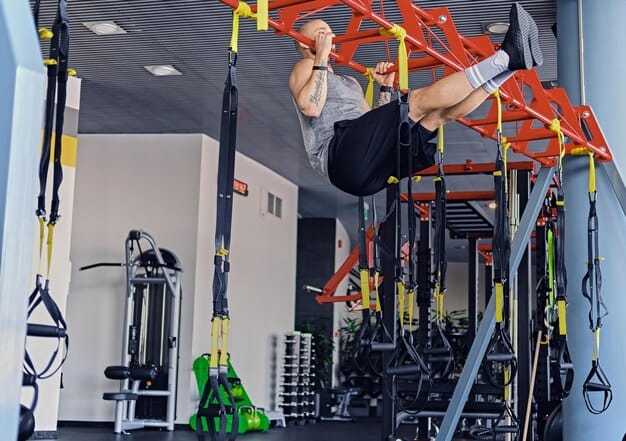
Calisthenics is a form of exercise that uses bodyweight movements to improve strength, flexibility, and cardiovascular fitness. It is a form of strength training that uses minimal equipment, if any, and can be done almost anywhere.
Calisthenics exercises include movements such as push-ups, squats, lunges, pull-ups, and dips. These exercises target different muscle groups and are designed to improve overall fitness and strength. Calisthenics can also be used to improve cardiovascular fitness by performing exercises at a higher intensity for a longer duration.
Calisthenics is a versatile and effective form of exercise that can be done by people of all ages and fitness levels. It can be used to improve overall fitness and can be an effective way to build muscle, burn fat, and improve cardiovascular fitness. It's also a relatively low-impact form of exercise, making it suitable for people who may be recovering from injuries or have certain medical conditions.
DANCE:
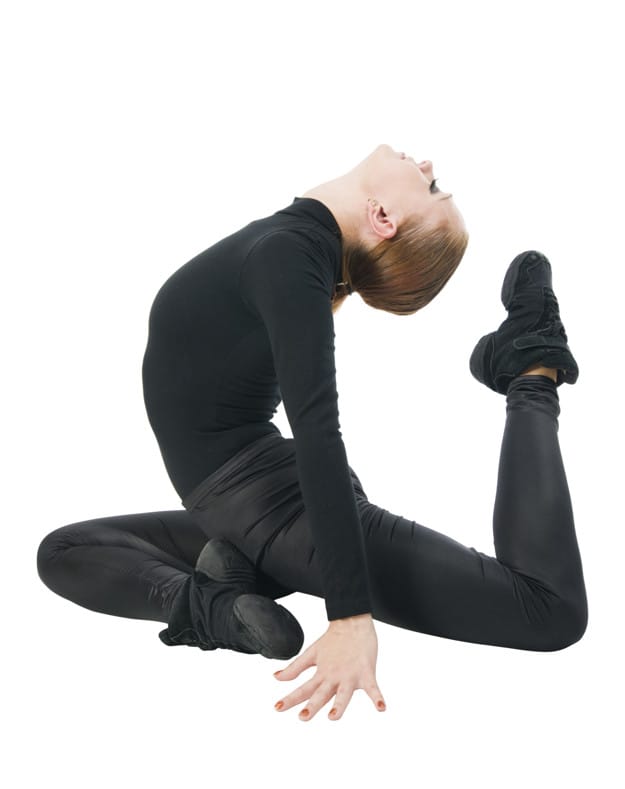
Dance is a form of exercise that involves movement to music. It can be done for leisure, fitness, or as a form of artistic expression. There are many different styles of dance, including ballet, jazz, hip-hop, salsa, and ballroom, each with its own unique set of movements, rhythms, and technical requirements.
Dancing provides a cardiovascular workout and can also help to improve strength, flexibility, and coordination. Different styles of dance can work different muscle groups, such as legs, core, and arms, and can burn a high number of calories.
Dancing is a fun and enjoyable way to get moving and can be done alone or in groups. It can be a great way to express oneself and to release stress. Many people find dancing to be a great way to socialize, and it can be a great way to spend time with friends and family.
Dancing can be enjoyed by people of all ages and fitness levels, but it is important to choose a class or style of dance that is appropriate for your fitness level and to wear appropriate clothes and shoes. Many dance studios and gyms offer classes for different levels and styles, so it's easy to find one that fits your needs. It's also important to start with a beginner's class if you're new to dancing and to not push yourself too hard.
HIKING:
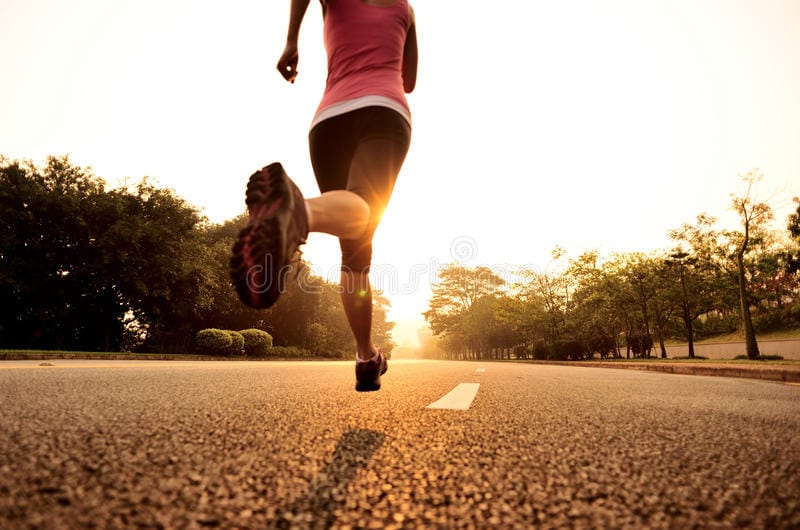
Hiking is a form of exercise that involves walking on natural trails in the outdoors. It can be done on a variety of terrains, from flat and easy to steep and challenging. Hiking can be done for leisure, fitness, or as a way to explore and appreciate nature.
Hiking provides a cardiovascular workout and can also help to improve strength, endurance, and balance. The uneven terrain and inclines of a hike can work different muscle groups, such as legs and core, and can also burn a high number of calories.
Hiking can be done alone or in groups and can be a peaceful and meditative experience. It allows to enjoy the beauty of nature, fresh air, and can have a positive impact on mental well-being. It can also be a great way to spend time with friends and family.
Hiking can be enjoyed by people of all ages and fitness levels, but it is important to be prepared for the hike and to choose a trail that is appropriate for your fitness level. It's also important to bring enough water, snacks and wear appropriate clothes and shoes for the weather and terrain. It's always recommended to let someone know of your plans and when you expect to return, especially if you're going alone.
About the Creator
Siya
Indian recently addicted for writing stories. Wish to continue my efficient stories...
Enjoyed the story? Support the Creator.
Subscribe for free to receive all their stories in your feed.
Comments
There are no comments for this story
Be the first to respond and start the conversation.