
Everything you need to know about hair loss and how to stop it in its tracks
Read the article to find out and get a free prize!

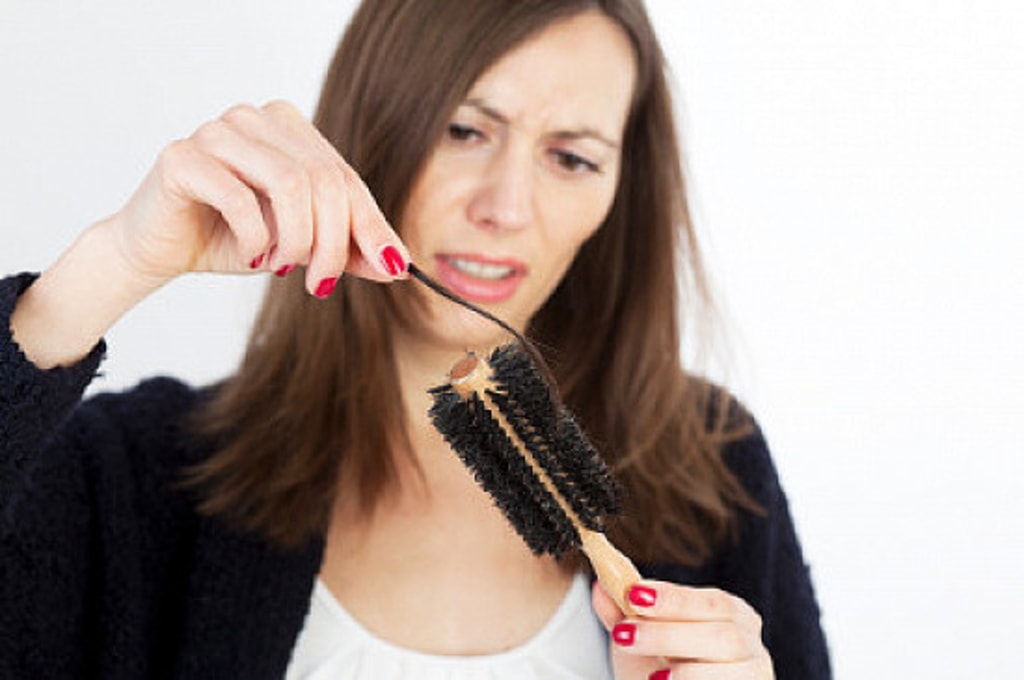
Losing up to 100 strands of hair per day is considered normal, but during the pandemic, many of us have noticed increased hair loss. While hair fall is a normal part of the hair growth cycle, hair loss indicates an issue that impairs the cycle itself. Hair fall refers to the shedding of hair strands, while hair loss involves not only shedding but also a decrease in density. Dr. Satish Bhatia, a cutaneous surgeon based in Mumbai, explains that hair loss occurs when you lose hair and the rate of hair growth declines.
Before continuing to read the article we would like to offer you a totally FREE E-Book about Hair Loss and how to stop it. Follow this link to get it!
If you experience sudden and excessive hair fall, it’s important to try to identify the cause. One common reason is telogen effluvium, a reversible condition in which hair falls out after physical, medical, or emotional stress. This type of hair fall usually starts two to four months after the triggering factor. To stimulate new hair growth during the telogen phase, maintaining a healthy and balanced diet is crucial. Adding more greens, nuts, and seeds to your diet can enhance your nutrition game. Dr. Pankaj Chaturvedi, a consultant dermatologist and hair transplant surgeon at MedLinks, emphasizes that a healthy diet rich in protein, folic acid, biotin, zinc, calcium, minerals, and omega fatty acids forms the foundation of a hair care routine.
Telogen effluvium and androgenetic alopecia are the two most common causes of hair loss. Androgenetic alopecia is related to hormonal and genetic factors, while telogen effluvium is associated with stress. Understanding the hair growth cycle is essential to comprehend hair loss. The cycle consists of three phases: anagen (growth), catagen (transition), and telogen (shedding). Dr. Mona Mislankar, a board-certified dermatologist based in Cincinnati, explains that during the anagen phase, a single hair follicle can exist for two to six years. The telogen phase is a three-month rest period before being replaced by a new anagen hair. Normally, 10–15% of our hairs are in the telogen phase, but various mental or physical stressors (such as pregnancy, surgery, illnesses, infections, or medications) can disrupt this balance and cause a larger number of hairs to enter the resting phase. This leads to a phase of extreme hair shedding lasting two to four months. While losing approximately 100 hairs per day is normal, during telogen effluvium, you may experience up to three times as much hair loss.
To cope with hair loss, it’s crucial to understand that not all hair loss is due to telogen effluvium. Dr. Pankaj Chaturvedi points out that sudden and massive hair loss can also be caused by alopecia areata, an autoimmune disorder. Acute hair fall is always a result of an underlying biological or hormonal issue. When experiencing high levels of emotional stress, our bodies release cortisol, the stress hormone, which signals our hair follicles to shift from the growth phase to the resting phase. The good news is that stress-induced hair fall doesn’t have to be permanent. Finding effective ways to manage stress can reduce hair fall.
Is it possible to stop hair loss? The key is to determine the root cause and address it. If the hair loss is due to a recent fever or illness, there is usually no need to worry, but maintaining a healthy diet is important. However, if the hair loss persists for six months without relief, seeking medical help is recommended. If true bald patches are present, it’s advisable to consult a dermatologist as soon as possible, as there are clinical treatments that can help reverse the process. Treatments such as Platelet Rich Plasma Therapy (PRP therapy), Growth Factor Concentrate Therapy (GFC therapy), and hair mesotherapy can effectively control severe hair loss and promote regrowth.
In terms of hair care, it’s important to be patient and give your hair time to grow back. Avoid harsh chemical treatments and be cautious of excessive washing, brushing, and heat exposure. Using a UV/heat protectant when styling your hair is beneficial. Additionally, using 100% silk pillowcases can reduce hair drying effects and minimize tangling and irritation. Dr. Mislankar suggests switching to a gentler sulphate-free shampoo and a nourishing conditioner. During the shedding phase, it’s important to avoid damaging your hair through rough towel drying, using the wrong brushes, or exposing it to excessive heat from styling tools. A gentle scalp massage once a week can stimulate blood circulation and promote hair growth. Practices such as meditation, yoga, dance, art, journaling, and music can also help build inner resilience and strengthen overall well-being, including hair health.
GET YOUR FREE E-BOOK ON HAIR LOSS NOW: CLICK HERE
About the Creator
Enjoyed the story? Support the Creator.
Subscribe for free to receive all their stories in your feed.
Comments
There are no comments for this story
Be the first to respond and start the conversation.