
Enhancing Medical Weight Loss Programs with Cutting-Edge 3D Body Imaging
Transforming Weight Loss with Advanced 3D Body Imaging Technology

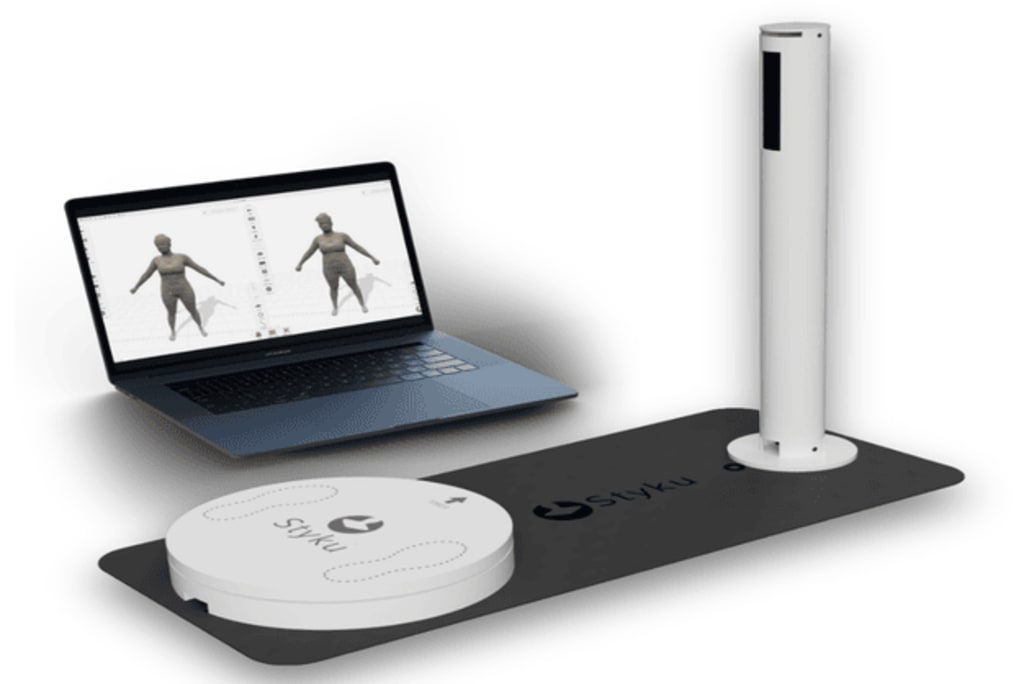
In today's health-conscious world, medical weight loss programs are rapidly evolving. With the increasing demand for personalized healthcare and data-driven approaches, advanced technology is entering the weight loss space. One innovation that's shaking up the scene is 3D body imaging. Not just a buzzword, this technology is transforming the way doctors, nutritionists, and fitness experts design and track weight loss strategies.
In this comprehensive guide, we'll dive deep into how 3D body imaging is elevating medical weight loss programs to a whole new level. From its mechanics to its benefits and integration into clinical practice, you'll get a full understanding of this game-changing tool.
What is 3D Body Imaging?
At its core, 3D body imaging is a technology that creates a three-dimensional representation of the human body. Unlike traditional scales or tape measurements, this technique gives a highly accurate and detailed visualization of body shape, contours, and composition.
Using infrared sensors or structured light, the scanner captures a full-body image within seconds, producing a digital avatar with measurements down to the millimeter. It reveals areas of fat distribution, muscle mass, posture, and even body symmetry — all vital for tailoring an effective medical weight loss plan.
Why Traditional Methods Fall Short
The Body Mass Index (BMI) and weight scales are commonly used to evaluate weight loss, but they lack insight due to their inability to distinguish between muscle and fat and to reflect body changes. 3D body imaging offers precision, addressing these limitations and enhancing the accuracy of these methods.
How 3D Body Scanners Work in Medical Settings
A 3D body scanner medical device is often shaped like a booth or uses a rotating platform. The user simply stands in the scanning area while sensors rotate or project light patterns across the body. In less than a minute, a full-body scan is completed without radiation or invasive procedures.
Once the scan is finished, specialized software processes the data and creates:
- A 360-degree digital model of the body
- Exact circumference and volume measurements
- Heat maps showing changes over time
- Custom analytics for fat loss, posture, and symmetry
These insights are far more valuable than simple before-and-after photos. They allow for objective progress tracking in a way that's impossible with conventional tools.
Integration of 3D Imaging into Medical Weight Loss Programs
Incorporating 3D body scanning into a clinical weight loss setting revolutionizes how progress is monitored and interventions are planned. Instead of relying solely on weight loss numbers, medical professionals can tailor plans based on body composition, fat distribution, and shape transformation.
Here's how it fits in seamlessly:
- Initial Assessment: A baseline scan captures the patient's starting point with high detail.
- Customized Planning: Physicians use scan data to design diet, workout, and treatment plans specific to the patient's body shape and goals.
- Progress Tracking: Regular scans help adjust strategies based on how the body is changing, not just the number on the scale.
- Motivation & Visualization: Patients can see their 3D models evolve, which offers a powerful psychological boost.
Real-World Use: Washington Trim Clinic Leads the Way
The Washington Trim Clinic is a medically supervised weight loss center that uses 3D scanning technology to offer personalized care plans based on real-time body data. The clinic's clients benefit from programs that account for muscle gain, fat loss, and posture improvements. The 3D visual progression helps patients stay engaged and committed, making the process both scientific and motivating.
Benefits for Patients Under Medical Supervision
For patients enrolled in supervised weight loss programs, the advantages of 3D imaging are significant:
- Accurate Measurements: No more guessing sizes or relying on inaccurate home tools.
- Better Compliance: Visual proof of results boosts adherence to programs.
- Injury Prevention: Postural assessments help identify imbalances that could lead to injury during exercise.
- Tailored Support: Nutrition and fitness plans are based on real-time changes in the body.
- Holistic Health Monitoring: Track not just weight but how shape, symmetry, and posture evolve.
Role of 3D Imaging in Obesity Treatment
A 3D body scan is a valuable tool for treating obesity, allowing doctors to identify stubborn fat areas, measure visceral fat levels, and make informed decisions about pharmacological or surgical interventions. It also aids in monitoring post-surgical weight loss programs, allowing surgeons and nutritionists to determine if additional adjustments are needed.
Encouraging Long-Term Lifestyle Change
Maintaining progress in weight loss is a significant challenge, as many people revert to old habits due to lack of progress. A 3d body scan for weight loss can help combat this by providing ongoing evidence of improvement, even when the scale stalls. This visual feedback motivates sustainable lifestyle transformation by revealing small changes in posture, waistline, or tone.
The Future of Medical Weight Loss with 3D technology
As the healthcare industry leans more into personalized medicine, tools like the 3D body scanner medical systems are poised to become standard. In the future, we may see these scanners integrated with:
- AI-based coaching apps
- Real-time nutrition tracking
- Wearable devices for biometric syncing
- Virtual consultations using scan data
These advancements would allow practitioners to deliver fully tailored programs remotely, breaking down barriers to access and consistency.
Why More Clinics Like Washington Trim Clinic are Adopting 3D imaging
The success of Washington Trim Clinic in integrating 3D imaging into its weight loss programs has set an example for other clinics to follow. By prioritizing technology, personalization, and accuracy, they are helping reshape what modern medical weight loss looks like — results-driven, patient-centered, and incredibly effective.
Conclusion
3D body imaging is a revolutionary tool in medical weight loss, offering precise, engaging visual feedback and integration with health tech. It provides patients and providers with a richer understanding of progress and health. Healthcare professionals can use a 3d body scan for weight loss to create better plans, inspire change, and help people achieve their health goals in a smarter, more personalized way. The future of weight loss is 3D.
About the Creator
Washington Trim Clinic
Achieve your weight loss goals with Washington Trim Clinic’s transparent and affordable treatment options. Our customized, FDA-approved solutions help you shed pounds and improve your health without breaking the bank. Visit our website!
Enjoyed the story? Support the Creator.
Subscribe for free to receive all their stories in your feed.
Comments
There are no comments for this story
Be the first to respond and start the conversation.