
Enhancing Comfort: The Importance of Retirement Home Accessibility for Seniors
Retirement Home
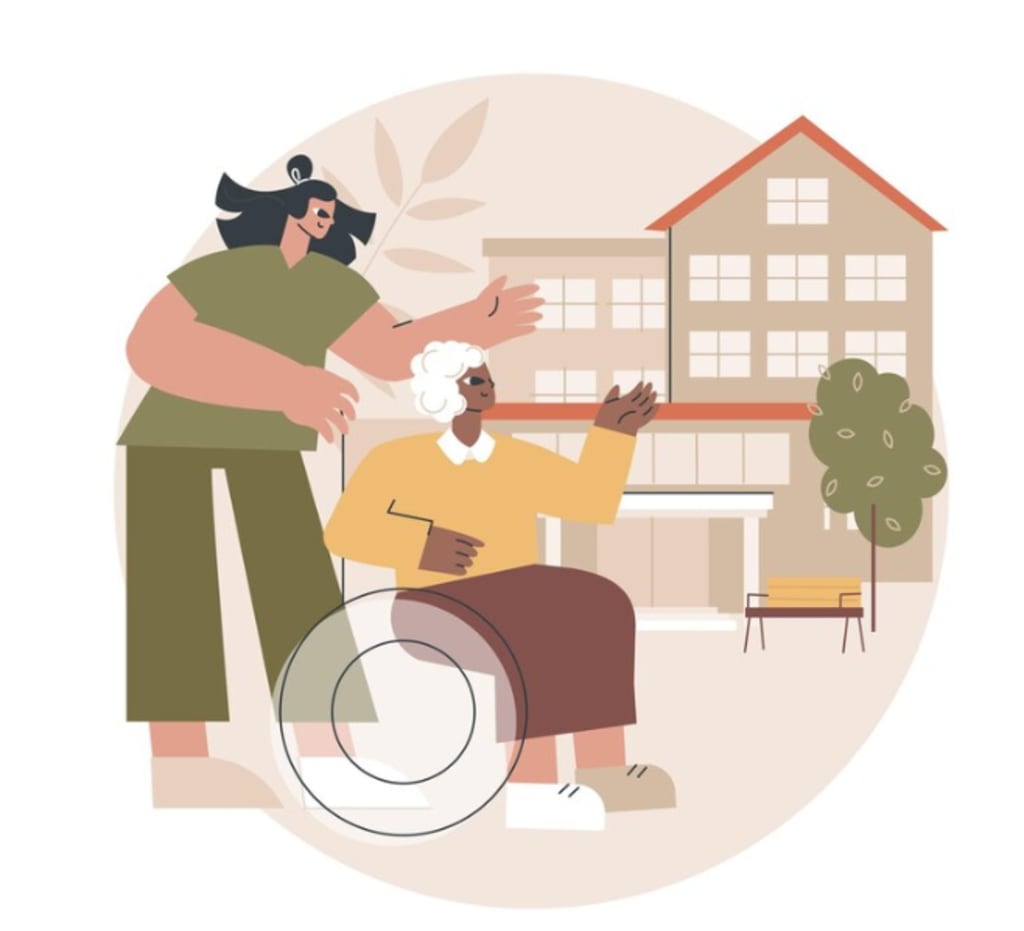
As the global population continues to age, the importance of creating spaces that cater to the needs of seniors has never been greater. Among these spaces, retirement homes play a pivotal role in ensuring that older adults live comfortably, and with dignity, and can continue to thrive in a supportive environment. One of the most crucial aspects of these facilities is accessibility. Ensuring that a retirement home is accessible to seniors isn’t just a matter of convenience—it directly impacts their physical and emotional well-being.
In this blog post, we will explore why accessibility is a fundamental element of retirement home design, how it benefits residents, and provide insights on how retirement homes can enhance comfort and safety through thoughtful accessibility features.
The Growing Need for Accessible Retirement Homes
By 2030, one in five people in the U.S. will be 65 or older, making the need for senior housing solutions increasingly critical. As individuals age, their physical and cognitive abilities often change, creating the need for environments that can accommodate these shifts. Accessible retirement homes ensure that seniors can live independently for as long as possible while receiving the support they need. Accessibility is not just about mobility; it also encompasses cognitive and sensory challenges that many seniors face.
In many cases, seniors transitioning into retirement homes may have limited mobility, use wheelchairs, or suffer from conditions like arthritis or dementia. The environment they inhabit can have a huge impact on their health outcomes. Without proper accessibility features, these individuals may experience increased difficulty navigating their surroundings, which can lead to accidents, falls, or a decreased quality of life.
The Benefits of Accessible Retirement Home Design
1. Physical Safety
One of the most immediate concerns for seniors is the risk of falls. The Centers for Disease Control and Prevention (CDC) report that one out of four Americans aged 65 and older falls each year, and falls are the leading cause of injury-related deaths in this age group. Accessible design elements such as non-slip floors, handrails, ramps, wider doorways, and well-lit corridors can significantly reduce the likelihood of falls and ensure a safe living environment for seniors.
Bathrooms and kitchens are two of the most hazardous areas for seniors, so features like grab bars, shower chairs, and accessible countertops can make a tremendous difference. Wheelchair-friendly spaces, with clear and wide paths, make it possible for seniors to move freely and independently within their homes. In addition to these safety features, incorporating technology like emergency call systems or wearable devices can provide an extra layer of security.
2. Improved Mobility and Independence
Retirement home accessibility is about more than preventing accidents; it’s about allowing seniors to lead fulfilling, independent lives. When seniors can navigate their environment easily, they are more likely to engage in activities, interact with other residents, and maintain a higher level of autonomy. Mobility aids, such as ramps, stair lifts, or elevators, allow individuals with limited mobility to move about their living spaces with ease.
By ensuring that common areas—such as dining rooms, activity rooms, and lounges—are wheelchair-accessible, retirement homes can promote social interaction and reduce feelings of isolation. These spaces should be designed with open layouts that allow for easy navigation, giving seniors the freedom to move around without the need for constant assistance.
3. Cognitive Accessibility
For seniors with cognitive impairments, including those with Alzheimer’s disease or other forms of dementia, the physical environment plays an essential role in their ability to function independently. Accessible design must also consider cognitive challenges, incorporating clear signage, simple layouts, and color contrasts to help residents find their way around.
Color-coded areas or textured pathways can help seniors with visual or cognitive impairments identify spaces and avoid confusion. Features like memory boxes, which display personal items near residents' rooms, can also help them feel more at home and provide comforting visual cues.
Incorporating sensory elements, such as adjustable lighting, noise reduction strategies, and temperature controls, can provide a more comfortable and calming atmosphere for those with sensory sensitivities. These thoughtful details can improve the overall well-being and quality of life for seniors who may struggle with the environmental factors of a standard retirement home.
4. Social and Emotional Well-Being
The design of a retirement home affects more than just physical comfort—it also has a profound impact on emotional health. A space that is accessible and easy to navigate fosters a sense of independence and autonomy, which is crucial for maintaining mental and emotional well-being. When seniors feel empowered to move through their environment without fear or frustration, they are more likely to experience higher levels of self-esteem and satisfaction.
Additionally, retirement homes with accessible designs can better accommodate social interaction. Spaces that encourage gatherings, such as lounges, dining areas, or gardens, are essential for combating loneliness, which is a major concern for aging adults. Accessible spaces allow residents to enjoy social activities, stay engaged in community life, and build relationships, all of which contribute to their emotional and psychological health.
Key Features for Enhancing Accessibility in Retirement Homes
Retirement homes should incorporate a wide range of features to enhance accessibility and comfort for seniors. Some of the most important considerations include:
Wide Doorways and Hallways: These ensure that residents, particularly those using wheelchairs or walkers, can easily navigate their rooms and common areas.
Non-Slip Flooring: Flooring that reduces the risk of slipping, particularly in high-traffic areas such as bathrooms and kitchens, is essential.
Handrails and Grab Bars: Installing these in key areas like bathrooms and hallways provides stability and support for seniors with mobility challenges.
Ramps and Elevators: Ensuring that ramps or elevators are available in multi-story buildings allows individuals with limited mobility to move between floors safely and independently.
Accessible Kitchens and Bathrooms: Features such as lowered countertops, open under-sink areas for wheelchair access, and roll-in showers make daily tasks easier and safer for seniors.
Clear Signage and Wayfinding: Large, easy-to-read signs with simple language and visuals help seniors navigate the retirement home with confidence.
Adjustable Lighting and Temperature Control: These features accommodate the changing sensory needs of older adults, providing both physical comfort and reducing agitation for those with cognitive conditions.
Emergency Systems and Technology: Fall detection systems, call buttons, and emergency alerts ensure that seniors can receive help quickly in times of need, providing peace of mind for both residents and their families.
Conclusion
Accessibility is an integral part of creating a retirement home that meets the needs of all seniors. By considering the physical, cognitive, and emotional needs of residents, retirement homes can enhance comfort, safety, and quality of life. Accessibility doesn’t just mean making a space easier to navigate—it means ensuring that seniors can maintain their independence, engage in social activities, and live with dignity.
As we continue to witness the aging of the population, the importance of investing in accessible retirement homes will only grow. By prioritizing these design elements, retirement homes can help seniors live their golden years with confidence, comfort, and the sense of community they deserve.
About the Creator
Enjoyed the story? Support the Creator.
Subscribe for free to receive all their stories in your feed.
Comments
There are no comments for this story
Be the first to respond and start the conversation.