
Effective Pain Management: Understanding Your Options
Discover effective pain management solutions at The Pain Control Center. Explore personalized treatments, from medication to interventional procedures, and regain control over your well-being. Schedule a consultation today!
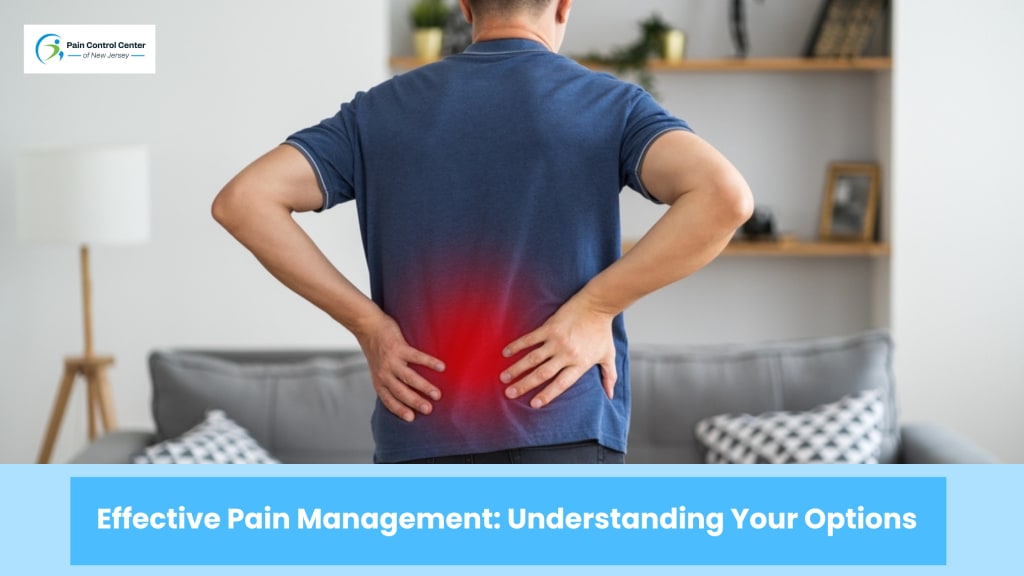
Living with chronic or acute pain can be physically and emotionally challenging. Pain can impact daily activities, mental well-being, and overall quality of life. Fortunately, advancements in pain management offer various solutions to help individuals find relief. At The Pain Control Center, we specialize in tailored treatments to help you regain control over your health and well-being.
What Is Pain Management?
Pain management involves a range of techniques and therapies designed to alleviate pain and enhance overall well-being. The approach varies based on the type, severity, and underlying cause of pain. A comprehensive pain management plan may include medications, physical therapy, lifestyle adjustments, and interventional procedures to provide long-term relief.
Types of Pain We Treat
- Chronic Pain: This type of pain lasts for months or years and can significantly impact daily life. Conditions like arthritis, fibromyalgia, and neuropathy are common causes of chronic pain.
- Acute Pain: Unlike chronic pain, acute pain is temporary and usually results from injuries, surgeries, or medical procedures. It often resolves with proper treatment.
- Neuropathic Pain: This pain occurs due to nerve damage and is commonly linked to conditions like diabetes, multiple sclerosis, and spinal cord injuries.
- Musculoskeletal Pain: Related to joints, muscles, and bones, this type of pain includes conditions such as back pain, arthritis, and tendonitis.
- Post-Surgical Pain: After undergoing surgery, some patients may experience prolonged pain that requires specialized management.
- Cancer-Related Pain: Individuals undergoing cancer treatment or living with cancer may experience severe pain that requires targeted pain relief strategies.
Pain Management Techniques
Pain relief strategies vary based on individual needs and the underlying cause of pain. A multidisciplinary approach is often the most effective in addressing pain from multiple angles. Below are some common pain management techniques:
1. Medication-Based Treatments
Medications are often the first line of treatment in pain management. Depending on the type and severity of pain, different classes of medications may be prescribed:
- Nonsteroidal Anti-Inflammatory Drugs (NSAIDs): These medications help reduce inflammation and alleviate mild to moderate pain. Examples include ibuprofen and naproxen.
- Acetaminophen: Often used for mild pain relief, acetaminophen is a common over-the-counter medication that can help manage headaches and muscle aches.
- Muscle Relaxants: These medications help relieve muscle spasms and stiffness, commonly used for back pain and fibromyalgia.
- Topical Treatments: Gels, creams, and patches containing analgesics or anti-inflammatory agents can provide localized relief for conditions like arthritis and nerve pain.
- Opioid Medications: In cases of severe pain, opioids may be prescribed under strict medical supervision. These medications require careful monitoring due to their potential for dependence.
- Antidepressants and Anticonvulsants: Certain medications originally developed for depression and epilepsy can be effective in treating neuropathic pain by altering pain perception.
2. Interventional Pain Procedures
For patients who do not respond to medication alone, interventional pain procedures may be recommended. These include:
- Nerve Blocks: Injections that target specific nerves to block pain signals and provide relief for conditions such as migraines and nerve pain.
- Epidural Steroid Injections: Commonly used for spinal pain and inflammation, these injections help reduce swelling and alleviate pain in the back and neck.
- Radiofrequency Ablation (RFA): This procedure uses heat to disrupt pain signals from nerves, providing long-lasting relief for chronic pain conditions.
- Trigger Point Injections: Used to relieve pain from muscle knots and tension, often recommended for conditions like fibromyalgia.
- Spinal Cord Stimulation: A small device is implanted near the spinal cord to send electrical impulses that interfere with pain signals before they reach the brain.
- Joint Injections: These injections help reduce inflammation and pain in joints affected by arthritis or injury.
3. Physical Therapy and Rehabilitation
Physical therapy plays a vital role in pain management by improving mobility, strength, and flexibility. Common therapies include:
- Strength Training: Helps improve muscle support around joints, reducing strain and preventing future injuries.
- Stretching Exercises: Enhances flexibility and reduces stiffness, particularly for individuals with arthritis or chronic pain conditions.
- Postural Corrections: Helps maintain proper alignment of the spine and reduces pain caused by poor posture.
- Hydrotherapy: Water-based therapy that reduces joint stress and improves movement for individuals with mobility limitations.
- Manual Therapy: Techniques such as massage and manipulation help relieve muscle tension and promote relaxation.
4. Alternative and Complementary Therapies
Non-traditional approaches can also provide significant relief and improve overall well-being. Some effective alternative therapies include:
- Acupuncture: A traditional Chinese medicine technique that stimulates specific points in the body to relieve pain and improve circulation.
- Chiropractic Care: Spinal adjustments and manipulations help realign the spine, reducing pressure on nerves and relieving pain.
- Mind-Body Techniques: Practices such as meditation, yoga, and guided relaxation help manage stress-related pain and enhance mental well-being.
- Heat and Cold Therapy: Applying heat or cold packs can help reduce pain and inflammation for various conditions.
- Dietary Modifications: Certain foods have anti-inflammatory properties that can help manage chronic pain conditions like arthritis.
When to Seek Professional Pain Management
While occasional pain can be managed with self-care and over-the-counter remedies, persistent or severe pain requires professional intervention. Signs that indicate the need for specialized pain management include:
- Pain lasting longer than three months
- Difficulty performing daily activities due to pain
- Pain that worsens over time
- Dependency on pain medications without relief
- Sleep disturbances due to pain
- Emotional distress caused by chronic pain
Seeking timely medical care can prevent pain from worsening and help restore your quality of life.
Personalized Pain Care at The Pain Control Center
At The Pain Control Center, we understand that pain affects each individual differently. That’s why we take a personalized approach to pain management, tailoring treatments to meet your specific needs. Our team of experienced specialists utilizes advanced techniques to provide lasting relief and improve your overall well-being.
Whether you are dealing with chronic pain, recovering from surgery, or seeking alternatives to medication, our comprehensive pain management solutions can help you regain control of your life. Don’t let pain dictate your daily activities—take the first step toward relief today.
Contact Us Today
If you or a loved one is struggling with pain, The Pain Control Center is here to help. Schedule a consultation with our expert team to explore your treatment options and find the best path to pain relief. Let us help you achieve a healthier, pain-free life.
About the Creator
The Pain Control Center
The Pain Control Center of New Jersey offers innovative and non-surgical pain management treatments to help you overcome chronic pain.
Enjoyed the story? Support the Creator.
Subscribe for free to receive all their stories in your feed.
Comments
There are no comments for this story
Be the first to respond and start the conversation.