
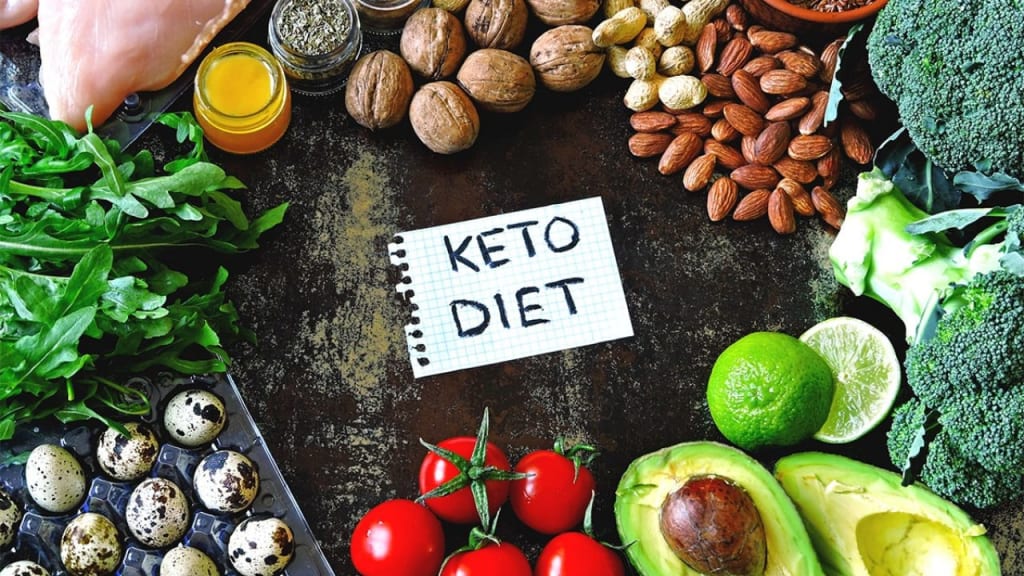
The Ketogenic Diet, commonly referred to as the Keto Diet, is a high-fat, low-carbohydrate diet that has gained popularity in recent years. It has been shown to provide numerous health benefits, including weight loss, improved mental clarity, and better blood sugar control. In this review, we will explore the various factors and benefits of the Keto Diet.
Firstly, let's delve into what the Keto Diet entails. The diet is characterized by a high intake of healthy fats, moderate protein, and very low carbohydrate intake. The aim is to force the body into a metabolic state called ketosis, where the body switches from using glucose (from carbohydrates) as its primary energy source to using ketones (from fat) instead.
The standard Keto Diet typically consists of 70-75% fat, 20-25% protein, and 5-10% carbohydrates. This usually equates to around 20-50 grams of carbohydrates per day, depending on the individual's needs and goals.
One of the primary benefits of the Keto Diet is weight loss. By significantly reducing carbohydrate intake, the body is forced to burn stored fat for fuel, resulting in weight loss. Additionally, the high-fat content of the diet can help keep individuals feeling fuller for longer, reducing overall calorie intake.
Another benefit of the Keto Diet is improved mental clarity. Many individuals report feeling more focused and alert on the diet, due in part to the increased production of ketones in the brain. This can be particularly beneficial for those with neurological conditions such as epilepsy or Alzheimer's disease.
The Keto Diet has also been shown to improve blood sugar control. By reducing carbohydrate intake and increasing fat intake, blood sugar levels remain stable throughout the day, reducing the need for insulin production. This can be especially beneficial for individuals with type 2 diabetes, who struggle with high blood sugar levels.
In addition to these benefits, the Keto Diet has also been shown to improve cardiovascular health. Studies have shown that the diet can reduce blood pressure, lower triglyceride levels, and increase HDL cholesterol (the "good" cholesterol). This can reduce the risk of heart disease, stroke, and other cardiovascular conditions.
The Keto Diet has also been shown to have anti-inflammatory effects. Inflammation is a key factor in many chronic diseases, including arthritis, diabetes, and even cancer. By reducing carbohydrate intake and increasing fat intake, the Keto Diet can help reduce inflammation in the body, leading to improved overall health.
However, it is important to note that the Keto Diet is not without its drawbacks. The diet can be difficult to adhere to, as it requires strict monitoring of carbohydrate intake and a high intake of healthy fats. This can be challenging for those who are used to eating a high-carbohydrate diet.
Additionally, the Keto Diet can lead to nutrient deficiencies if not properly planned and monitored. Carbohydrates are a primary source of many vitamins and minerals, and reducing carbohydrate intake can lead to deficiencies if not replaced with other nutrient-rich foods.
The high-fat content of the Keto Diet can also be a concern for some individuals, as it can lead to an increased risk of heart disease if the majority of fats consumed are saturated or trans fats. However, if the diet is properly planned and includes a variety of healthy fats such as those found in nuts, seeds, and fatty fish, this risk can be minimized.
One important aspect of the Keto Diet is the emphasis on healthy fats. While the diet is high in fat, it is important to choose healthy sources of fat such as avocados, nuts, seeds, olive oil, and fatty fish like salmon. These fats provide important nutrients like omega-3 fatty acids, which have been shown to have numerous health benefits, including reducing inflammation and improving brain function.
In addition to healthy fats, it is important to consume adequate protein on the Keto Diet. Protein is important for maintaining muscle mass and promoting satiety, or a feeling of fullness. However, it is important to choose lean sources of protein like chicken, turkey, fish, and plant-based sources like tofu and legumes. Too much protein can actually kick the body out of ketosis, so it is important to find the right balance.
Another important factor to consider on the Keto Diet is hydration. When the body is in ketosis, it can lead to increased water loss through urine and sweat. This can lead to dehydration if adequate fluids are not consumed. It is important to drink plenty of water throughout the day, and to consume electrolytes like sodium, potassium, and magnesium to maintain proper hydration levels.
The Keto Diet can also be adapted to suit different lifestyles and dietary preferences. For example, those following a vegetarian or vegan diet can still follow the Keto Diet by focusing on plant-based sources of fat and protein. This can include nuts, seeds, avocado, coconut oil, tofu, and tempeh. There are also numerous resources and recipe ideas available for those following the Keto Diet, making it easier to stick to and maintain.
Finally, it is important to note that the Keto Diet may not be suitable for everyone. Individuals with certain medical conditions, such as liver or kidney disease, may not be able to safely follow the diet. Additionally, pregnant or breastfeeding women should consult with their healthcare provider before beginning the diet.
In conclusion, the Keto Diet is a high-fat, low-carbohydrate diet that has been shown to provide numerous health benefits. It is important to focus on healthy sources of fat and protein, stay properly hydrated, and adapt the diet to suit individual needs and preferences. As with any diet, it is important to speak with a healthcare professional before beginning, and to listen to your body to ensure that the diet is working for you.
In conclusion, the Keto Diet is a high-fat, low-carbohydrate diet that has been shown to provide numerous health benefits. These benefits include weight loss, improved mental clarity, better blood sugar control, improved cardiovascular health, and anti-inflammatory effects. However, the diet can be challenging to adhere to and can lead to nutrient deficiencies if not properly planned and monitored. As with any diet, it is important to speak with a healthcare professional before beginning the journey !
You can view a keto meal plan by visiting this link-
https://www.digistore24.com/redir/283755/CallumT/
About the Creator
Enjoyed the story? Support the Creator.
Subscribe for free to receive all their stories in your feed.
Comments
There are no comments for this story
Be the first to respond and start the conversation.