
Early Signs of Diabetes You Should Never Ignore
Learn how to spot the first warning signals of diabetes and why seeing a diabetes specialist early can protect your long-term health.

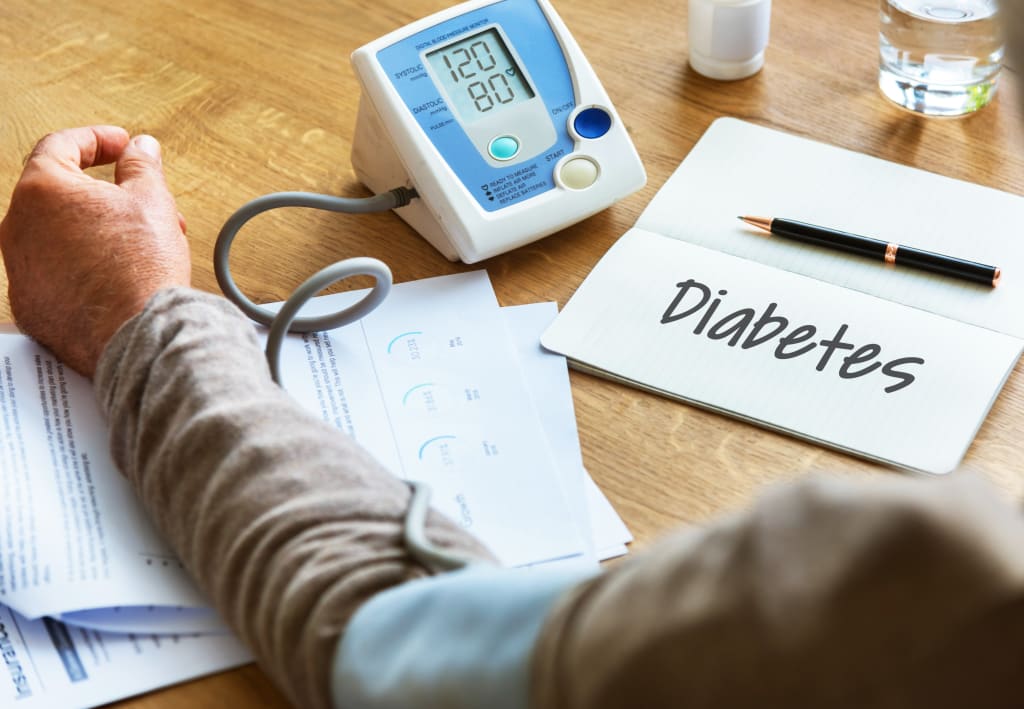
Many people visit a diabetes specialist only after their symptoms become serious. But diabetes usually begins slowly, with early signs that are subtle and easy to overlook. Because these signs feel “normal” or temporary, people delay checkups — sometimes until it’s too late. Identifying the early symptoms of diabetes can save you from major health problems and help you manage the condition effectively.
In this article, we’ll explore the early warning signs of diabetes, why they happen, and when to seek help from a doctor.
Why Early Detection Matters
Diabetes is often called a “silent disease” because it develops gradually. For months — or even years — your body may be struggling with high blood sugar without you realising it. If ignored, it can lead to complications like heart problems, kidney damage, or vision loss.
But the good news is: if you catch diabetes in its early stage (called prediabetes or early type 2 diabetes), lifestyle changes and treatment can make a big difference. Many people even reverse their risk by acting early.
1. Excessive Thirst and Frequent Urination
One of the first things people notice is feeling thirsty all the time. High sugar levels force your kidneys to work harder, pulling water from your body to flush out the extra glucose. This makes you drink more — and as a result, you urinate more.
👉 Example: Imagine waking up 3–4 times at night just to use the bathroom, or carrying a water bottle everywhere because your mouth feels dry no matter how much you drink.
2. Unexplained Weight Changes
Diabetes affects how your body uses energy. When your cells don’t get enough glucose, your body starts breaking down muscle and fat for fuel. This can lead to sudden weight loss.

On the other hand, some people experience weight gain due to insulin resistance.
👉 Example: A person eating their usual meals may lose 4–5 kg within a month, or someone may gain belly fat without changing their diet. Both are red flags.
3. Persistent Fatigue
Do you feel drained even after sleeping well? High blood sugar prevents your cells from absorbing energy properly, leaving you tired.
👉 Example: Finishing breakfast but still feeling like you need a nap, or struggling to stay awake during work meetings.
Fatigue is easy to blame on stress or long hours, but if it happens daily, it’s worth checking your sugar levels.
4. Blurred Vision
When sugar levels spike, fluids are pulled from tissues — including the lenses of your eyes. This affects your ability to focus, causing blurry or double vision.

👉 Example: Needing stronger glasses within a short time or struggling to read small print that was clear a few weeks ago.
If untreated, diabetes can cause long-term eye damage, so don’t ignore this symptom.
5. Slow-Healing Wounds and Frequent Infections
High blood sugar weakens your immune system and slows circulation, meaning cuts, bruises, or infections take longer to heal.
👉 Example: A small cut on your foot still looks fresh after 10 days, or you get frequent skin or gum infections.
This is a major red flag, especially if combined with other symptoms.
6. Tingling or Numbness in Hands and Feet
Diabetes can damage nerves, especially in the extremities. Early signs include tingling, numbness, or a “pins-and-needles” feeling in your feet or hands.
👉 Example: Sitting at your desk and suddenly feeling your feet go numb, even though you’re not sitting in an awkward position.
This condition is called diabetic neuropathy, and it worsens if ignored.
7. Increased Hunger
It may sound strange, but some people feel hungrier when blood sugar is high. Because your body can’t properly use glucose, it sends signals for more food, even after you’ve just eaten.
👉 Example: Finishing a full lunch but feeling hungry again within an hour.
Constant hunger, paired with fatigue and thirst, is a clear warning sign.
8. Dry Skin and Itching
High sugar levels pull moisture from your skin, leaving it dry, flaky, and itchy. Poor circulation also makes your skin more prone to infections.
👉 Example: Persistent itching around your hands, feet, or private areas that doesn’t improve with regular creams.
When Should You See a Diabetes Specialist?
If you notice one or more of these symptoms, don’t wait. Many people delay testing because they feel “fine otherwise,” but diabetes progresses silently. A diabetes specialist can perform simple tests like fasting blood sugar, HbA1c, or an oral glucose tolerance test to check your levels.
The sooner you get diagnosed, the sooner you can start treatment and lifestyle changes that reduce the risk of complications.
Simple Steps to Reduce Your Risk
- While only a doctor can confirm diabetes, here are some steps that can help manage blood sugar and overall health:
- Balanced Diet: Include whole grains, vegetables, lean proteins, and cut down on refined sugar.
- Regular Exercise: Even 30 minutes of walking daily improves insulin sensitivity.
- Weight Management: Maintaining a healthy weight lowers your risk of type 2 diabetes.
- Routine Check-ups: Especially important if diabetes runs in your family.
Final Thoughts
Diabetes doesn’t happen overnight. Your body sends out small signals — thirst, fatigue, vision changes, slow-healing wounds — long before it becomes dangerous. The key is listening to those signals and seeking help on time.
Don’t ignore these warning signs. Consult a diabetes specialist if you notice them. With the right medical advice and lifestyle changes, you can manage diabetes effectively and live a healthy, active life.
About the Creator
Sanidhya Clinic
Sanidhya Clinic has the best endocrinologist and diabetologist in Vadodara, Gujarat for diabetes, thyroid, hormonal disorders and pediatric metabolic disorders.
Enjoyed the story? Support the Creator.
Subscribe for free to receive all their stories in your feed.
Comments
There are no comments for this story
Be the first to respond and start the conversation.