
Dust Busters: The Power of Air Purifiers in Creating a Cleaner Home
1. Understanding the Dust Dilemma 1.1. Sources of household dust Let's face it, dust is everywhere! It's like that uninvited guest that shows up at every party. In our homes, dust comes from all sorts of places. Dead skin cells (ew, I know), pet dander, fabric fibers from our clothes and furniture, and even tiny particles that sneak in from outside. I once left my windows open on a windy day and came back to find a thin layer of dust on everything. Lesson learned! 1.2. Health implications of dust exposure Dust isn't just annoying; it can be a real pain for our health too. For people with allergies or asthma (like my cousin Sarah), dust can trigger sneezing fits, itchy eyes, and breathing problems. Even if you don't have allergies, breathing in dust all the time isn't great for your lungs. It's like your body is constantly working overtime to filter out these tiny invaders. 1.3. Challenges in traditional dust removal methods Dusting and vacuuming are like chasing a ghost - you think you've got it all, but turn around and there it is again! I can't tell you how many times I've dusted my bookshelf only to find it covered again in a day or two. And let's not even talk about those hard-to-reach spots behind the TV or under the bed. It's enough to make you want to throw in the towel (or the duster, in this case). 2. The Science Behind Air Purifiers 2.1. How air purifiers work Air purifiers are like superheroes for your home's air. They suck in the air around them, filter out the bad stuff (including our nemesis, dust), and then release clean air back into the room. It's like giving your air a spa day! 2.2. Types of filtration systems There are a few different types of filters that air purifiers use. HEPA filters are the gold standard - they can catch super tiny particles. Then there are activated carbon filters, which are great for odors (perfect for when you burn dinner, not that I've ever done that...). Some purifiers even use UV light to zap bacteria and viruses. It's like having a mini science lab working for you 24/7. 2.3. Efficiency ratings and what they mean When shopping for air purifiers, you'll see all sorts of numbers and ratings. CADR (Clean Air Delivery Rate) tells you how quickly the purifier can clean the air. MERV ratings indicate how well the filter catches particles. Higher numbers are generally better, but don't worry too much about the technicalities. Just think of it like grades in school - the higher, the better! 3. Choosing the Right Air Purifier for Dust Control 3.1. Assessing your space and needs Before you go air purifier shopping, take a look around your home. How big are your rooms? Do you have pets? Are you a smoker? All these factors play a role in choosing the right purifier. It's like picking out a new outfit - you want something that fits just right and suits your lifestyle. 3.2. Key features to look for in dust-fighting air purifiers When it comes to battling dust, look for purifiers with HEPA filters. They're like the special forces of the air cleaning world. Also, consider features like multiple fan speeds (for when you need a quick clean or a quieter operation) and filter change indicators (because who can remember when they last changed a filter?). 3.3. Balancing cost and performance I know, air purifiers can be pricey. But think of it as an investment in your health and home. You don't need to break the bank, though. There are some great mid-range options that do a fantastic job. It's like buying a car - you want something reliable that gets the job done, but you don't necessarily need all the fancy bells and whistles.
4. Maximizing Air Purifier Effectiveness
4.1. Optimal placement in your home
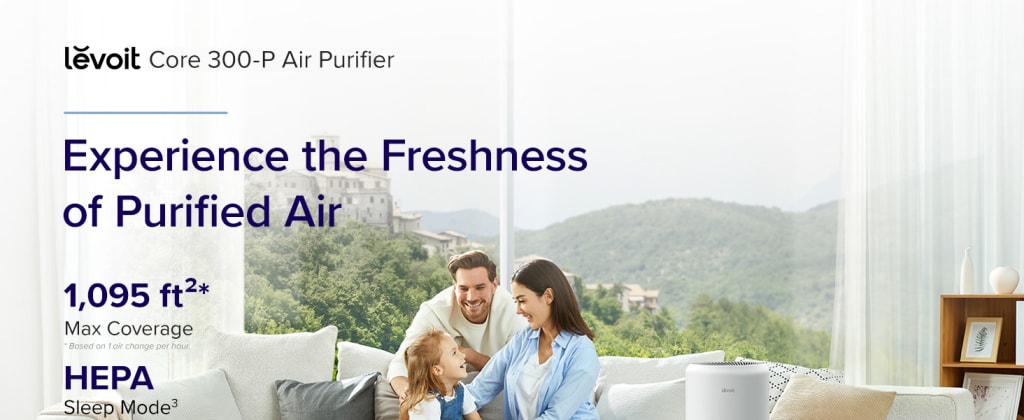
Placing your air purifier is kind of like arranging furniture - you want to put it where it'll do the most good. Generally, areas with high traffic or where you spend a lot of time are ideal. I put mine in the living room, right where all the action happens. Just make sure it's not blocked by curtains or furniture - your purifier needs room to breathe too!
4.2. Maintenance and filter replacement schedules
Keeping your air purifier in tip-top shape is crucial. Think of it like changing the oil in your car - regular maintenance keeps everything running smoothly. Most purifiers will tell you when it's time for a new filter, but it's good to check every few months. And don't forget to give the outside a good wipe-down now and then. A clean purifier is a happy purifier!
4.3. Complementary dust reduction strategies
Air purifiers are great, but they're not magic. Combining them with other dust-busting tactics can really up your game. Regular vacuuming, using doormats, and keeping windows closed on high-pollen days all help. It's like teamwork - your air purifier is the star player, but it needs a good support team to win the game against dust.
5. Real-world Benefits of Using Air Purifiers
5.1. Improvements in indoor air quality
After using an air purifier for a while, you'll notice a difference. The air just feels... cleaner. It's hard to explain, but it's like the difference between drinking tap water and filtered water. You might not see it, but you can definitely feel it. My friend swears her allergies improved after getting an air purifier.
5.2. Reduced cleaning frequency and effort
One of the best perks? Less dusting! I used to dust my shelves every week, but now I can stretch it to every other week. It's like the air purifier is doing some of the work for me. More time for Netflix, am I right?
5.3. Long-term health and comfort advantages
Think of an air purifier as a long-term investment in your health. By reducing dust and other pollutants, you're giving your lungs a break. It's especially great for kids, elderly folks, or anyone with respiratory issues. Plus, better air quality can lead to better sleep. Who doesn't want that?
6. Overcoming Common Air Purifier Misconceptions
6.1. Energy consumption concerns
Some people worry that air purifiers will send their electricity bills through the roof. But most modern purifiers are pretty energy-efficient. It's like running a fan - not free, but not going to break the bank either. Plus, many have eco modes for even less energy use.
6.2. Noise levels and sleep compatibility
Worried about noise? Don't be! Most air purifiers these days are pretty quiet, especially on lower settings. Some even have sleep modes that are whisper-quiet. It's more like white noise than anything disruptive. I actually find the soft hum kind of soothing.
6.3. Air purifiers vs. other air quality solutions
Air purifiers aren't the only solution out there, but they're one of the most effective. Sure, opening windows can help, but that's not always practical (hello, winter!). And while houseplants are great, you'd need a jungle to match the air-cleaning power of a good purifier. It's like comparing a bicycle to a car - both can get you places, but one's a bit more efficient.
Summary
Air purifiers are a fantastic tool in the fight against dust. They work tirelessly to clean your air, making your home healthier and more comfortable. While they're not a complete solution on their own, when combined with good cleaning habits, they can make a real difference in your indoor air quality. So why not give one a try? Your lungs (and your dust cloth) will thank you!
FAQs
How often should I replace my air purifier filters?
It depends on the model and how much you use it, but generally every 3-6 months is a good rule of thumb. Some purifiers have indicators that let you know when it's time. It's like changing your toothbrush - regular replacements keep things working their best.
Can air purifiers remove all types of dust?
While air purifiers are great at capturing most dust particles, they might not catch absolutely everything. But they do a pretty impressive job! Think of it like using a really good mop - it'll get most of the dirt, even if a few stubborn spots remain.
Are air purifiers effective for allergy sufferers?
Absolutely! Many allergy sufferers find relief with air purifiers. By removing allergens like dust, pollen, and pet dander from the air, they can really help reduce allergy symptoms. It's not a cure-all, but it can make a big difference.
Do I need an air purifier in every room?
Not necessarily. Focus on the rooms where you spend the most time, like bedrooms and living areas. If you have a small home, one well-placed purifier might be enough. It's like having a fan - you don't need one in every single room to feel the benefit.
How long does it take to notice a difference in air quality?
You might notice a difference pretty quickly, especially if you have allergies. But for the full effect, give it a few days to a week. It's like starting a new exercise routine - you might feel better right away, but the real results come with time.
About the Creator
Enjoyed the story? Support the Creator.
Subscribe for free to receive all their stories in your feed.
Comments
There are no comments for this story
Be the first to respond and start the conversation.