
Durable Hollow PC Lighting Tile for Sustainable Natural Lighting
Lighting
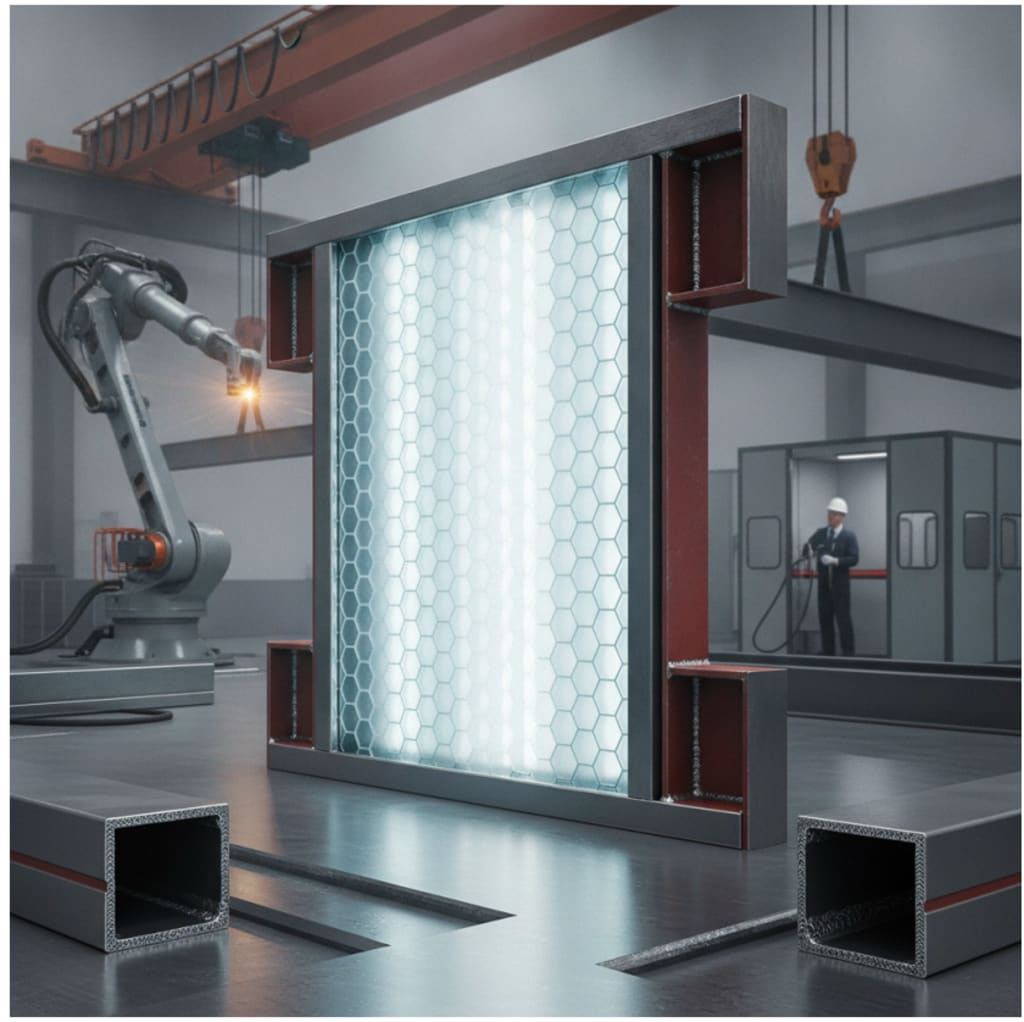
In modern architecture and industrial design, the quest for energy efficiency and sustainable lighting has led to the widespread adoption of innovative materials. The Hollow PC Lighting Tile has emerged as a premier solution for those seeking to blend durability with high light transmittance. By utilizing a multi-wall polycarbonate structure, these tiles provide an effective way to illuminate large spaces while maintaining thermal insulation. Whether for warehouses, greenhouses, or commercial walkways, choosing the right lighting tile can significantly reduce electricity costs and improve the well-being of occupants. In this guide, we will explore why this material is becoming the industry standard for natural lighting.
Growing Demand for Daylight Solutions
Construction companies increasingly prioritize natural lighting. Governments, businesses, and property owners recognize the value of reducing energy consumption.
Industry analysts note that daylight-friendly materials help lower operating costs. Better lighting also creates healthier indoor environments. Workers benefit from brighter spaces during daytime hours.
Modern roofing systems now include transparent or translucent panels. These materials replace traditional sections without changing the overall structure.
Many manufacturing plants have upgraded aging roofs with Hollow PC Lighting Tile products. The results include improved daylight coverage and lower dependence on artificial lighting.
Sustainability Shapes Material Selection
Environmental regulations continue to influence construction decisions. Building owners now evaluate materials beyond purchase price.
Long service life has become an important factor. Products requiring fewer replacements generate less construction waste over time.
Polycarbonate lighting panels meet many sustainability objectives. They resist weather damage while maintaining stable performance.
This combination supports green building initiatives across many industries.
Architects also value products that help achieve energy-efficient building certifications.
Why Polycarbonate Stands Out
Traditional roofing materials often block sunlight completely. This creates higher electricity demand throughout the day.
Polycarbonate materials offer a different solution. They allow daylight to enter while protecting interiors from harsh weather.
These panels resist cracking better than many conventional alternatives. Their impact resistance makes them suitable for demanding environments.
Many facilities choose them for warehouses, factories, workshops, and storage buildings.
The lightweight structure also simplifies installation.
News Reports Highlight Industrial Adoption
Recent construction reports show increased investment in energy-saving roofing systems.
Manufacturing companies continue upgrading production facilities. Roofing improvements often rank among the first modernization projects.
Engineers explain that daylight reduces operating expenses while improving workplace visibility.
Several industrial developments now include skylight systems built with polycarbonate lighting products.
This trend reflects wider acceptance of sustainable construction technologies.
Strong Performance in Harsh Weather
Weather remains a major concern for building owners.
Heavy rain, strong winds, and changing temperatures can shorten the life of roofing materials.
Polycarbonate lighting tiles perform well under these conditions. Their durable structure helps maintain reliable service for many years.
This durability lowers maintenance requirements and minimizes unexpected repair costs.
Stable performance also supports uninterrupted industrial operations.
Energy Efficiency Supports Business Goals
Companies continue searching for practical methods to reduce utility expenses.
Lighting often represents a significant portion of energy consumption.
Natural daylight decreases reliance on electric lighting during working hours.
Buildings using properly designed lighting panels may experience noticeable reductions in daytime electricity demand.
These improvements support both environmental and financial objectives.
Many organizations now include daylight optimization in their sustainability strategies.
Technology Improves Modern Roofing
Manufacturers continue investing in better production techniques.
Advanced extrusion technology improves consistency and structural quality.
Protective surface treatments also increase resistance against ultraviolet exposure.
These improvements extend product life while maintaining light transmission.
Innovation continues driving better performance across commercial roofing applications.
Easy Integration into Existing Buildings
Many property owners prefer upgrades without major reconstruction.
Lighting tiles can often fit existing roofing systems with limited structural modifications.
This flexibility makes renovation projects more practical.
Factories, warehouses, and agricultural buildings frequently complete upgrades while minimizing operational disruptions.
Installation teams also appreciate the reduced handling effort provided by lightweight materials.
Agricultural Industry Benefits
Agricultural buildings require balanced lighting conditions.
Livestock facilities, greenhouses, and storage buildings all benefit from natural illumination.
Better daylight supports daily operations while reducing electrical costs.
Farm owners increasingly consider sustainable building materials during renovation projects.
Durable roofing products also help withstand changing seasonal conditions.
Warehouses Improve Workplace Conditions
Warehouse operators continue improving employee working environments.
Natural lighting increases visibility throughout storage areas.
Employees often perform inspection and handling tasks more comfortably under daylight.
This improvement may contribute to greater operational efficiency.
Modern logistics facilities increasingly include daylight-friendly roofing systems during expansion projects.
Commercial Buildings Follow the Trend
Retail centers and commercial complexes also embrace sustainable construction.
Building owners seek attractive interiors with lower operating expenses.
Natural light creates welcoming environments for employees and visitors.
Commercial developers recognize that energy-efficient buildings remain attractive investments.
Lighting panels contribute to these broader design objectives.
Manufacturing Advances Increase Product Quality
Production technology continues evolving.
Manufacturers refine raw material selection and quality control processes.
Improved engineering creates panels with consistent thickness and reliable structural performance.
Quality testing ensures products meet demanding construction requirements.
Continuous innovation strengthens confidence across global markets.
Long-Term Value Drives Purchasing Decisions
Construction budgets increasingly focus on lifetime value instead of initial cost.
Durable materials often reduce maintenance expenses over many years.
Lower replacement frequency also decreases business interruptions.
These economic advantages support wider industry acceptance.
Decision-makers now evaluate total ownership costs before selecting roofing materials.
Safety Remains an Important Consideration
Construction professionals continue emphasizing workplace safety.
Reliable roofing materials contribute to safer facilities.
Stable performance reduces unexpected failures during normal building operation.
Manufacturers also develop products that meet recognized quality standards.
Safety considerations remain essential across industrial and commercial projects.
Professional Installation Matters
Product quality alone cannot guarantee long-term performance.
Correct installation supports weather resistance and structural stability.
Experienced contractors follow manufacturer recommendations during every project.
Proper sealing, spacing, and fastening improve overall results.
Regular inspections also help maintain roofing performance.
Choosing reliable Hollow PC Lighting Tile Service providers ensures professional guidance from planning through installation and maintenance.
Future Outlook for Sustainable Roofing
Industry experts expect continued growth in daylight-focused construction.
Governments encourage energy-efficient buildings through updated regulations.
Businesses continue investing in environmentally responsible infrastructure.
Polycarbonate lighting systems fit these changing priorities.
Innovation will likely deliver stronger materials, improved insulation, and greater design flexibility.
Growing awareness of sustainable construction supports continued adoption across global markets.
Conclusion
The integration of Hollow PC Lighting Tile Service into modern building designs represents a perfect harmony between efficiency and durability. By providing a lightweight, thermally insulated, and highly transparent roofing solution, these tiles empower businesses to reduce their carbon footprint while enhancing the quality of their interior environments. Investing in high-quality polycarbonate lighting is not just an architectural choice, but a strategic move toward sustainable operational costs and superior structural safety.
About the Creator
Emily Carter
Emily Carter is a freelance writer focused on SEO, digital marketing, content publishing, and online business trends. Her articles provide insights into search optimization, content strategy, and the evolving world of digital media.
Enjoyed the story? Support the Creator.
Subscribe for free to receive all their stories in your feed.
Comments
There are no comments for this story
Be the first to respond and start the conversation.