
Disadvantages of Hair Transplants in Gold Coast: A Comprehensive Guide
Gold Coast
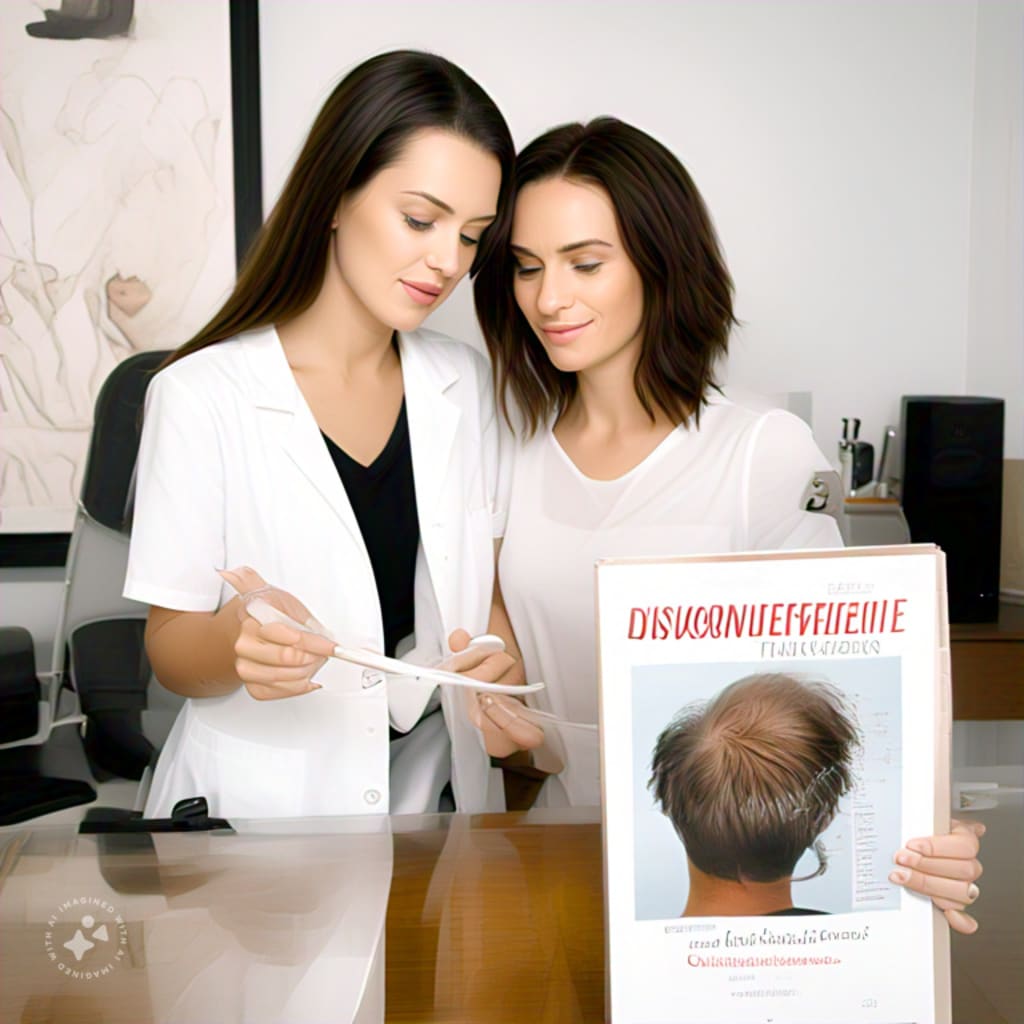
Hair Transplant Gold Coast have become a popular solution for those experiencing hair loss. With advancements in techniques like Follicular Unit Extraction (FUE) and Follicular Unit Transplantation (FUT), many individuals in the Gold Coast and beyond have sought these procedures to regain confidence. However, like any medical intervention, hair transplants come with their drawbacks. If you're considering undergoing this procedure in the Gold Coast, it's crucial to understand the potential disadvantages before making a decision.
1. High Costs
One of the most significant barriers to hair transplants is the cost. On the Gold Coast, prices for procedures like FUE or FUT can range from $5,000 to $20,000, depending on the clinic, surgeon, and extent of hair loss. These costs are often not covered by health insurance, as hair transplants are considered cosmetic procedures.
Alternative Treatments: You might need to explore less expensive alternatives, like medications (e.g., Minoxidil or Finasteride) or non-invasive treatments like Platelet-Rich Plasma (PRP) therapy.
Post-Surgery Expenses: Additional costs can include consultations, follow-ups, and maintenance treatments, which add up over time.
2. Pain and Discomfort
Although hair transplants are performed under local anesthesia, many patients report pain or discomfort during and after the procedure.
During the Procedure: Some individuals feel discomfort as hair follicles are extracted and implanted, even with anesthesia.
Post-Surgery Recovery: It’s common to experience soreness, tightness, and swelling on the scalp for a few days or weeks after the procedure.
3. Long Recovery Time
Hair transplants require downtime, which can disrupt your daily life.
Healing Process: It may take several weeks for the scalp to heal completely. During this period, you may need to avoid strenuous activities, including exercise and sun exposure, which can be challenging in the Gold Coast’s sunny climate.
Visible Scarring: FUT procedures leave linear scars, which can be visible if not covered by surrounding hair. Even FUE, which is less invasive, may leave tiny scars that take time to fade.
4. Uncertain Results
Hair transplant success is not guaranteed, and some individuals might not achieve their desired results.
Patchy Growth: Transplanted hair might grow unevenly, creating a patchy appearance.
Shedding Phase: Newly transplanted hair often falls out within the first few weeks, which can be alarming. While this is typically temporary, it can be discouraging for patients expecting immediate results.
Mismatch in Hair Texture: The transplanted hair might differ in texture or density from the surrounding hair, leading to an unnatural look.
5. Risk of Infection or Complications
While rare, Hair Transplant Gold Coast can lead to medical complications, especially if proper aftercare isn’t followed.
Infections: The scalp can become infected if the surgical area is not kept clean or if the clinic lacks proper hygiene protocols.
Bleeding and Swelling: Excessive bleeding or swelling may occur, particularly if the procedure is performed by an inexperienced surgeon.
Shock Loss: Existing hair near the transplant site might fall out due to the trauma caused by surgery, a condition known as "shock loss."
6. Emotional and Psychological Effects
The emotional toll of a hair transplant can be significant, especially if expectations are not met.
Unrealistic Expectations: Many patients expect immediate and perfect results, but hair transplants require patience as the full effect can take 6-12 months to appear.
Disappointment: If the outcome is not as expected, it can lead to frustration, anxiety, or regret.
Social Impact: The healing phase, where scabs and redness are visible, might make some individuals self-conscious, affecting their social interactions and confidence.
7. Maintenance and Follow-Up Treatments
Hair transplants are not a one-time solution.
Ongoing Care: You’ll likely need to use medications like Minoxidil or Finasteride to prevent further hair loss in non-transplanted areas.
Additional Procedures: Many patients require multiple sessions to achieve the desired density or coverage, increasing the time and money invested.
8. Limited Availability of Reputable Clinics
While the Gold Coast has a growing number of clinics offering hair transplant services, finding a reputable one can be challenging.
Inexperienced Surgeons: Not all clinics have skilled professionals, which can lead to subpar results or complications.
Lack of Regulation: The cosmetic surgery industry is not always tightly regulated, so choosing an unqualified provider can be risky.
Travel for Expertise: You might need to travel outside the Gold Coast to find a clinic with advanced technologies and experienced surgeons.
9. Not Suitable for Everyone
Hair transplants aren’t a viable solution for everyone experiencing hair loss.
Insufficient Donor Hair: Individuals with limited donor hair might not have enough healthy follicles for a successful transplant.
Underlying Health Conditions: Certain conditions, such as alopecia areata or uncontrolled diabetes, can make hair transplants unsuitable.
Age Restrictions: Younger individuals experiencing early hair loss might not be ideal candidates, as hair loss patterns can change over time.
Conclusion
While Hair Transplants Gold Coast offer a promising solution for hair restoration, they are not without their disadvantages. From high costs and uncertain results to potential complications and long recovery periods, it’s important to weigh these drawbacks against the benefits.
If you're considering a hair transplant, consult a qualified and experienced surgeon. Discuss your goals, expectations, and alternative treatments to make an informed decision. Remember, the journey to hair restoration is a personal one, and what works for others might not be the best solution for you.
About the Creator
Enjoyed the story? Support the Creator.
Subscribe for free to receive all their stories in your feed.
Comments
There are no comments for this story
Be the first to respond and start the conversation.