
Digital Twin Technology: How Virtual Replicas Are Quietly Rebuilding the Real World
The problem is that most businesses still cannot see the full picture fast enough to act

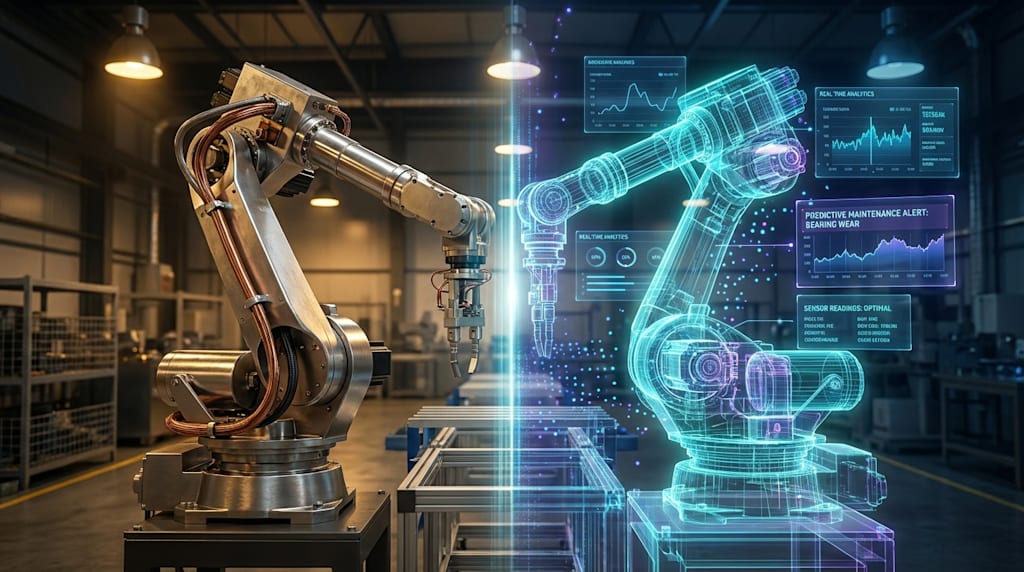
Your machines are talking to you. Your buildings are leaking clues. Your supply chain is leaving fingerprints on every delay, every failure, every wasted dollar. The problem is not that the signals are missing. The problem is that most businesses still cannot see the full picture fast enough to act.
That is where digital twin technology changes the game. Instead of guessing what is happening inside a machine, a factory, a hospital, or even a city block, you create a living virtual replica that mirrors what is happening in the physical world. You stop reacting late. You start seeing problems before they turn expensive.
What Is Digital Twin Technology?
A digital twin is a virtual model of a physical object, system, process, or environment that stays connected to real-world data. That connection is the whole point. This is not just a pretty 3D model sitting in a dashboard. It updates based on sensor data, usage patterns, environmental changes, and operational behavior.
Think of a twin as a constantly refreshed mirror with a brain attached to it. A normal model shows you what something should look like. A digital twin shows you what it is doing right now, how it behaved yesterday, and what may happen next week if current patterns continue.
That is why the term matters. A digital twin can represent a wind turbine, a production line, a commercial building, a delivery network, or even a human organ in a medical context. The technology scales from one component to a full ecosystem.
How a Digital Twin Actually Works
At a basic level, digital twin technology pulls data from the physical world, feeds it into a virtual environment, and uses that environment to monitor, simulate, analyze, and predict behavior. The system does not rely on one single technology. It sits on top of several layers working together.
First, the physical object or system needs a data source. That usually means sensors, cameras, connected devices, software logs, ERP data, maintenance records, or machine telemetry. A motor may send vibration and temperature data. A building may stream occupancy, energy use, air quality, and HVAC performance.
Next, that data moves into a digital platform where the virtual model lives. This model is not useful unless it can interpret incoming information in context. Once the system knows what “normal” looks like, it can highlight strange behavior, test scenarios, and estimate outcomes.
Then comes the decision layer. This is where analytics, machine learning, rules engines, or AI models start turning raw signals into useful insights. If a machine starts vibrating differently than usual, the twin can flag a likely failure pattern before the machine actually breaks.
Picture a car dashboard, but far smarter. It does not just tell you the engine light is on. It tells you which part is degrading, how long it may last, which driving conditions are making it worse, and what will probably happen if you ignore it for another ten days.
Digital Twin vs Simulation vs IoT
People often confuse digital twins with simulation software or IoT systems. They overlap, but they are not the same thing. This matters because many companies think they already “have a digital twin” when they really just have scattered monitoring tools.
A simulation is usually static or scenario-based. You set assumptions, run a model, and see the results. It helps you explore possibilities, but it may not stay connected to live physical data after the simulation ends.
An IoT system focuses on connected devices and sensor data. It tells you what the equipment is reporting, but it does not always create a full contextual model that reflects relationships, behavior, and future outcomes. IoT gives you signals. A digital twin gives you a structured interpretation of those signals inside a living model.
The difference is easier to see with a factory example:
IoT tells you Machine 4 is overheating.
A simulation shows what may happen if production speed increases by 20%.
A digital twin combines both and tells you Machine 4 is overheating because airflow dropped, maintenance was delayed, and current load patterns will likely cause downtime within 36 hours.
That is why digital twin technology feels more strategic. It connects monitoring, modeling, and prediction in one operational layer.
Core Components of a Digital Twin System
You cannot build a strong digital twin by throwing sensors at a problem and hoping the dashboard looks impressive. A reliable system needs a clear structure. Without that structure, the twin becomes an expensive digital decoration.
Most digital twin systems include these core components:
Physical asset or environment, such as a machine, building, vehicle, patient, or network.
Sensor and data collection layer, including IoT devices, PLCs, software logs, cameras, and enterprise systems.
Connectivity layer that moves data securely and fast enough for the use case.
Digital model layer that represents the physical object or process.
Analytics and rules engine for pattern detection, predictions, and recommendations.
Visualization interface, often dashboards, 3D environments, or control panels.
Feedback loop that allows people or systems to act on the insights.
That last part is easy to underestimate. If the digital twin produces a brilliant insight and nobody changes anything in the real world, you do not have transformation. You have a fancy weather report nobody reads.
A strong feedback loop turns insight into action. It might trigger a maintenance ticket, adjust a control system, reorder supplies, reroute shipments, or alert a technician before a failure spreads.
Digital Twin Technology in Manufacturing
Manufacturing is one of the clearest places where digital twin technology proves its value. Factories are full of expensive assets, tight timing, repetitive processes, and thin margins. Even a small inefficiency can burn serious money when it repeats every day.
A digital twin in manufacturing can mirror an individual machine, a full production line, or even the entire plant. That gives operators a live operational view instead of fragmented snapshots. You can see performance, bottlenecks, wear patterns, and process deviations in one system.
Predictive maintenance is one of the biggest wins here. Instead of fixing equipment only after it breaks, the twin helps you spot warning signs early. That cuts downtime, protects quality, and avoids the cost of emergency repairs during peak production windows.
Imagine a packaging line that slows down slightly every afternoon. Human operators may shrug it off because the slowdown feels small. A digital twin notices that the slowdown always correlates with heat buildup, motor stress, and a minor vibration shift. Three weeks later, without intervention, that “small” issue becomes a major stoppage. The twin catches the pattern before the failure becomes visible to the naked eye.
Factories also use digital twins for layout changes, energy optimization, quality control, and training. If you want to test a process change before disrupting real production, the twin gives you a safer sandbox.
Digital Twins in Smart Buildings, Cities, and Energy
Buildings waste money quietly. Air systems run harder than needed. Lighting patterns ignore occupancy. Maintenance teams discover problems late. Energy leaks feel invisible until the monthly bill arrives. Digital twins expose that hidden waste.
A building-level system twin can combine HVAC performance, occupancy data, elevator status, power consumption, indoor air quality, and maintenance history. That makes operations less reactive. Instead of waiting for a complaint that one floor feels too hot, facility teams can see patterns developing earlier and fix them with more precision.
Scale that concept to an entire district and you start entering smart city territory. A city twin can model traffic flow, water systems, public transport, utilities, waste management, and emergency response. That does not mean cities become magical or perfectly efficient. It means planners get a live, contextual view of how the urban system behaves.
Energy is another major use case. Utilities can create digital twins of wind farms, substations, pipelines, solar fields, and grid infrastructure. A wind turbine twin can track blade performance, weather stress, and output efficiency. An energy grid twin can help operators test scenarios before making physical changes that affect thousands of users.
The appeal is simple. Visibility improves decisions. Better decisions reduce waste, delay failures, and stretch the value of existing infrastructure.
Digital Twins in Healthcare, Logistics, and Retail
Digital twin technology is not stuck inside factories and infrastructure projects. It is spreading into sectors that look very different on the surface but share the same underlying need: real-time visibility and smarter decisions.
In healthcare, digital twins can model equipment, hospital operations, patient flow, and in some advanced cases even parts of the human body. A hospital may use a twin to understand bed occupancy, operating room scheduling, or equipment utilization. That reduces bottlenecks and improves resource planning.
The long-term medical vision gets even more interesting. Imagine a patient-specific heart model that helps doctors test treatment options virtually before choosing one in real life. That concept is still more advanced and unevenly adopted than many headlines suggest, but the direction is real.
In logistics, digital twins help companies monitor fleets, warehouses, shipping lanes, and supply networks. If one port slows down or one transport route becomes unstable, the twin can show the ripple effect across inventory, timing, and customer delivery windows. That is powerful because supply chains usually fail as networks, not isolated points.
Retail can use digital twins to optimize store layouts, inventory movement, refrigeration units, customer traffic patterns, and even fulfillment workflows. A supermarket chain, for example, could simulate how a layout change affects congestion, restocking speed, and product visibility before rolling the change out nationwide.
Business Benefits of Digital Twin Technology
Companies do not invest in digital twins because the concept sounds futuristic. They invest because the technology can solve ugly operational problems that cost real money. The business case becomes much stronger when you stop treating the twin as a tech experiment and start treating it as a decision engine.
The biggest benefits usually include:
- Better predictive maintenance and less downtime.
- Improved asset performance and longer equipment life.
- Faster detection of inefficiencies and process drift.
- Safer testing of changes before real-world deployment.
- Lower operational costs through smarter resource use.
- Better planning for capacity, scheduling, and maintenance.
- More accurate forecasting and scenario analysis.
- Stronger collaboration between engineering, operations, and leadership.
One of the biggest hidden benefits is speed of understanding. Teams often waste time arguing over what is happening because each department sees only one part of the system. The twin creates a shared operational picture. That reduces blind spots and cuts the friction created by disconnected data.
There is also a competitive angle. A company that learns faster from its physical systems usually outperforms a company that reacts late. The advantage compounds over time.
Challenges, Risks, and Common Mistakes
Digital twin technology sounds elegant on paper. In practice, it can get messy fast. Many projects fail because companies chase a flashy demo before solving basic data, integration, and governance problems.
Bad implementation often starts with weak data. If sensors are unreliable, data is delayed, systems are disconnected, or naming conventions are chaotic, the digital twin becomes misleading. A misleading twin is worse than no twin because it gives decision-makers false confidence.
Another common mistake is trying to twin everything at once. A company hears the promise, gets excited, and launches a huge enterprise-wide project before proving value in one clear use case. That usually creates complexity, confusion, and budget fatigue.
There are also real risks around cybersecurity, privacy, and overdependence. If your digital twin connects to critical systems, it can expand the attack surface. If it handles patient data, employee movement, or city infrastructure, governance becomes serious very quickly.
Watch for these common pitfalls:
Starting with vague goals.
Connecting poor-quality data sources.
Building a dashboard without a real decision workflow.
Ignoring security and data access rules.
Overcomplicating the model too early.
Failing to involve operations teams from the beginning.
Treating the twin as an IT project instead of a business project.
A good digital twin is not just technically clever. It is operationally useful.
How to Implement Digital Twin Technology Step by Step
If you want results, start narrower than your ambition. That sounds boring, but it saves projects. The best digital twin programs usually begin with one painful business problem, not a giant vision deck.
1. Pick a high-value use case
Choose an area where better visibility or prediction would save time, money, or risk. Predictive maintenance, energy efficiency, asset monitoring, and bottleneck detection are often strong starting points.
2. Define the physical object or system clearly
Do not say, “We want a twin of the business.” That is too vague. Choose one production line, one building, one fleet segment, or one warehouse process.
3. Map the available data
List your sensors, enterprise systems, logs, maintenance records, control systems, and external data sources. Find the gaps early. A twin cannot reflect reality if half the relevant signals are missing.
4. Build the model around decisions
This step matters more than the visual layer. Ask what decisions the twin should improve. Should it flag failure risk, simulate load changes, recommend maintenance timing, or optimize resource allocation?
5. Start with measurable outcomes
Tie the pilot to outcomes such as downtime reduction, energy savings, maintenance cost reduction, throughput improvement, or error detection. That gives the project a business spine.
6. Connect operations teams from day one
Your engineers and IT team may build the environment, but operations staff know where the actual pain lives. If you ignore them, the twin may look impressive and still miss the point.
7. Scale only after proving value
Once the pilot works, expand carefully. Add more assets, more data layers, or more prediction logic. Scale the model after the workflow works, not before.
Think of it like building a living map. You do not start by drawing the entire planet in microscopic detail. You start with the route that matters most, make sure it is accurate, and then widen the map.
The Future of Digital Twins
The future of digital twin technology is not just prettier 3D dashboards. The real shift is intelligence. As AI, simulation, automation, and edge computing mature, digital twins will move from monitoring tools to active operational partners.
A more advanced future twin will not only tell you what is happening. It will suggest interventions, compare trade-offs, estimate consequences, and in some environments trigger automated actions within safe boundaries. That could mean rerouting power loads, rescheduling production, adjusting climate systems, or recommending treatment pathways.
Another change is scale. Digital twins will increasingly connect with digital threads across product design, supply chains, maintenance history, and customer usage. That creates a continuous record from design table to field performance.
You can already see the direction. Businesses want fewer blind spots, shorter delays between signal and action, and less guesswork inside complex physical systems. Digital twin technology answers that hunger because it turns static operations into something closer to a living, measurable system.
The companies that benefit most will not be the ones with the flashiest 3D graphics. They will be the ones that use the twin to make sharper decisions every day.
Frequently Asked Questions
What is digital twin technology in simple terms?
Digital twin technology creates a virtual replica of a real object, system, or process and keeps it connected to live data so you can monitor, analyze, and predict performance more accurately.
What is the main purpose of a digital twin?
The main purpose is to improve visibility and decision-making. A digital twin helps you understand what is happening now, what caused it, and what may happen next if current conditions continue.
Is a digital twin the same as IoT?
No. IoT focuses on connected devices and data collection. A digital twin uses that data, along with models and analytics, to build a contextual virtual representation of the real-world asset or system.
What industries use digital twin technology?
Manufacturing, energy, healthcare, logistics, construction, automotive, aerospace, retail, real estate, and smart city planning all use digital twin concepts in different ways.
What are the biggest benefits of digital twins?
The most common benefits include predictive maintenance, reduced downtime, lower costs, better planning, safer testing, stronger visibility, and improved operational efficiency.
Are digital twins expensive to implement?
They can be, especially for large systems with heavy integration needs. The cost depends on scope, sensor maturity, software platform, data quality, and how complex the model needs to be.
Can small businesses use digital twin technology?
Yes, if the use case is focused. A smaller company does not need to twin an entire enterprise. It can start with one asset group, one facility issue, or one operational bottleneck.
How does AI improve digital twins?
AI helps digital twins spot patterns, detect anomalies, forecast failures, recommend actions, and learn from changing behavior over time. It makes the twin more predictive, not just descriptive.
What is the difference between a digital model and a digital twin?
A digital model may simply represent an object or process. A digital twin stays connected to real-world data and evolves as the physical counterpart changes.
What is the future of digital twin technology?
The future points toward more intelligent, connected, and automated twins that support real-time decisions across design, operations, maintenance, and long-term planning.
About the Creator
John Arthor
seasoned researcher and AI specialist with a proven track record of success in natural language processing & machine learning. With a deep understanding of cutting-edge AI technologies.
Enjoyed the story? Support the Creator.
Subscribe for free to receive all their stories in your feed.
Comments
There are no comments for this story
Be the first to respond and start the conversation.