
Diabetes? Why did no one tell you about this?
4 Worst Diabetes Medicines
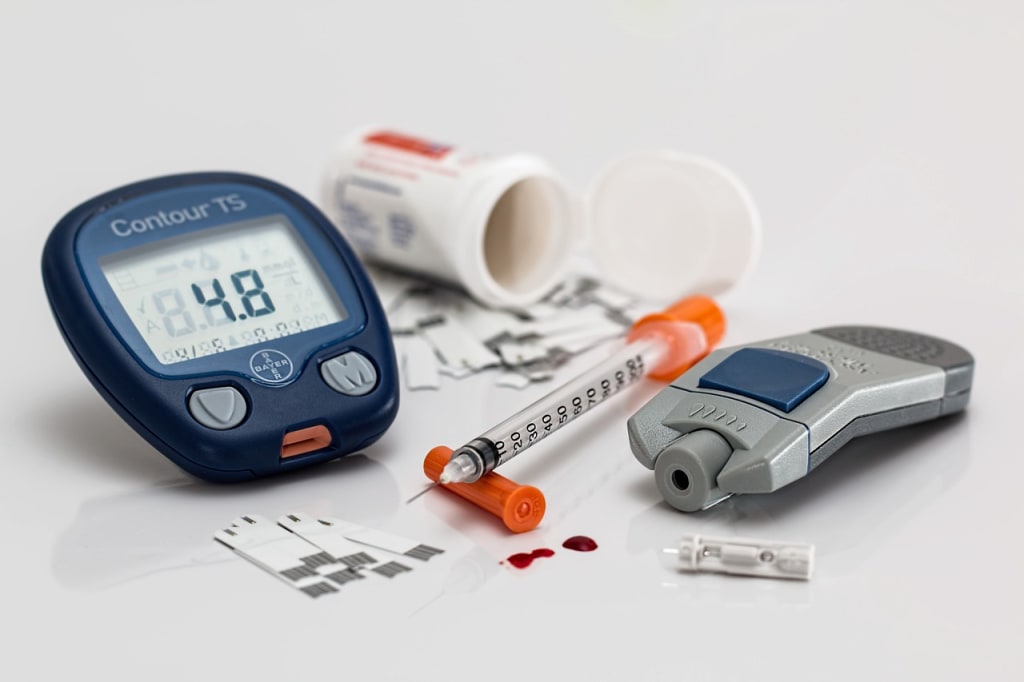
Diabetes is a chronic disease that affects how the body processes glucose, a type of sugar that provides energy to cells. In people with diabetes, the body either doesn't produce enough insulin, the hormone that regulates glucose levels, or the cells in the body become resistant to insulin and can't use it effectively. This leads to high levels of glucose in the blood, which can damage the body over time if left uncontrolled.
There are two main types of diabetes: type 1 and type 2. Type 1 diabetes is an autoimmune disease in which the body's immune system attacks and destroys the cells that produce insulin, leading to a complete lack of insulin production. Type 2 diabetes, on the other hand, is a condition in which the body becomes resistant to insulin over time, leading to insulin resistance and decreased insulin sensitivity. This type of diabetes is often associated with lifestyle factors such as poor diet, lack of physical activity, and obesity.
Diabetes is a leading cause of serious health problems, including heart disease, stroke, kidney disease, blindness, and nerve damage. It can also increase the risk of other conditions, such as depression, foot problems, and skin infections.
To manage diabetes, it's important to keep blood glucose levels within a healthy range. This can be done through a combination of medication, lifestyle changes, and monitoring. For people with type 1 diabetes, this typically involves taking insulin injections or using an insulin pump to regulate glucose levels. For people with type 2 diabetes, this may involve taking oral medications, making lifestyle changes, and monitoring blood glucose levels regularly.
Lifestyle changes are an important part of managing diabetes and can help lower glucose levels and reduce the risk of complications. Some of the most effective changes include:
- Eating a healthy, balanced diet that is low in sugar and refined carbohydrates
- Regular physical activity, such as 30 minutes of moderate exercise most days of the week
- Maintaining a healthy weight
- Quitting smoking
- Limiting alcohol consumption
- Managing stress through relaxation techniques, such as yoga or meditation
In addition to lifestyle changes, regular monitoring of glucose levels is also important for managing diabetes. This can be done through self-monitoring of blood glucose levels using a glucometer, or through continuous glucose monitoring devices that track glucose levels in real-time.
It's also important for people with diabetes to receive regular medical check-ups to monitor for complications and to make any necessary changes to their treatment plan. This may include regular eye exams, foot exams, and kidney function tests, as well as monitoring for high blood pressure, cholesterol levels, and other factors that can increase the risk of complications.
In conclusion, diabetes is a serious health condition that affects millions of people worldwide. While it can cause serious health problems if left uncontrolled, it can be managed effectively with a combination of medication, lifestyle changes, and regular monitoring. By taking an active role in their own care and working closely with their healthcare team, people with diabetes can live healthy, fulfilling lives.
Questions:
- Why Doctors No Longer Prescribe Metformin
- Why Metformin Is Sickening
- Why Doctors In The Know No Longer Prescribe Metformin
- Learn How To Manage Diabetes Naturally. Don't Put Your Health On Hold
About the Creator
Enjoyed the story? Support the Creator.
Subscribe for free to receive all their stories in your feed.
Comments