
Dermatologist- Approved Prescription Creams for Eczema
Prescription Creams Eczema
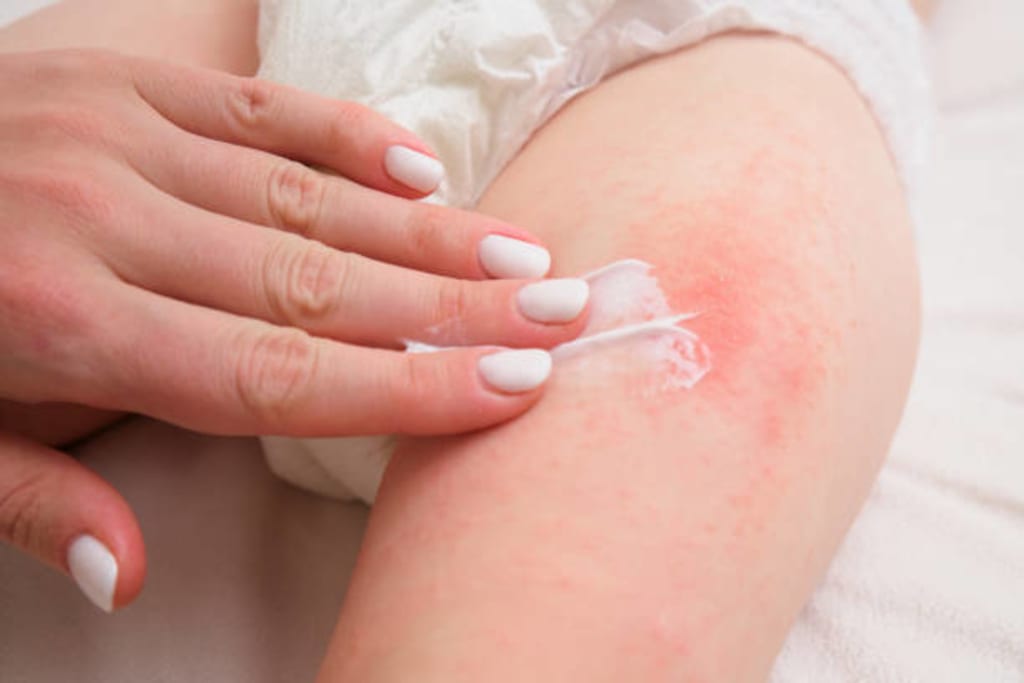
Eczema, also known as atopic dermatitis, is a chronic skin condition characterized by inflammation, redness, itching, and discomfort. For many individuals, finding relief from eczema symptoms can feel like a daunting task. Thankfully, dermatologist-approved prescription creams offer a reliable solution for managing this challenging condition. In this article, we’ll explore various prescription eczema cream, how they work, and what you need to know about obtaining them.
Understanding Eczema and Its Symptoms
Eczema is more than just dry or irritated skin. It is a complex condition that stems from a combination of genetic, environmental, and immune factors. Common symptoms include:
- Persistent itching
- Red or brownish patches on the skin
- Dry, scaly, or cracked skin
- Swelling and inflammation
- Oozing or crusting in severe cases
Eczema can affect people of all ages, and flare-ups can be triggered by allergens, stress, weather changes, or irritants such as soaps and detergents. Managing eczema often requires a multifaceted approach, including lifestyle adjustments, moisturizing routines, and effective medical treatments such as prescription creams.
Types of Prescription Creams for Eczema
Prescription creams for eczema are categorized based on their active ingredients and mechanisms of action. Here are the most commonly prescribed types:
1. Topical Corticosteroids
Topical corticosteroids are a cornerstone of eczema treatment. These creams reduce inflammation, alleviate itching, and calm flare-ups. They are available in various strengths, ranging from mild to potent. Dermatologists typically recommend milder formulations for sensitive areas like the face and stronger ones for thicker skin, such as on the palms or soles.
Key Points:
- Use as directed to avoid side effects like thinning skin or discoloration.
- Examples include hydrocortisone, betamethasone, and clobetasol.
- Not suitable for long-term continuous use.
2. Calcineurin Inhibitors
Calcineurin inhibitors are non-steroidal creams that help control eczema by suppressing the immune system’s overactivity. They are especially useful for sensitive areas like the face, neck, and eyelids.
Key Points:
- Suitable for long-term maintenance therapy.
- Common examples include tacrolimus and pimecrolimus.
- May cause a slight burning sensation upon application.
3. Topical PDE4 Inhibitors
Phosphodiesterase 4 (PDE4) inhibitors are a newer class of prescription creams for eczema. These creams target specific inflammatory pathways to reduce redness and itching effectively.
Key Points:
- Designed for mild to moderate eczema.
- Can be used over extended periods without the side effects associated with steroids.
- Consult your dermatologist to determine if this option is right for you.
4. Barrier Repair Creams
Barrier repair creams address one of the root causes of eczema: a weakened skin barrier. By mimicking the skin’s natural lipids, these creams help restore hydration and prevent irritants from penetrating the skin.
Key Points:
- Improve overall skin resilience.
- Often combined with other treatments for maximum efficacy.
- Best suited for mild cases or as an adjunct to other therapies.
5. Antibiotic-Infused Creams
Eczema flare-ups can sometimes lead to secondary bacterial infections. Antibiotic-infused creams are prescribed to combat these infections and promote healing.
Key Points:
Only used when bacterial infections are present.
Should be used as directed to prevent antibiotic resistance.
Discuss your symptoms with a dermatologist for tailored treatment.
How to Use Prescription Eczema Creams Effectively
Maximizing the benefits of prescription creams requires proper application techniques and adherence to your dermatologist’s recommendations. Here are some tips:
Cleanse and Dry the Skin: Before applying any cream, gently cleanse the affected area with a mild, fragrance-free cleanser. Pat the skin dry with a soft towel.
Apply the Cream Sparingly: A thin layer is usually sufficient. Over-application can lead to product wastage and potential side effects.
Follow the "Fingertip Unit" Rule: A fingertip unit refers to the amount of cream that covers the tip of an adult’s index finger. This is often enough to treat an area about the size of two adult palms.
Moisturize After Application: If your dermatologist advises, apply a moisturizer after the prescription cream to lock in hydration.
Avoid Triggering Factors: While using prescription creams, minimize exposure to known eczema triggers like harsh soaps, allergens, or temperature extremes
Can You Buy Doxycycline Online for Eczema?
While prescription creams are the primary treatment for eczema, some individuals with severe cases or secondary infections may require oral antibiotics like doxycycline. This medication is commonly prescribed to treat skin infections associated with eczema.
If you’re wondering, “Can you buy doxycycline online?” the answer is yes, but only through reputable platforms that require a valid prescription. Consulting a dermatologist is essential to determine whether doxycycline is appropriate for your specific situation. They can provide a prescription and guide you on how to use it effectively alongside topical treatments.
When to See a Dermatologist
If over-the-counter products and lifestyle changes aren’t providing sufficient relief, it’s time to consult a dermatologist. They can:
- Diagnose the severity of your eczema.
- Prescribe appropriate creams and other treatments.
- Monitor your progress and adjust your treatment plan as needed.
Dermatologists also play a vital role in educating patients about managing their condition effectively, reducing the frequency and intensity of flare-ups.
Managing Eczema Beyond Prescription Creams
While prescription creams are highly effective, they work best when combined with a holistic approach to eczema management. Here are additional strategies to consider:
1. Moisturize Regularly
Keeping the skin well-hydrated is crucial. Use thick, fragrance-free moisturizers multiple times a day, especially after bathing.
2. Identify and Avoid Triggers
- Common eczema triggers include:
- Harsh soaps and detergents
- Allergens like pollen and pet dander
- Stress and anxiety
Extreme temperatures
3. Use Gentle Skincare Products
Opt for products labeled as hypoallergenic and free from fragrances or dyes.
4. Adopt a Healthy Lifestyle
Eating a balanced diet, staying hydrated, and getting regular exercise can improve overall skin health and immune function.
Final Thoughts
Dermatologist-approved prescription creams for eczema provide an effective and scientifically backed approach to managing this chronic skin condition. From corticosteroids to barrier repair creams, there’s a wide range of options to suit individual needs. If you’re struggling with eczema or want to explore advanced treatments, consult a dermatologist to discuss your options.
For those looking for trusted healthcare guidance and prescription options, EIR DOC is a reliable resource for managing skin conditions like eczema. Their expert support ensures you receive the best care tailored to your needs.
About the Creator
Enjoyed the story? Support the Creator.
Subscribe for free to receive all their stories in your feed.
Comments
There are no comments for this story
Be the first to respond and start the conversation.