
Custom PCB Design for Medical Devices and Equipment
In the world of medical devices and equipment, custom PCB (Printed Circuit Board) design plays a crucial role in ensuring the reliability, safety, and functionality of these life-saving technologies.

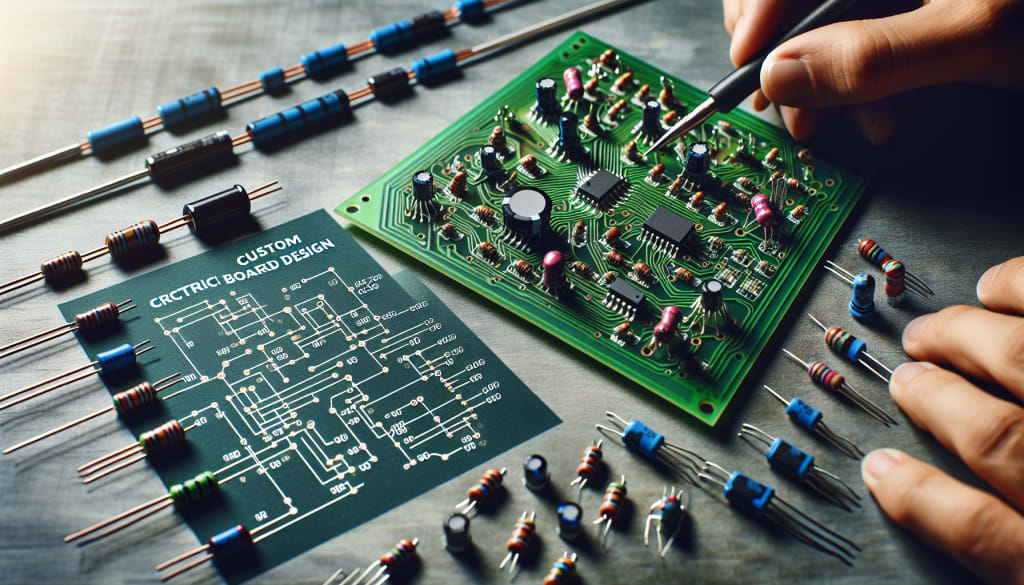
In the world of medical devices and equipment, custom PCB (Printed Circuit Board) design plays a crucial role in ensuring the reliability, safety, and functionality of these life-saving technologies. Custom circuit board design allows manufacturers to create electronics that are tailored to the specific needs of medical applications, taking into account factors such as size constraints, power requirements, and regulatory standards.
The Importance of Custom PCB Design in Medical Devices
Meeting Unique Requirements
Medical devices and equipment often have unique requirements that off-the-shelf PCBs cannot fulfill. Custom PCB design enables manufacturers to create boards that are optimized for the specific application, ensuring optimal performance and reliability. For instance, devices used in diagnostics, monitoring, and treatment often require precise control and accuracy, which can only be achieved through tailored PCB designs.
Miniaturization and Integration
As medical devices become smaller and more complex, custom PCB design allows for the miniaturization and integration of electronic components. This enables the development of compact, portable, and implantable devices that can significantly improve patient care and quality of life. Miniaturization is especially critical in wearable medical devices and implantable technologies, where space is limited, and performance is crucial.
Ensuring Safety and Reliability
In the medical industry, safety and reliability are paramount. Custom PCB design allows for the incorporation of redundant systems, fail-safe mechanisms, and other safety features to minimize the risk of device failure or malfunction. This is particularly important in life-critical applications where device failure can have severe consequences. Custom PCBs can include features like error-checking protocols, backup power supplies, and real-time monitoring systems to enhance safety.
The Custom PCB Design Process
Understanding the Requirements
The first step in custom PCB design is to thoroughly understand the requirements of the medical device or equipment. This includes factors such as the intended use, operating environment, power requirements, and regulatory standards. A clear understanding of these requirements ensures that the final design will meet the specific needs of the application.
Schematic Design
Once the requirements are understood, the next step is to create a schematic design. This involves defining the electrical connections and components that will be used on the PCB. The schematic design serves as a blueprint for the physical layout of the board and ensures that all components work together seamlessly.
Component Selection
Selecting the right components is crucial for the performance and reliability of the PCB. In medical applications, components must be chosen based on their quality, durability, and ability to withstand the rigors of the intended use. High-quality components are essential to ensure the longevity and reliability of the device.
PCB Layout
The physical layout of the PCB is created based on the schematic design. This involves placing components, routing traces, and incorporating any necessary shielding or grounding. The layout must be optimized for signal integrity, power distribution, and thermal management. Proper layout design ensures that the PCB will function correctly and efficiently under various conditions.
Design Verification
Before the PCB is manufactured, the design must be thoroughly verified to ensure that it meets all the requirements and functions as intended. This involves simulations, testing, and design reviews to catch any potential issues or errors. Design verification helps identify and resolve problems early in the process, reducing the risk of costly errors during manufacturing.
Considerations for Medical PCB Design
Regulatory Compliance
Medical devices and equipment are subject to strict regulatory standards to ensure patient safety. Custom PCB design must take into account relevant regulations such as ISO 13485, IEC 60601, and FDA guidelines. Compliance with these standards is essential for obtaining regulatory approval and bringing the device to market.
EMI/EMC
Electromagnetic Interference (EMI) and Electromagnetic Compatibility (EMC) are critical considerations in medical PCB design. Medical devices must be designed to minimize electromagnetic emissions and be immune to external interference. This involves proper shielding, grounding, and filtering techniques to ensure reliable operation in various environments.
Signal Integrity
Maintaining signal integrity is crucial for the accurate and reliable operation of medical devices. Custom PCB design must take into account factors such as impedance matching, crosstalk, and signal reflections. Proper routing, termination, and shielding techniques are used to ensure signal integrity and prevent data corruption or loss.
Power Management
Medical devices often have specific power requirements, such as low power consumption for battery-operated devices or the ability to handle high currents for certain applications. Custom PCB design must incorporate appropriate power management techniques, such as voltage regulation, power sequencing, and battery management, to ensure reliable and efficient operation.
Thermal Management
Heat generation is a common issue in electronic devices, and medical equipment is no exception. Custom PCB design must consider thermal management to ensure that components operate within their specified temperature ranges. This involves proper component placement, heat sinking, and the use of thermal interface materials to dissipate heat effectively.
CONCLUSION
Custom PCB design is a critical aspect of developing reliable, safe, and high-performance medical devices and equipment. By understanding the unique requirements of medical applications, following best practices in design and manufacturing, and collaborating effectively with stakeholders, companies can create custom circuit boards that meet the stringent demands of the medical industry. As medical technology continues to advance, the role of custom PCB design in enabling new and innovative devices will only become more important. By staying at the forefront of electronics design and embracing continuous improvement, companies can position themselves to make a meaningful impact on patient care and quality of life.
Visit Website: https://fizara.com/custom-pcb-design-for-medical-devices-and-equipment/
About the Creator
Byte Snap
ByteSnap is a UK-based consultancy specializing in embedded electronics and software development. They provide expert services, including hardware design, embedded software, IoT solutions, and compliance testing.
Enjoyed the story? Support the Creator.
Subscribe for free to receive all their stories in your feed.
Comments
There are no comments for this story
Be the first to respond and start the conversation.