
Coping with Vein Disease: Everyday Strategies for Comfort and Relief
Practical lifestyle tips to help you reduce symptoms, stay active, and feel more at ease day by day.
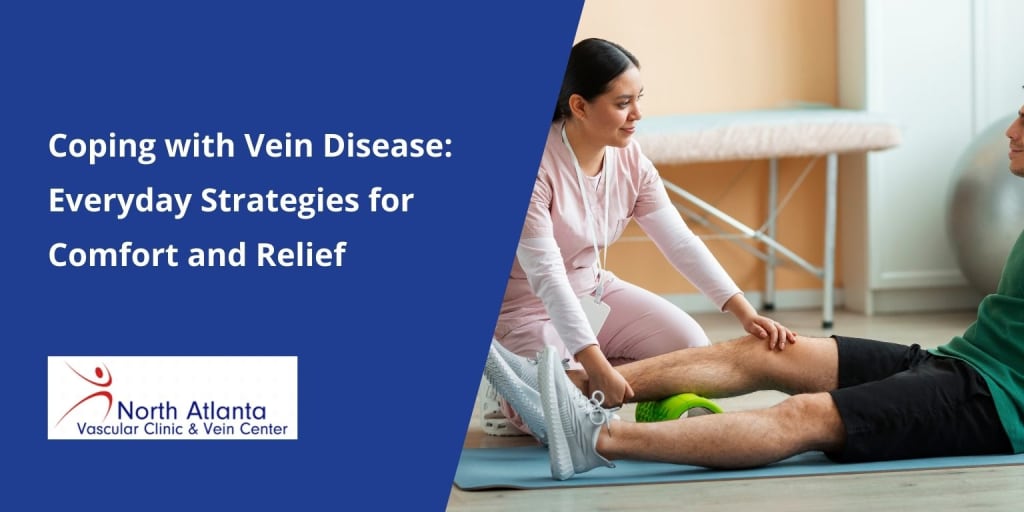
Vein disease, also known as chronic venous insufficiency, is a condition that affects the circulatory system, primarily impacting the veins in the legs. It occurs when vein valves become weakened or damaged, leading to poor blood flow and pooling of blood in the lower extremities. This condition can cause a variety of symptoms, ranging from mild discomfort to more serious complications such as skin changes and ulcers.
Managing the symptoms of vein disease is crucial for maintaining mobility, comfort, and overall quality of life. While vein disease is typically chronic in nature, many individuals are able to manage the condition effectively through lifestyle adjustments and supportive care.
Understanding the Symptoms
Common symptoms associated with vein disease include:
- Leg pain or aching, particularly after prolonged standing or sitting
- Swelling in the lower legs and ankles
- A feeling of heaviness or fatigue in the legs
- Itching or burning sensations near affected veins
- Cramps, especially at night
- Visible varicose or spider veins
- Skin changes, such as darkening or thickening around the ankles
These symptoms often worsen over time if left untreated, making early intervention and management essential.
Strategies for Managing Discomfort
There are several non-invasive strategies that can help individuals living with vein disease manage pain and reduce daily discomfort. Implementing the following lifestyle modifications can lead to noticeable improvements in symptoms and prevent further progression of the disease.
1. Incorporate Regular Movement
Prolonged periods of immobility, whether sitting or standing, can contribute to blood pooling in the lower extremities. Regular movement, such as walking or gentle stretching, encourages healthy blood flow. Those with sedentary jobs are encouraged to take brief walks or perform simple leg exercises throughout the day to promote circulation.
2. Elevate the Legs
Elevating the legs above heart level for 15 tfo 20 minutes a few times per day can assist in relieving pressure within the veins. This position helps blood return to the heart more easily and can significantly reduce swelling and fatigue.
3. Choose Supportive Footwear
Footwear can play an important role in managing vein-related discomfort. Supportive shoes with low heels and proper arch support help reduce strain on the leg veins. Avoiding high heels and unsupportive shoes is generally recommended.
4. Avoid Excessive Heat
Exposure to high temperatures, such as hot baths or saunas, can lead to vein dilation and increase symptoms such as swelling and discomfort. Opting for cooler environments and using lukewarm water when bathing may help minimize these effects.
5. Maintain a Healthy Body Weight
Excess weight places additional pressure on the venous system, particularly in the lower body. Achieving and maintaining a healthy weight through balanced nutrition and regular physical activity can help reduce symptom severity and improve circulation.
6. Hydrate and Reduce Sodium Intake
Adequate hydration helps maintain proper blood viscosity and circulation. Additionally, reducing sodium intake can prevent water retention, which contributes to swelling in the lower extremities.
7. Avoid Restrictive Clothing
Tight-fitting clothing, especially around the waist, hips, or legs, can restrict blood flow and aggravate vein disease symptoms. Opting for loose-fitting garments can improve comfort and circulation.
8. Adopt a Leg-Conscious Daily Routine
Making simple adjustments to your daily routine can help manage symptoms. Consider:
- Alternating between sitting and standing throughout the day
- Planning regular movement during long commutes or flights
- Engaging in low-impact physical activities such as walking, swimming, or cycling
These habits support vascular health and may help slow the progression of the disease.
Addressing the Emotional Aspects
In addition to physical discomfort, vein disease can affect an individual’s emotional well-being. Visible symptoms such as varicose veins may lead to self-consciousness or frustration. It is important to acknowledge these feelings and seek support when needed. Talking with others who manage similar conditions or discussing concerns with a healthcare provider can provide reassurance and encouragement.
Seeking Medical Attention
While self-management strategies are beneficial, it is important to seek medical evaluation if symptoms worsen, if new signs such as skin discoloration or ulcers appear, or if there is significant discomfort interfering with daily activities. A healthcare provider can offer individualized assessment and guidance for further management.
Conclusion
Although living with vein disease presents certain challenges, there are many ways to manage the condition effectively. By adopting appropriate lifestyle modifications and staying attentive to your body’s signals, it is possible to reduce discomfort and maintain a good quality of life. Early and consistent management is key to preventing complications and supporting long-term vascular health.
Disclaimer: Please note that this information is for educational purposes only. There is no patient-doctor relationship established. Please consult your healthcare provider for individualized recommendations.
About the Creator
Enjoyed the story? Support the Creator.
Subscribe for free to receive all their stories in your feed.
Comments
There are no comments for this story
Be the first to respond and start the conversation.