
Compression Tables: An Essential Tool for Spinal Decompression Therapy
Compression Tables
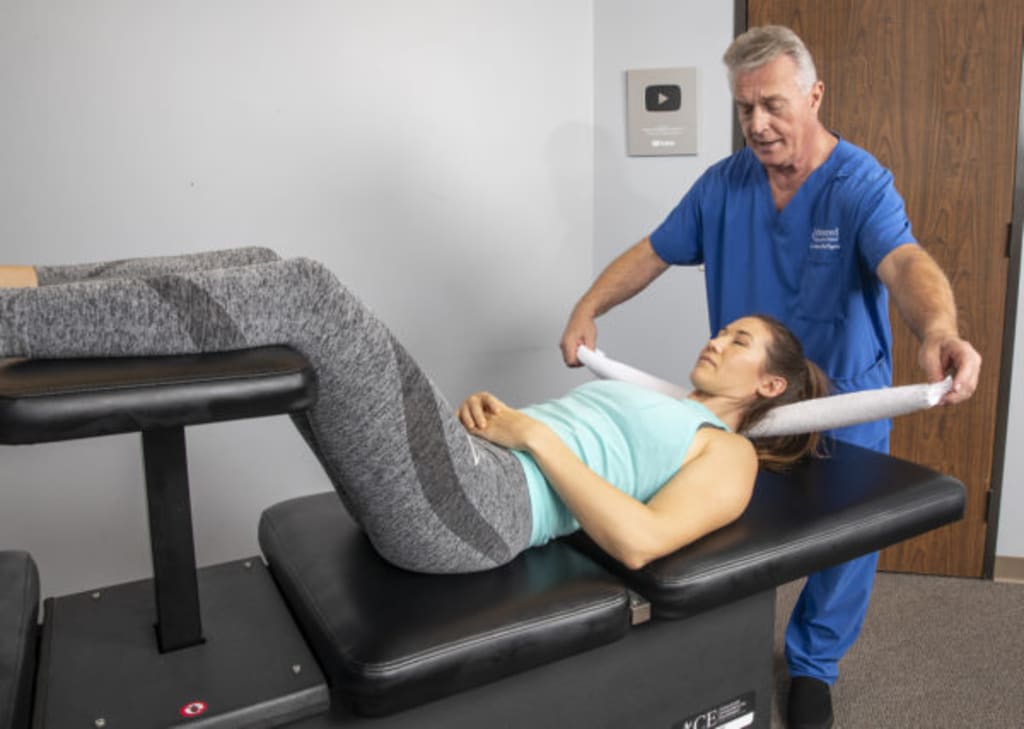
Spinal decompression therapy is a non-surgical treatment option for various spinal conditions such as herniated discs, sciatica, and degenerative disc disease. The therapy involves the use of traction to stretch the spine, thereby reducing pressure on the affected discs and nerves. Compression tables are an essential tool for performing spinal decompression therapy effectively. In this article, we will discuss how compression tables work, the benefits of spinal decompression therapy, and why compression tables are crucial in the treatment process.
How Do Compression Tables Work?
Compression tables use a traction mechanism to stretch the spine gently. Patients lie down on the table and are secured with a harness or other devices to ensure they do not slide off during the procedure. The table is then tilted in a way that allows the patient's feet to be elevated above their head. This position creates negative pressure in the spine, which helps to reduce pressure on the affected discs and nerves.
The amount of traction used varies depending on the patient's condition and the specific type of compression table being used. Some tables use motorized traction, while others use manual traction. Motorized traction tables use a motor to apply the traction force, which can be adjusted using a remote control. Manual traction tables require a healthcare professional to apply the traction force manually using a hand crank.
Benefits of Spinal Decompression Therapy
Spinal decompression therapy has several benefits for patients with spinal conditions. Some of these benefits include:
- Pain Relief: Spinal decompression therapy helps to relieve pressure on the affected discs and nerves, which can reduce pain and discomfort.
- Improved Function: By reducing pressure on the affected discs and nerves, spinal decompression therapy can help to improve overall function and mobility.
- Non-Invasive: Spinal decompression therapy is a non-surgical treatment option, which means there is no risk of complications associated with surgery.
- Cost-Effective: Spinal decompression therapy is often less expensive than surgery or other more invasive treatment options.
- Minimal Recovery Time: Patients can typically resume normal activities immediately after spinal decompression therapy, with little to no recovery time required.
Why Are Compression Tables Crucial in Spinal Decompression Therapy?
Compression tables are crucial in spinal decompression therapy for several reasons. Firstly, they allow for controlled traction of the spine, which ensures that the force is applied evenly and consistently. This is essential for achieving optimal results and avoiding injury to the patient.
Secondly, compression tables allow for customization of the treatment based on the patient's specific needs. The amount of traction applied can be adjusted depending on the severity of the condition and the patient's comfort level. This means that spinal decompression therapy can be tailored to each individual patient, ensuring that they receive the best possible care.
Thirdly, compression tables provide a comfortable and safe environment for patients during the procedure. Patients are secured with a harness or other devices to ensure they do not slide off the table during the procedure. This provides peace of mind for both the patient and healthcare professional, as it eliminates the risk of injury.
Finally, compression tables are designed to be user-friendly and easy to operate. Healthcare professionals can quickly and easily adjust the traction force using a remote control or hand crank, which saves time and allows for more efficient treatment.
Conclusion
Compression tables are an essential tool for performing spinal decompression therapy effectively. Spinal decompression therapy is a non-surgical treatment option for various spinal conditions and has several benefits for patients, including pain relief, improved function, and minimal recovery time. Compression tables allow for controlled and customized traction of the spine, ensuring that patients receive the best possible care. They also provide a safe and comfortable environment for patients during the procedure and are designed to be user-friendly and easy to operate for healthcare professionals. If you are a healthcare professional looking to offer spinal decompression therapy in your practice, investing in a compression table is crucial. It is essential to choose a compression table that meets your specific needs and those of your patients. Consider factors such as the type of traction mechanism, adjustability, and patient comfort when selecting a compression table.
In conclusion, compression tables are an essential tool in spinal decompression therapy. They allow for controlled and customized traction of the spine, providing optimal results for patients with various spinal conditions. If you are looking to offer spinal decompression therapy in your practice, investing in a compression table is a worthwhile investment that will benefit both you and your patients. Remember to choose a compression table that meets your specific needs and those of your patients, and always consult with a healthcare professional before beginning any new treatment.
About the Creator
Enjoyed the story? Support the Creator.
Subscribe for free to receive all their stories in your feed.
Comments
There are no comments for this story
Be the first to respond and start the conversation.