
Common Weight Loss Myths You Need to Stop Believing
Debunking common weight loss myths for healthier, sustainable results.

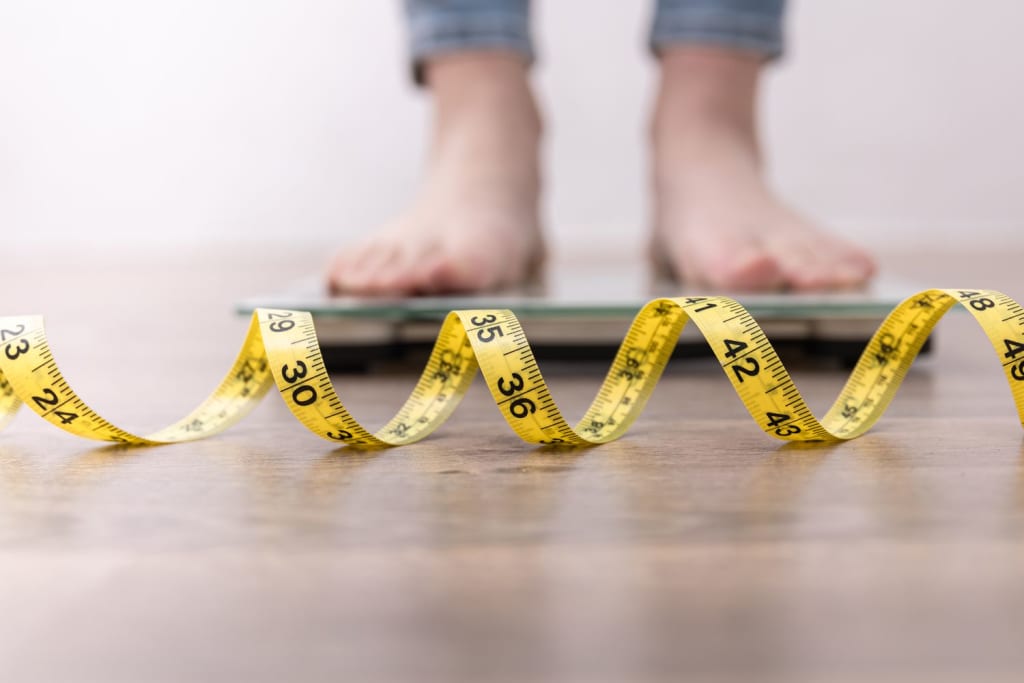
If you're struggling to lose weight, you're not alone. Many people search for answers to their weight loss challenges, often turning to various tips, diets, and methods. However, not everything you hear is accurate, and some weight loss myths can be downright harmful. As a weight loss doctor in Bharuch, I’ve seen many patients fall victim to common misconceptions that hinder their progress. In this blog, we’ll bust some of the most widespread weight loss myths, offering you science-backed advice to help you achieve your goals effectively and safely.
1. You Have to Cut Carbs Completely to Lose Weight
One of the biggest myths surrounding weight loss is that carbs are the enemy. The truth is, carbs are an essential part of a balanced diet. Whole grains, vegetables, and fruits provide your body with necessary nutrients and energy. Restricting carbohydrates too much can lead to nutrient deficiencies, fatigue, and a slowed metabolism.
Instead of cutting carbs entirely, focus on choosing complex carbs like quinoa, brown rice, and whole-wheat bread, while limiting refined sugars and processed carbs. For personalized guidance, visit a weight loss clinic that can offer tailored meal plans that fit your lifestyle.
2. All Calories Are Equal
Another misconception is that as long as you’re in a calorie deficit, it doesn’t matter what you eat. This myth overlooks the nutritional quality of food. While it’s true that consuming fewer calories than you burn leads to weight loss, the type of calories you consume plays a significant role in your overall health.
For example, 100 calories of sugary snacks won’t provide your body with the same nutrients as 100 calories of lean protein or fiber-rich vegetables. Quality matters just as much as quantity when it comes to weight loss treatment. A well-rounded diet with the right nutrients helps maintain energy levels, supports muscle growth, and ensures overall well-being.
3. Crash Diets Lead to Long-Term Weight Loss
Many people turn to crash diets in hopes of shedding pounds quickly, but these extreme methods often do more harm than good. Rapid weight loss can result in muscle loss, nutritional deficiencies, and a slowed metabolism, making it harder to keep the weight off in the long term.
Sustainable weight loss comes from making gradual changes to your diet and exercise routine that you can maintain over time. Instead of seeking drastic solutions, focus on healthy habits, like consuming nutrient-dense meals, staying active, and getting enough sleep. If you need expert advice, consult a weight loss doctor in Bharuch to create a long-term plan that suits your needs.
4. Eating Late at Night Causes Weight Gain
It’s a common belief that eating after a certain hour leads to weight gain, but the timing of your meals is not as important as the total calories you consume. Weight loss is ultimately determined by your overall daily caloric intake versus expenditure.
Late-night snacking can contribute to weight gain if it leads to overeating or if you’re choosing high-calorie, unhealthy foods. However, if you consume a balanced dinner and then eat a light, healthy snack in the evening, it won’t cause weight gain on its own. The key is moderation and portion control.
5. Exercise Alone Can Help You Lose Weight
Exercise is crucial for overall health, and it can support weight loss. However, relying solely on exercise without paying attention to diet is unlikely to produce significant weight loss results. Weight loss is a combination of both exercise and healthy eating.
Incorporating strength training and cardiovascular activities into your routine can help burn fat and increase muscle mass, which in turn boosts metabolism. However, without addressing your nutritional needs, exercise alone may not be enough. A weight loss treatment plan that combines healthy eating with regular physical activity will give you the best results.
6. You Should Avoid All Fats for Weight Loss
Not all fats are created equal. While trans fats and saturated fats found in processed foods can be harmful, healthy fats are an essential part of a balanced diet. These healthy fats, like those found in avocados, nuts, seeds, and olive oil, can actually support weight loss by promoting satiety and regulating hunger hormones.
Incorporating moderate amounts of healthy fats into your diet can help keep you full, making it easier to resist unhealthy cravings. So, don't be afraid to include these nutritious fats in your meals as part of your weight loss journey.
7. Weight Loss Supplements Are Magic Solutions
Many people believe that weight loss supplements are the secret to effortless weight loss, but this is far from the truth. While some supplements may slightly boost metabolism or help with appetite control, they are not magic solutions.
The key to sustainable weight loss lies in consistent, healthy habits: eating a balanced diet, exercising regularly, and getting adequate sleep. If you're considering supplements, it's important to consult with a healthcare provider or a weight loss clinic to determine what might be safe and effective for you.
8. All “Diet” Foods Are Good for You
Just because a product is labeled as “diet” or “low-fat” doesn’t mean it’s a healthy choice. Many diet foods are processed and filled with artificial sweeteners, preservatives, and unhealthy additives to make them taste better while reducing fat content.
Focus on whole, minimally processed foods such as lean meats, fresh vegetables, fruits, legumes, and whole grains. These foods provide more nutrients and are often more satisfying, reducing the chances of overeating.
9. Lifting Weights Will Make You Bulky
Many women avoid strength training because they fear it will make them bulky. In reality, lifting weights helps you build lean muscle, which increases your metabolism and promotes fat loss.
Strength training is essential for maintaining a healthy weight, especially as you age. It tones the body, strengthens bones, and improves overall fitness. Whether you're aiming for weight loss or just looking to improve your physique, incorporating strength exercises into your routine is crucial.
10. You Can Spot-Reduce Fat
One of the most persistent weight loss myths is the idea of spot reduction – the notion that you can target fat loss in specific areas of the body by doing exercises focused on those areas. Unfortunately, fat loss doesn't work this way.
When you lose weight, it happens evenly across your body, and you cannot control which areas lose fat first. While exercises like crunches may strengthen and tone muscles, they won’t directly target belly fat or any other specific fat storage area. Focus on full-body exercises and a balanced diet to lose fat effectively.
Conclusion
Weight loss is a complex process that requires a combination of factors: proper nutrition, regular exercise, mental discipline, and lifestyle adjustments. By debunking these common myths, you can make better-informed decisions and set realistic expectations for your weight loss journey.
If you're struggling to navigate the world of weight loss, consider reaching out to a weight loss doctor in Bharuch who can guide you through personalized treatment options and help you create a sustainable plan. Remember, there is no one-size-fits-all solution, and what works for one person may not work for another. With the right support, you can achieve your weight loss goals safely and effectively.:
About the Creator
Sanidhya Clinic
Sanidhya Clinic has the best endocrinologist and diabetologist in Vadodara, Gujarat for diabetes, thyroid, hormonal disorders and pediatric metabolic disorders.
Enjoyed the story? Support the Creator.
Subscribe for free to receive all their stories in your feed.
Comments
There are no comments for this story
Be the first to respond and start the conversation.