
Common Toxins That Affect Liver Health and How to Avoid Them
Protecting Your Body's Natural Detoxifier: A Guide to Identifying and Minimizing Harmful Substances

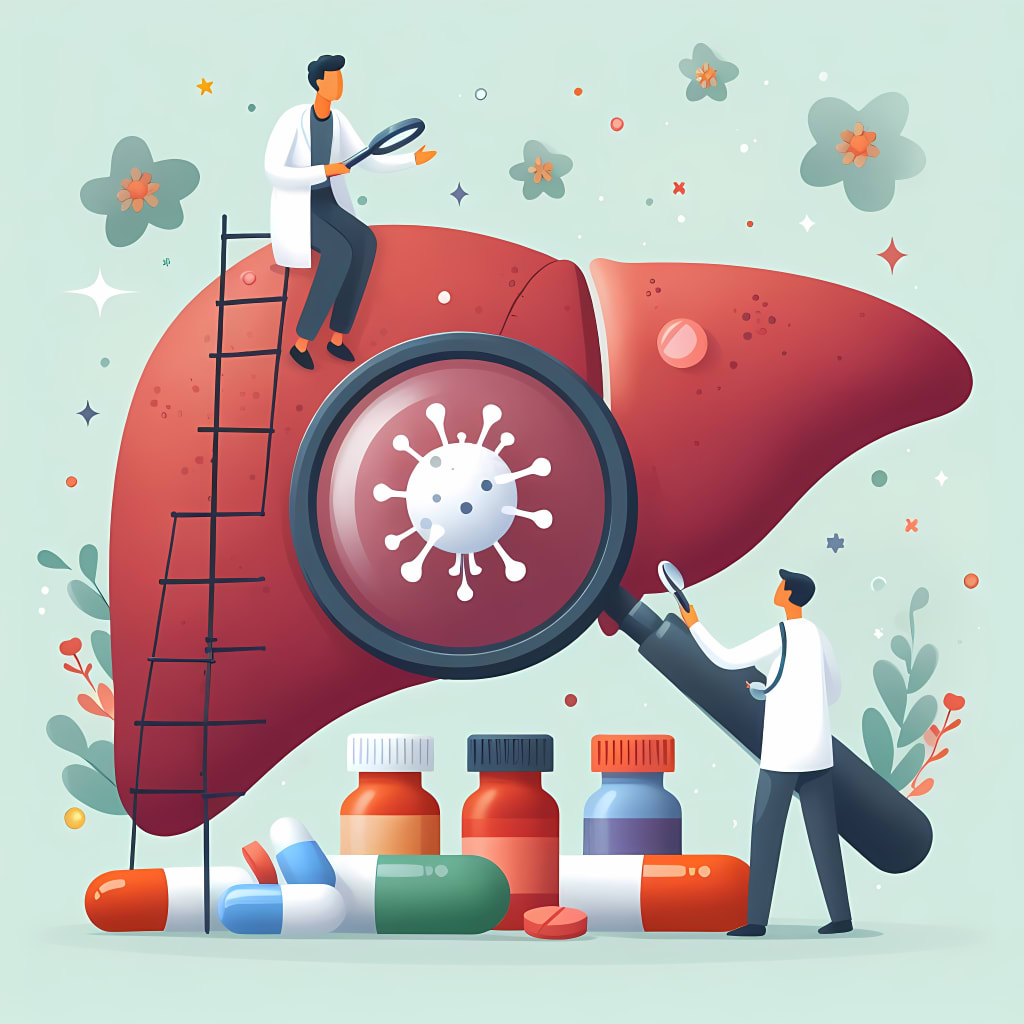
The liver is one of the most crucial organs in the human body, serving as the primary detoxification center. It filters blood, processes nutrients, and neutralizes harmful substances. However, in our modern world, our livers are constantly bombarded with various toxins that can compromise their function and overall health. Understanding these common toxins and learning how to avoid them is essential for maintaining optimal liver health.
1. Alcohol: The Well-Known Liver Enemy
Alcohol is perhaps the most widely recognized liver toxin. When consumed excessively, it can lead to a range of liver problems, from fatty liver disease to cirrhosis. The liver metabolizes alcohol, but this process generates harmful byproducts that can damage liver cells.
How to avoid:
Limit alcohol consumption to moderate levels (up to one drink per day for women and up to two for men)
- Have alcohol-free days each week
- Choose non-alcoholic alternatives when socializing
2. Processed Foods and Added Sugars
Highly processed foods and those high in added sugars can contribute to non-alcoholic fatty liver disease (NAFLD). Excess sugar consumption can lead to increased fat accumulation in the liver, potentially causing inflammation and damage.
How to avoid:
- Choose whole, unprocessed foods
- Read nutrition labels and avoid products with high added sugar content
- Cook meals at home using fresh ingredients
3. Environmental Toxins
Our environment is filled with potential liver toxins, including pesticides, herbicides, and industrial chemicals. These substances can accumulate in the body over time, putting strain on the liver's detoxification processes.
How to avoid:
- Choose organic produce when possible
- Use natural cleaning products in your home
- Filter your drinking water
- Avoid plastic containers for food storage, especially when heated
4. Medications and Over-the-Counter Drugs
Certain medications, particularly when used long-term or in high doses, can be toxic to the liver. Acetaminophen (Tylenol) is a common culprit when taken in excess.
How to avoid:
- Always follow dosage instructions on medications
- Discuss potential liver impacts with your healthcare provider when starting new medications
- Consider alternative pain management strategies when appropriate
5. Heavy Metals
Exposure to heavy metals like lead, mercury, and arsenic can be detrimental to liver health. These metals can accumulate in the body and interfere with liver function.
How to avoid:
- Be cautious with fish consumption, especially large predatory fish that may contain high levels of mercury
- Test your home for lead, especially if it was built before 1978
- Use a water filter certified to remove heavy metals
6. Air Pollution
While we often think of air pollution affecting the lungs, it can also impact liver health. Particulate matter and other pollutants can enter the bloodstream and eventually reach the liver, causing oxidative stress and inflammation.
How to avoid:
- Use air purifiers in your home
- Avoid exercising outdoors on high pollution days
- Support policies that reduce air pollution in your community
7. Excess Dietary Fat
While some fats are essential for health, consuming too much saturated and trans fats can lead to fat accumulation in the liver, potentially causing NAFLD.
How to avoid:
- Limit intake of fried foods, processed snacks, and fatty meats
- Choose healthy fats from sources like avocados, nuts, and olive oil
- Adopt a balanced diet rich in fruits, vegetables, and lean proteins
The Role of Liver Detox Supplements
As awareness of liver health grows, so does the market for liver detox supplements. These products often claim to support the liver's natural detoxification processes or even "cleanse" the liver. However, it's important to approach such supplements with caution.
While some ingredients in liver detox supplements, such as milk thistle or turmeric, have shown potential benefits for liver health in limited studies, the overall efficacy of these products is not well-established. Moreover, the supplement industry is not as tightly regulated as pharmaceuticals, which means the quality and safety of these products can vary widely.
It's crucial to remember that a healthy liver is capable of detoxifying itself without the need for special supplements. The best approach to supporting liver health is through lifestyle changes and avoiding harmful toxins rather than relying on liver detox supplements.
If you're considering using liver detox supplements, it's essential to consult with a healthcare professional first. They can provide guidance on whether such supplements are appropriate for your individual health situation and help you choose reputable products if deemed necessary.
Protecting your liver from common toxins is largely about making informed lifestyle choices. By being mindful of what you consume and the environmental factors you're exposed to, you can significantly reduce the toxic load on your liver. Remember, the liver is remarkably resilient, and even if it has sustained some damage, positive changes can often help it recover and maintain its vital functions. Prioritize a balanced diet, regular exercise, adequate hydration, and toxin avoidance as your first line of defense in promoting optimal liver health.
About the Creator
Emil Isaakov
I am a dedicated health writer focused on nutrition, fitness, and wellness. My goal is to provide evidence-based, approachable content that empowers you to lead a healthier life.
Enjoyed the story? Support the Creator.
Subscribe for free to receive all their stories in your feed.
Comments
There are no comments for this story
Be the first to respond and start the conversation.