
Climate Change Accelerating the Spread of Deadly Tick-Borne Virus in Europe
Climate change is helping this new deadly virus to spread across Europe

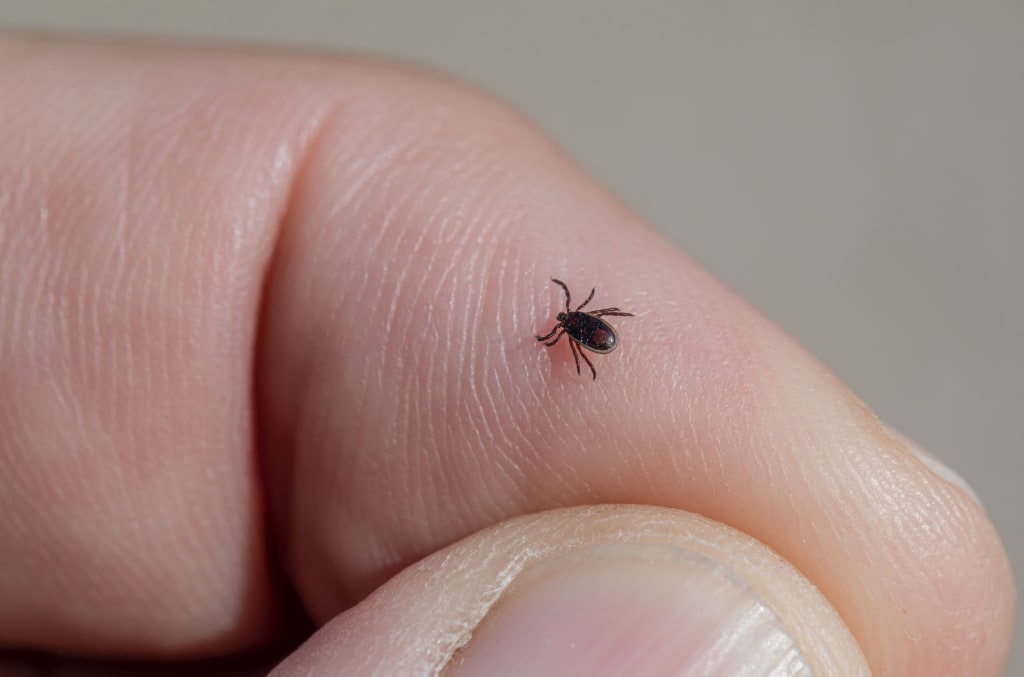
Climate change is not just altering the planet's landscapes and ecosystems; it is also influencing the spread of infectious diseases. Europe is currently experiencing the ramifications of this phenomenon, as rising temperatures create a conducive environment for ticks carrying the Crimean-Congo hemorrhagic fever (CCHF) virus. Once limited to regions like the Balkans, Africa, Asia, and the Middle East, this deadly disease is now posing a significant threat to public health across the continent.
Scientists have been sounding the alarm about the potential spread of CCHF, which has earned its place among the World Health Organization's (WHO) nine "priority diseases." These are the diseases deemed the most severe threats to global public health. What makes this warning particularly alarming is that it is already a reality in Europe. Spain, for instance, reported its first case of the disease last year, marking a concerning milestone in the virus's spread.
CCHF is caused by the Nairovirus, a tick-borne virus belonging to the Bunyaviridae family. It was initially discovered in Crimea in 1944, hence its name. The virus triggers severe outbreaks of viral hemorrhagic fever, characterized by symptoms such as high fever, headaches, joint and back pain, stomach ache, and vomiting. In more severe cases, individuals may experience jaundice, mood swings, and sensory disturbances. The fatality rate of CCHF ranges from 10 to 40 percent, making it a significant concern for public health.
While animals like cattle, sheep, and goats are susceptible to the virus, humans can contract it through tick bites or by coming into contact with infected animal blood or tissue during or immediately after slaughter. Consequently, individuals who work in slaughterhouses or veterinary professions are at a higher risk of contracting CCHF.
Ticks carrying the CCHF virus are taking advantage of Europe's changing climate. The warmer temperatures and longer, drier summers are creating favorable conditions for these ticks to thrive and spread further north through the continent. This shift in tick habitats can be attributed to climate change, which is altering ecosystems and impacting the distribution of various species.
To protect oneself from tick bites and reduce the risk of CCHF infection, individuals should take preventive measures. In areas where ticks are prevalent, such as countryside regions and grassy parks, it is advisable to wear long-sleeved clothing and trousers, preferably in light colors to facilitate the detection of ticks. Various sprays, repellents, and tick removal tools are available to help mitigate the risk. However, caution must be exercised during tick removal, as improper methods may result in the tick's body parts remaining embedded in the skin.
Efforts are underway to develop a safe and effective vaccine for CCHF. While an inactivated vaccine has shown promise and is currently used on a limited scale in eastern Europe, it is not widely available for human use. The antiviral drug ribavirin has proven effective in treating CCHF, offering hope for those infected with the virus.
The emergence and spread of CCHF in Europe underscore the urgent need for increased awareness, surveillance, and research to address the threat of vector-borne diseases in the context of climate change. It is crucial to develop comprehensive strategies that target tick populations and limit human exposure to infected ticks. Moreover, global collaboration is essential to effectively combat the growing public health risks associated with climate change and infectious diseases like CCHF.
The case of CCHF serves as a stark reminder of the interconnectedness between environmental changes and human health. As climate change continues to reshape our planet, it is imperative to prioritize the mitigation of its effects and the development of adaptive strategies. By taking proactive measures, conducting further research, and fostering international cooperation, we can better protect ourselves from the spread of deadly diseases like CCHF and create a more resilient and sustainable future for all.
About the Creator
Enjoyed the story? Support the Creator.
Subscribe for free to receive all their stories in your feed.
Comments
There are no comments for this story
Be the first to respond and start the conversation.