
Chandra Pranayama: Benefits, Steps, and How to Practice Moon Breathing
Discover the calming power of Chandra Pranayama, also known as Moon Breathing. Learn how to activate Chandra Nadi, understand its benefits, and practice this cooling pranayama for balance and well-being.
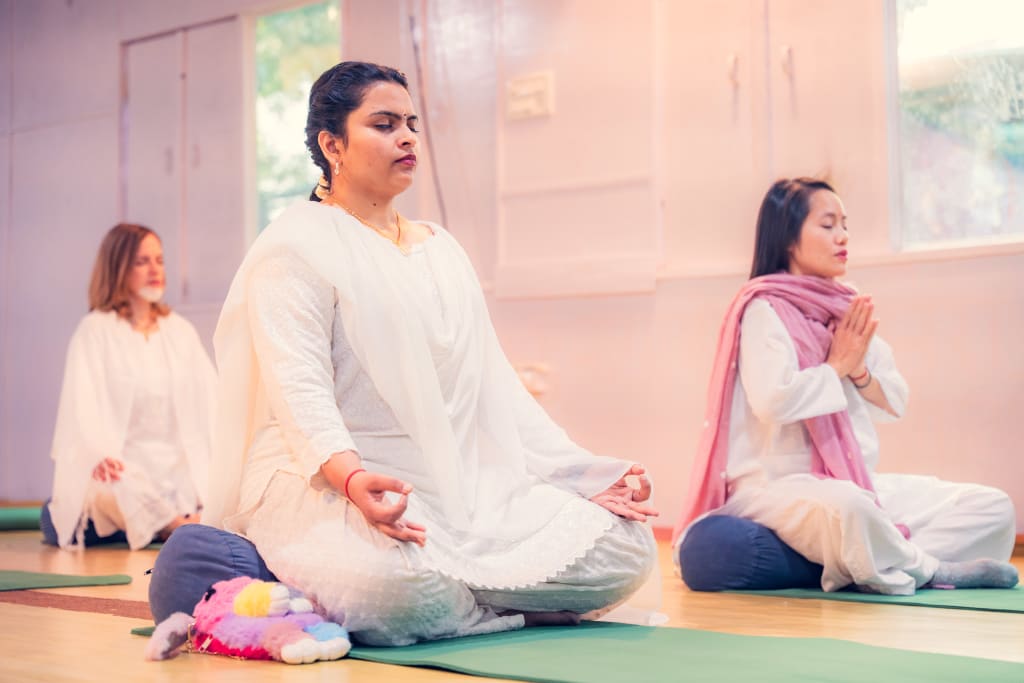
In the realm of yoga and pranayama, the ancient art of breath control, lies a powerful yet gentle technique known as Chandra Pranayama, often referred to as Moon Breathing. This practice, deeply rooted in yogic tradition, harnesses the energy of the moon (Chandra) to soothe the mind, cool the body, and harmonize the flow of prana (vital energy). This comprehensive article explores the intricacies of Chandra Pranayama, delving into its various benefits of pranayama, the precise steps involved in practicing it, and its significance within the broader context of pranayama. This practice is particularly relevant for those seeking tranquility and balance, especially in locations like Rishikesh, India, renowned for its spiritual and yogic traditions.
Understanding Chandra Nadi: The Lunar Energy Channel
Central to Chandra Pranayama is the concept of Chandra Nadi, the lunar energy channel. In yogic philosophy, the human body is believed to have a complex network of nadis, subtle energy pathways through which prana flows. Chandra Nadi is associated with the left nostril and is considered the channel of cooling, calming, and introspective energy. Understanding which nostril is Chandra Nadi is fundamental to the practice of Chandra Pranayama. It's also important to understand the interplay between Chandra Nadi and Surya Nadi, the other primary energy channel.
Chandra Pranayama: Steps to Practice Moon Breathing (with variations)
Mastering the correct technique is essential to experience the full spectrum of benefits of Chandra Pranayama and avoid any potential strain. Here's a step-by-step guide on how to do Chandra Pranayama, along with some variations:
Preparation: Find a comfortable seated position, either on a cushion on the floor or a chair, ensuring your spine is straight and your body is relaxed. This aligns with proper posture principles found in many yoga traditions.
Hand Position: Rest your left hand on your left knee, palm facing upwards (Jnana Mudra) or downwards (Chin Mudra). Your right hand should be in Vishnu Mudra (index and middle fingers folded inwards towards the palm).
Nostril Closure: Use your right thumb to gently close your right nostril.
Inhalation: Inhale deeply and slowly through your left nostril. Focus on the cool sensation of the breath.
Exhalation: Exhale slowly and completely through your left nostril. Maintain a gentle and controlled exhalation.
Repetitions: Continue this slow, deep breathing through your left nostril for a set number of repetitions, usually starting with 5-10 rounds. As you become more comfortable, you can gradually increase the number of repetitions.
Release: After completing the desired number of rounds, release the Vishnu Mudra and rest your hands on your knees. Observe the calming sensations in your body and mind.
Variations:
Chandra Bhedana Pranayama: This is often used interchangeably with Chandra Pranayama and emphasizes exclusive left nostril breathing.
Chandra Anuloma Viloma: This variation incorporates alternate nostril breathing, starting with inhalation through the left nostril, then closing the left nostril, and exhaling through the right. This helps to balance both Chandra Nadi and Surya Nadi.
Chandra Pranayama Benefits: Cultivating Balance and Harmony
The benefits of Chandra Pranayama are wide-ranging, encompassing physical, mental, and emotional well-being. This practice is particularly beneficial for those seeking to balance their energy, reduce stress, and cultivate inner peace. Many practitioners find it helpful for managing the stresses of daily life. Some of the key advantages include:
Cooling Effect: Chandra Pranayama is known for its distinct cooling effect on the body and mind. It helps to reduce heat and inflammation, making it beneficial during hot weather or for individuals with excess heat in their system. This cooling sensation is often associated with the calming energy of the moon.
Mental Calm: This pranayama soothes the nervous system, calming the mind and reducing stress, anxiety, and irritability. It promotes mental clarity and emotional stability, helping to quiet the inner chatter and cultivate a sense of peace.
Improved Sleep: By calming the mind and inducing relaxation, Chandra Pranayama can help improve sleep quality and combat insomnia. It can be a valuable tool for establishing a more restful sleep pattern.
Lowered Blood Pressure: Regular practice of this pranayama can help to lower blood pressure, making it beneficial for individuals with hypertension. However, it's important to consult with a healthcare professional before using pranayama as a primary treatment for hypertension.
Enhanced Focus: Chandra Pranayama improves concentration and focus by calming the mind and reducing distractions. This can be particularly helpful for students, professionals, and anyone seeking to enhance their mental clarity.
Emotional Balance: This practice helps to balance emotions, reducing mood swings and promoting a sense of inner peace. It can be a valuable tool for managing emotional turbulence and cultivating a more balanced emotional state.
Chandra Nadi: The Pathway to Lunar Energy
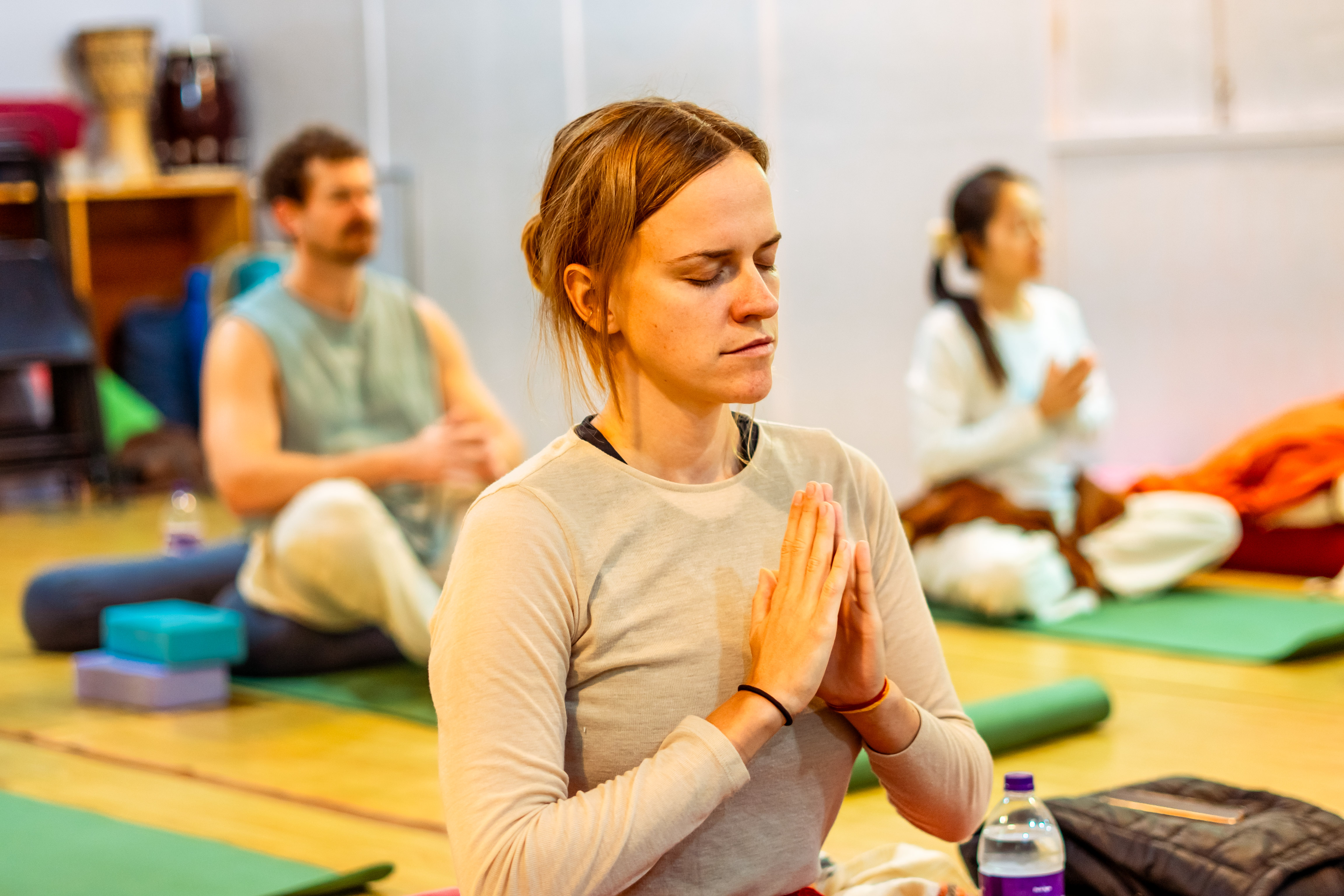
Chandra Nadi, the lunar channel, is associated with the left nostril and is believed to govern the parasympathetic nervous system, which is responsible for rest and digestion. How to activate Chandra Nadi involves practices like Chandra Pranayama that focus on breathing through the left nostril. Understanding the immediate effect of Chandra Nadi Pranayama can help practitioners appreciate its calming influence on their mind and body. Visualizing the cool, calming energy of the moon flowing through the left nostril can enhance the practice. Some practitioners use Chandra Nadi images as a focal point during their practice.
Surya Nadi and Chandra Nadi: Balancing Polarities
In yogic philosophy, the body is believed to be governed by two primary energy channels: Surya Nadi (the solar channel) and Chandra Nadi (the lunar channel). Surya Nadi is associated with the right nostril and is considered the channel of heating, energizing, and extroverted energy. Practices like Surya Bhedi Pranayama are used to activate this channel. Chandra Nadi and Surya Nadi are complementary forces, and their balance is essential for overall well-being.
Imbalances in these energies can manifest as physical, mental, or emotional disturbances. Practices like Nadi Shodhana Pranayama, also known as Anuloma Viloma, help to harmonize these two energy channels, promoting balance and well-being. Understanding the benefits of Surya Bhedi Pranayama and the benefits of Nadi Shodhana Pranayama can help practitioners choose the most appropriate techniques for their needs. Some practitioners also explore the left nostril breathing benefits and the right nostril breathing benefits to further understand the effects of these practices.
Chandra Bhedana Pranayama: Exploring the Variations
Chandra Bhedana Pranayama is another term often used to refer to Chandra Pranayama. It involves breathing exclusively through the left nostril, emphasizing the cooling and calming aspects of the practice. Understanding the nuances of Chandra Bhedana Pranayama can enhance the practitioner's experience and deepen their connection to the lunar energy. It's important to note that while the terms are often used interchangeably, some traditions may differentiate slight variations in technique or emphasis. Learning from a qualified instructor is the best way to understand these nuances. The Chandra Bhedana Pranayama benefits are similar to those of Chandra Pranayama, with a strong emphasis on cooling and calming.
Integrating Chandra Pranayama into Your Daily Routine
Chandra Pranayama can be incorporated into your daily routine in various ways. It can be practiced as a standalone pranayama or included as part of your yoga or meditation sessions. Even a few minutes of Chandra Pranayama can have a profound impact on your state of mind and overall well-being. Many find it particularly beneficial in the evening to prepare for sleep. It can also be a helpful practice during times of stress or emotional upset.
Chandra Pranayama and Modern Wellness Practices
The principles of Chandra Pranayama align with many modern wellness practices that emphasize the importance of deep breathing, mindfulness, and stress reduction. Its calming and balancing effects make it a valuable tool for managing the challenges of modern life. It complements other stress-reduction techniques like meditation and mindfulness exercises.
Chandra Pranayama: A Bridge Between Tradition and Modernity
Chandra Pranayama stands as a testament to the enduring wisdom of ancient yogic practices. Its ability to soothe the mind, cool the body, and harmonize the flow of prana makes it a relevant and powerful technique for cultivating balance and well-being in the modern world. By understanding the significance of Chandra Nadi, learning how to do Chandra Pranayama correctly, and appreciating its numerous benefits, you can unlock a pathway to inner peace and harmony.
For those exploring yoga and wellness in India, particularly in Rishikesh, home to many reputable institutions including some of the best yoga schools in Rishikesh, incorporating pranayama practices like Chandra Pranayama can be a transformative experience. Many seeking yoga teacher training school in Rishikesh will find that pranayama is a key component of their studies, deepening their understanding of yoga's holistic benefits. Remember to practice with awareness and respect, seeking guidance from a qualified instructor when needed.
About the Creator
Enjoyed the story? Support the Creator.
Subscribe for free to receive all their stories in your feed.
Comments
There are no comments for this story
Be the first to respond and start the conversation.