
Can You Disinfect Water with a Silver Spoon or Coin?
Why silver really can slow microbial growth, but cannot safely turn dirty water into drinking water.
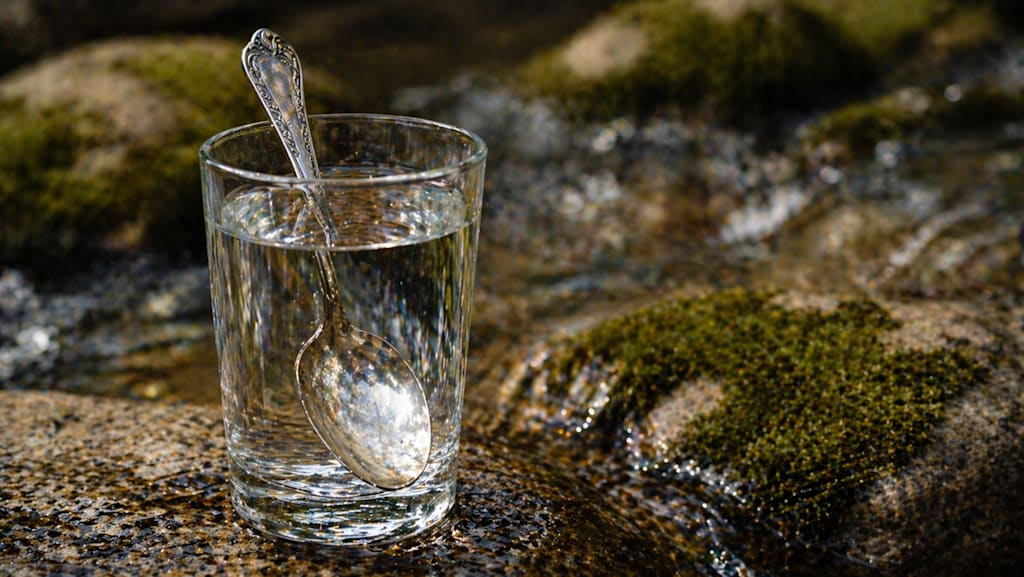
Imagine dropping a silver spoon into a glass of murky stream water, waiting a couple of minutes, and then drinking without fear. It sounds elegant. The idea has lived for centuries. People love it for its simplicity, for the noble image of silver, and for faith in ancient wisdom. But does it actually work? Or are we dealing with nothing more than a beautiful story that hikers and fans of folk remedies like to repeat?
How people came to the idea of silver in the first place
As early as 400 BCE, the ancient Greeks and Romans noticed that water stayed fresh longer in silver vessels. Herodotus wrote that the Persian king Cyrus carried drinking water only in silver jugs. This was not about luxury, but about a practical problem: preserving water during long campaigns.
In ancient India, silver plates were lowered into water before drinking. In medieval Europe, silver spoons were placed in jugs of milk so that it would sour more slowly. In Russian villages, there was a similar custom: when a well was blessed, a silver coin was thrown into it.
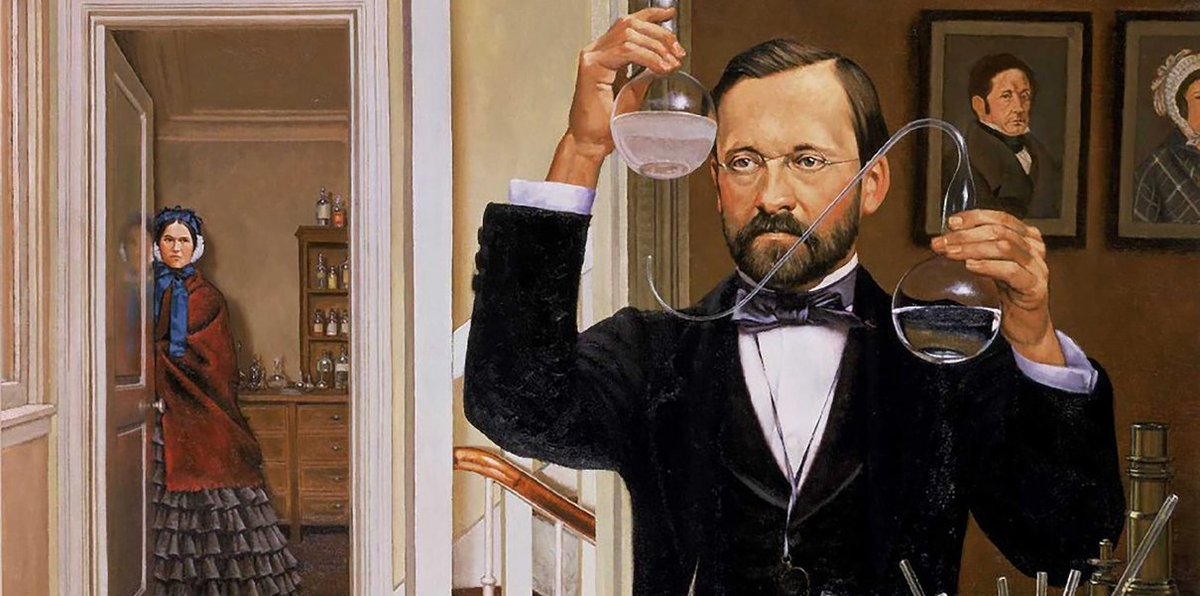
These people knew nothing about bacteria. Louis Pasteur would not identify them until 1861. But they could observe patterns: near silver, water and food spoiled more slowly. That is how a tradition was born and survived into the present day.
What is really happening
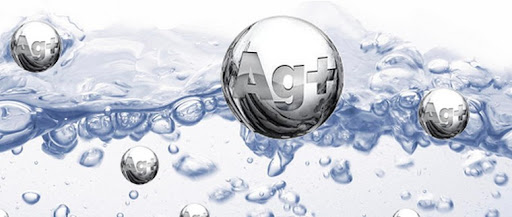
It is not the piece of metal itself that works, but silver ions. When a silver object sits in water, microscopic amounts of the substance pass into it. These ions can penetrate bacteria and disrupt their vital processes. As a result, the bacteria stop reproducing and eventually die.
In 1884, the German obstetrician Carl Siegmund Franz Crede proposed using a silver nitrate solution to treat the eyes of newborns in order to protect them from gonococcal infection. For decades, this method saved children from blindness. In 1893, the Swiss botanist Carl Nägeli introduced the term “oligodynamic action” — the ability of metals in small doses to kill microbes. Silver turned out to be one of the strongest metals in that group.
In the twentieth century, silver plates were used in drinking-water reservoirs on ships and airplanes. The astronauts of Apollo 11 in 1969 also drank water that had passed through silver filters. So this is not fiction. Silver really does have antimicrobial properties.
Why a spoon in a glass does not solve the problem
This is where the main gap between myth and reality begins. What works in medicine, in a laboratory, or in a complex technical system is almost useless in an ordinary household situation.
The concentration is wrong
For silver to actually suppress bacteria, the water has to contain about 0.1 to 0.5 milligrams of ions per liter. An ordinary silver spoon releases far less. Studies show that over the course of a day, only about 0.001 to 0.01 milligrams pass from it into a glass of water. That is hundreds of times below the necessary level. In other words, you would have to wait not minutes, but days.
Silver works slowly
Even at the right concentration, silver disinfects water slowly. To affect most dangerous bacteria, it needs hours, not a few minutes. If you drink the water right away, the microbes will not disappear — they will simply enter your body with the water.
It does not deal with every threat
Silver can act against E. coli and a number of other bacteria. But against viruses, such as rotavirus or hepatitis A, it is almost useless. Protozoa like Giardia and Cryptosporidium can survive as well. And these are often the very organisms responsible for waterborne infection in the countryside and on hiking trips.
What official organizations say
The World Health Organization has published several documents on this subject. Its position is simple: silver is not recommended for disinfecting drinking water in household conditions. The reason is that it is not sufficiently effective against viruses and protozoa. According to WHO, silver does not meet the minimum requirements for drinking-water treatment.
The U.S. Environmental Protection Agency also does not regard silver devices as a full bactericidal treatment for drinking water, except in very narrow cases involving already clean water and specialized systems.
WHO also points to the risk of side effects. With long-term consumption of water containing silver, argyria can develop — a condition in which the skin takes on a gray-blue tone. One of the best-known cases was the American Paul Karason, who drank a homemade silver solution for many years. He died in 2013, and his skin color never returned to normal.

Where silver is genuinely useful
It would be wrong to dismiss silver as worthless. It does have real and legitimate uses. They simply look nothing like the household legend about a spoon in a jug.
Medicine
Silver wound dressings are genuinely used in medicine. Examples include dressings such as Aquacel Ag or Mepilex Ag. In them, silver is present in a form that is released gradually and works exactly where it is needed.
Hospital water systems
Since the 1990s, some European hospitals have used silver-copper systems to fight Legionella, a bacterium that lives in hot water. But this is not a way to make dirty water safe to drink at home. It is a technical treatment of pipes under specialist supervision.
Water filters
Silver is also used in some camping filters, such as Katadyn. But not because it purifies water by itself. Its role is to prevent bacteria from multiplying inside the filter itself. The main work is done there by ceramic membranes or activated carbon.
Water storage
If the water is clean to begin with, silverware may slow down spoilage. That is exactly the effect the ancient Persians noticed. But silver does not turn dirty water into safe water.
Colloidal silver and marketing myths
At the end of the twentieth century, the United States and Europe saw a boom in colloidal silver — tiny metal particles suspended in water. Sellers promised everything at once: treatment for colds, tuberculosis, cancer, and even AIDS. Prices for such products rose to hundreds of dollars per bottle.
But research showed something else. The U.S. National Center for Complementary and Integrative Health reviewed available studies from 1966 to 2004 and concluded that there is no evidence that colloidal silver helps with any disease. The risk of argyria, however, is confirmed.
In 2009, the FDA prohibited colloidal silver from being sold as a medicine. Today such products are found only as dietary supplements, always with the disclaimer that their benefits have not been proven.
Conclusion
Silver in water is not a myth, but it is not a reliable method of disinfection either. Silver ions really can suppress bacteria, but the household method of “drop in a spoon and drink” does not work. The concentration is too low, the action is too slow, and against some dangerous microbes silver is weak or useless.
Ancient people noticed a real effect: silver can slow the spoilage of already clean water. But it cannot make murky stream water safe. When health is at stake, what you need is not a beautiful legend, but boiling, filters, chlorine, or ultraviolet light.
About the Creator
Enjoyed the story? Support the Creator.
Subscribe for free to receive all their stories in your feed.
Comments
There are no comments for this story
Be the first to respond and start the conversation.