
Can Tibetan singing bowls have a positive impact on people's health?
A systematic review on the effects of singing bowls on human health: An expert perspective.
What is singing bowl therapy?
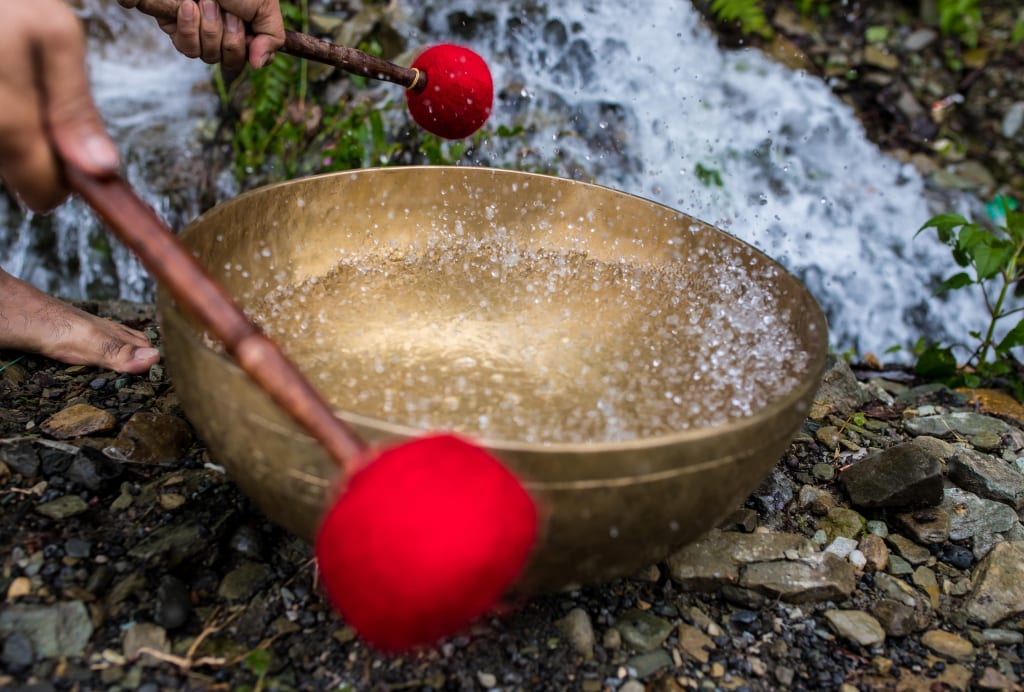
Enhance your meditation experience and find relaxation with singing bowls, which are metal and crystal bowls that produce sustained sounds and vibrations when struck or circled with a mallet. These bowls are perfect for deepening your practice and promoting a peaceful state of mind.
Singing bowls are commonly utilized in sound therapy and guided meditations, where they are placed around the room or on the body, alone or with the assistance of a practitioner. Their sizes may vary, providing a personalized experience for the user. Remember to always consult an expert for maximum benefits.
Experience the soothing melodies of singing bowls by watching this video featuring six-time Grammy-nominated singer Jhené Aiko, who has helped introduce these traditional instruments into contemporary music.
In addition to promoting relaxation, singing bowl sound therapy is believed by many to potentially provide additional benefits:
- improve sleep
- lessen chronic pain
- reduce symptoms of anxiety and depression
- reduce anger
- improve respiratory rate
- improve blood pressure
- improve symptoms of some neurological disorders such as fibromyalgia and Parkinson’s disease
What is sound therapy?
Singing bowl therapy is a type of sound therapy that utilizes singing, chanting, and instrumental music. It has been used for centuries and has gained popularity as a complementary treatment for various physiological and mental health ailments.
According to UCLA, their music therapy treatment program has been supported by research which suggests that sound therapy has the ability to alleviate physiological symptoms and improve mental well-being.
McGill University has conducted extensive research on the neurochemistry of music. According to the researchers, the practice of sound therapy has long been established and has become increasingly utilized in clinical settings over the years. Healthcare professionals often rely on this form of therapy for various conditions.
- personal growth
- relaxation
- pain management
- psychotherapy
Where did singing bowls come from?
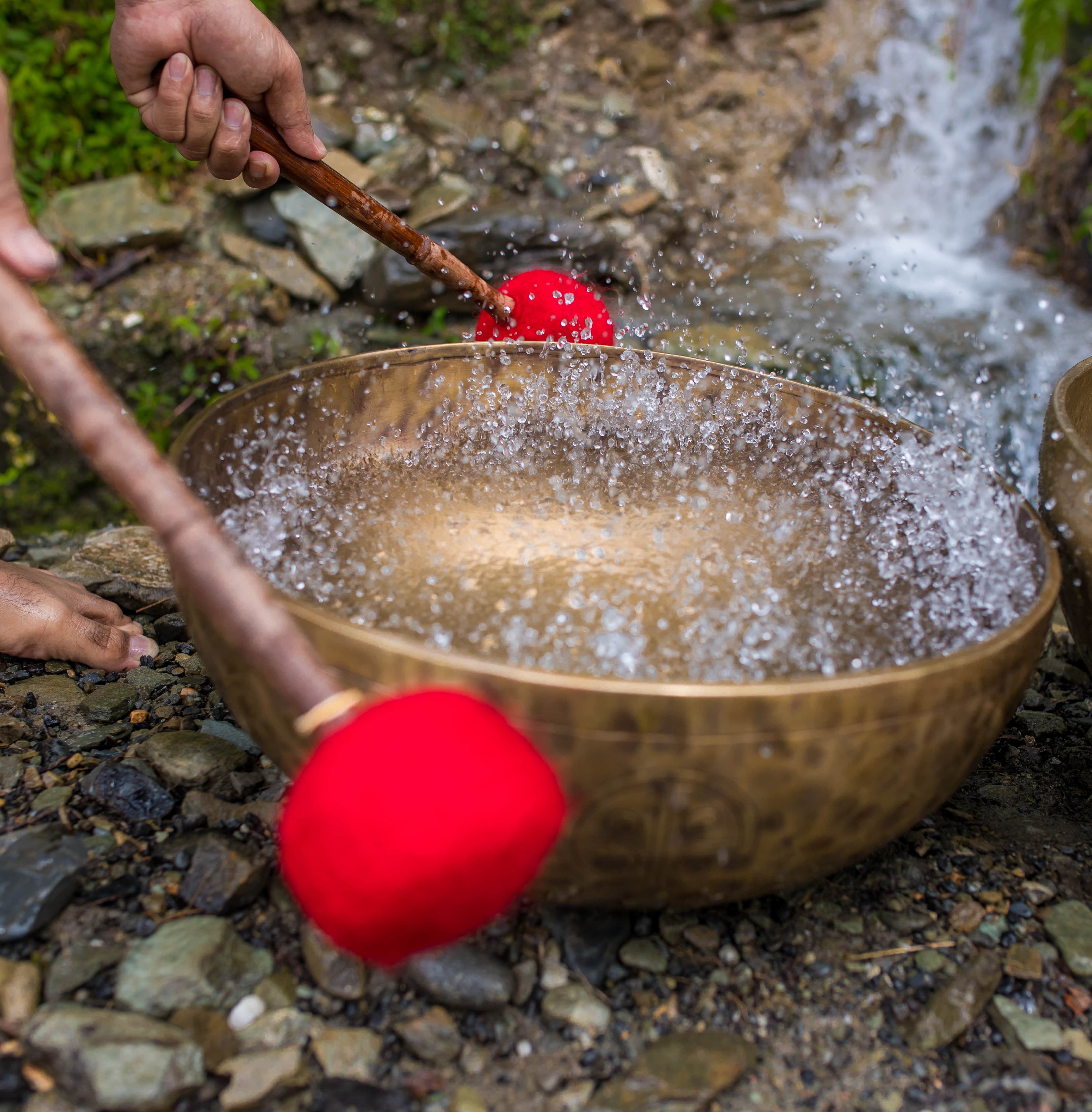
Throughout history, singing bowls have played a significant role in religious and spiritual ceremonies, as well as meditation, in Tibet and neighboring areas. According to the Kripalu Center for Yoga and Health, these bowls have been used since 560–480 BC.
Some experts challenge the supposed connection between singing bowls and Tibet, arguing that the use of singing bowls for healing and relaxation is a modern trend. Additionally, there are critiques of portraying a link between singing bowls and Tibet as cultural appropriation.
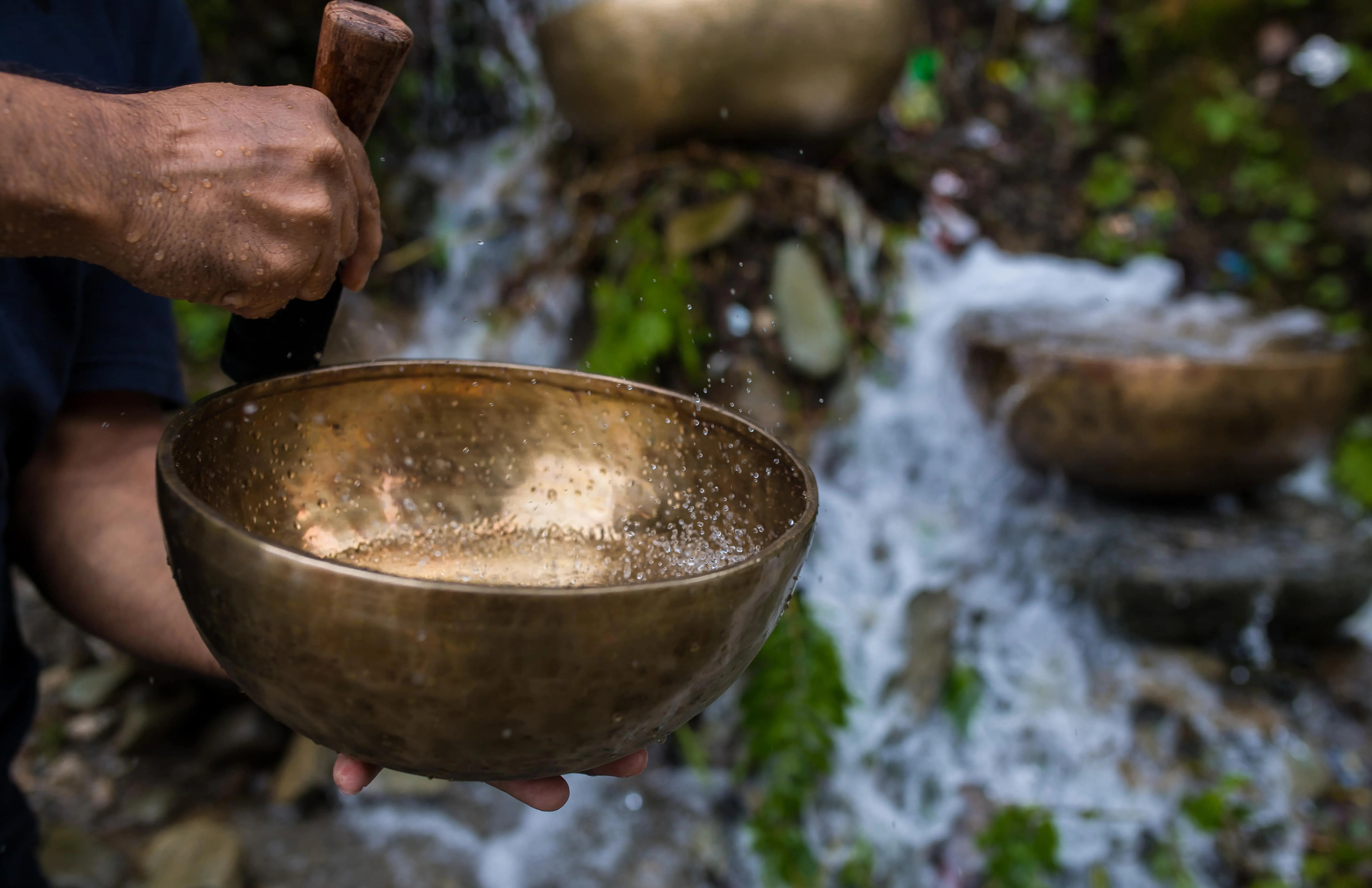
Singing bowls are typically crafted from metallic alloys, like copper and brass, similar to the materials found in church bells. Some variations also feature quartz crystal as a main component.
Are there any potential benefits to using singing bowls?
The potential effects of singing bowls on health and well-being are not fully understood.
Some theories include:
- The vibrations and sound produced by singing bowls may be the key to their effectiveness.
- The resonance of the bowl's sound waves interact with your body's energy field, resulting in a state of relaxation.
- The singing bowls' sound may trigger binaural beats, promoting relaxation through the production of brain waves such as beta and theta waves. This technique, known as entrainment, utilizes pulsing sound or light to stimulate brain activity.
Music therapy may have the potential to decrease levels of the stress hormone cortisol, leading to a feeling of increased relaxation.
What does the research say?
A recent review of four studies conducted in 2020 found that singing bowl therapy was effective in enhancing mental and emotional well-being. These results were consistent with an earlier observational study from 2016. Among the observed improvements were:
- depression
- anxiety
- tension
- fatigue
- anger
- vigor
- confusion
The study found significant gains in physical well-being, such as:
- respiratory rate
- heart rate
- blood pressure
- peripheral capillary oxygen saturation
According to a 2019 study, Himalayan singing bowls are effective in quickly inducing a deep state of relaxation, often in less than 20 minutes. This relaxation is both more intense and more consistent than simply resting in silence.
According to a pilot study in Italy, Tibetan singing bowls were found to alleviate distress and promote a sense of well-being in individuals with metastatic cancer. The bowls were also effective in reducing anxiety, involuntary mental activity, and stress. Further research is recommended by the researchers to validate these findings.
A German study conducted in 2022 concluded that singing bowl massage can lead to a reduction in overall EEG power, which may contribute to a feeling of well-being. The researchers suggested conducting larger studies to validate their findings.
Are there any potential precautions to using singing bowls?
Makers and practitioners of singing bowls may provide additional precautions. For example, Shanti Bowl advises users with common warnings to keep in mind:
Beginners: Begin by practicing with 5-minute intervals at a slower pace, allowing yourself time to observe the effects of the singing bowls.
Surgery. After undergoing a surgical procedure, it is recommended to refrain from using singing bowls on your body until both your sutures have been removed and your skin has fully healed.
Epilepsy: Singing bowls may potentially induce seizures, so those with epilepsy should generally refrain from using them.
Bodily conditions: It is recommended to avoid placing singing bowls adjacent to any tumors, implants, screws, or artificial joints.
Skin conditions: To avoid exacerbating inflammatory skin conditions such as psoriasis, eczema, or hives, experts advise against placing bowls on your body. This could potentially aggravate the skin condition, according to practitioners.
Metal implants: Please refrain from using singing bowls if you have metal devices implanted in your body, such as a pacemaker, coronary shunt, artificial heart valves, or metal pins or staples. The vibrations from the singing bowl could potentially disrupt the metal in your body, leading to injury or failure of the device.
Mental health: When using singing bowls, it is common for individuals to experience strong recollections, emotions, and thoughts. If you have been diagnosed with a mental disorder such as PTSD, anxiety, or depression, it is recommended that you consult with your doctor or therapist to effectively manage any potential triggers.
Children: Carefully monitor your child’s use of a singing bowl to prevent damage to their hearing. It is important to use this product correctly to avoid any potential harm.
Pregnancy: When expecting, it is generally advised to avoid using singing bowls. However, with permission from a medical professional, brief sessions may be attempted as long as the bowls are kept at a safe distance from the abdomen and spine.
Lack of effective treatment for health problems
For optimal effectiveness, it is crucial to regard Tibetan singing bowls as a complementary treatment for both physical and mental health conditions rather than a standalone solution.
It is important not to postpone necessary treatment or therapy in order to incorporate Tibetan singing bowls into your healing plan. Please consult with your doctor about any potential treatments, including singing bowls, for a diagnosed condition.
How to use Tibetan singing bowls
For singing bowl therapy, the practitioner will arrange the bowls in one of several configurations while you lie down on the floor. Possible arrangements may include placing the bowls directly on or near your body.
- around your body.
- on different points on your body.
- Gather around the room (if there are multiple individuals in therapy), ensuring that there is at least one bowl positioned near your head.
One option is for either the practitioner or the customer to strike the bowl with a mallet and then use the mallet to create a circular motion with varying pressure and speed. This technique produces different sounds and can emit a range of vibrational frequencies.
Singing bowls can be utilized for guided meditation or as a standalone tool.
Guidance
Research has shown that sound therapy with singing bowls can provide benefits for various mental and physical conditions. The strongest evidence is for relaxation, particularly when the bowls are used in conjunction with guided meditation.
Tibetan singing bowls are generally considered safe, with limited evidence suggesting potential negative effects. However, individuals with certain conditions or circumstances, such as pregnancy, epilepsy, or metal implants, should take precautions before using them.
Experts in the field have extensively researched the potential health benefits of using singing bowls, particularly in the last ten years. To validate the reported benefits of singing bowl therapy, further studies on a larger scale are necessary, according to researchers.
About the Creator
Enjoyed the story? Support the Creator.
Subscribe for free to receive all their stories in your feed.
Comments
There are no comments for this story
Be the first to respond and start the conversation.