
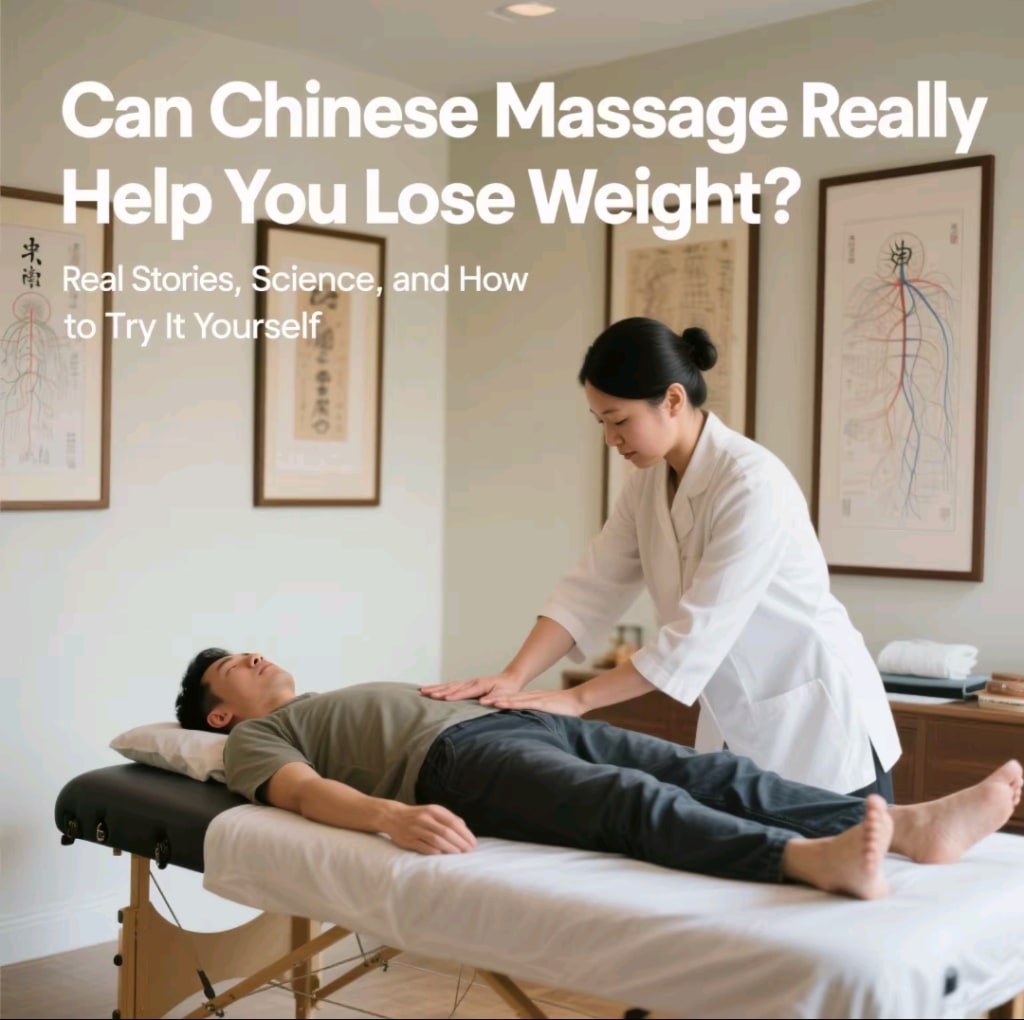
Can Chinese Massage Really Help You Lose Weight? Real Stories, Science, and How to Try It Yourself
Uncover the Secrets of TCM Massage: From Stagnant Qi to Slim Success—Your Path to Effortless Weight Loss

Introduction: When Diets and Workouts Fail—Could Massage Be the Answer?
Ever felt like you're stuck in an endless loop of dieting and sweating at the gym, only to see the scale refuse to budge? You're not alone. Meet Lisa, a 34 - year - old teacher from New York City. She'd been down every diet road imaginable—keto, intermittent fasting, and even trendy juice cleanses. Hours at the gym became routine, yet the pounds stayed put. "I was so frustrated," Lisa recalls. "It felt like my body was working against me."
That's when she discovered Chinese massage. "I was skeptical at first," she admits. "How could pressing certain spots on my body help me shed weight? But I was desperate for a change." To her surprise, after four months of regular Chinese massage sessions combined with some simple diet adjustments, Lisa lost 18 pounds. "I wasn't starving myself or doing intense workouts. It was a more gentle, sustainable way to transform my body."
So, is Chinese massage a legitimate weight - loss solution, or just another passing fitness fad? In this article, we'll explore the ins and outs of Chinese massage for weight loss, backed by real - life stories, scientific research, and practical tips you can try at home.
How TCM Massage Works: From “Stagnation” to “Flow”
Traditional Chinese Medicine (TCM) offers a unique perspective on the human body. It posits that our bodies are traversed by a network of energy pathways called meridians, and along these meridians lie specific points known as acupoints. When the flow of Qi (our body's vital energy) along these meridians is obstructed or imbalanced, it can give rise to various health issues, including weight gain.
According to TCM, there are three primary types of obesity patterns:
1. The "Damp - Phlegm" type: Individuals with this pattern often have a penchant for greasy, fried foods. They may experience a constant sense of sluggishness, have a thick, sticky coating on their tongue, and tend to accumulate fat, particularly around the abdomen.
2. The "Qi Stagnation" type: These people typically carry a heavy stress load. They might suffer from bloating, mood swings, and find weight loss challenging because the blocked Qi disrupts their metabolism.
3. The "Yang Deficiency" type: People in this category frequently feel cold, lack energy, and have a slow - paced metabolism. Their bodies struggle to burn calories efficiently, leading to gradual weight gain.
Chinese massage, or Tui Na, functions by applying pressure, kneading, and stroking techniques to these acupoints and along the meridians. This stimulates the flow of Qi, helping to:
- Boost metabolism: By unblocking the energy pathways, the body's metabolic processes are enhanced, enabling it to burn calories more efficiently.
- Improve digestion: Many acupoints are closely related to the digestive system. Massage can help regulate digestion, reduce bloating, and prevent constipation, all of which are often associated with weight gain.
- Reduce stress: Stress is a major contributor to weight gain, as it can trigger overeating and hormonal imbalances. Tui Na massage promotes relaxation, reducing stress - related hormones in the body.
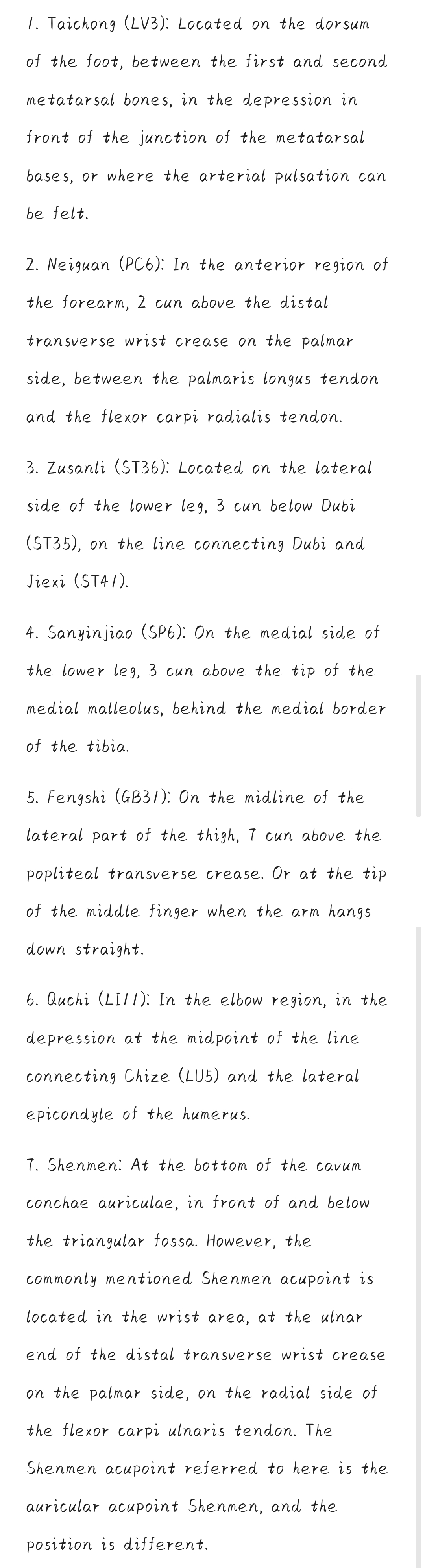
To illustrate, consider Tom, a busy corporate lawyer in Los Angeles. Constant stress led to irregular eating habits and weight gain. His TCM practitioner identified him as the "Qi Stagnation" type. After a series of Tui Na sessions focusing on acupoints like Taichong (LV3) and Neiguan (PC6), Tom noticed a significant drop in his stress levels. As an added bonus, he also began to shed weight gradually as his digestion improved and his appetite became more regulated.
Real Results: How Jake Lost 15 Pounds in 3 Months—No Gym Required
Jake, a 35 - year - old software engineer from Seattle, was in a tough spot. His sedentary job, coupled with a love for junk food, had caused him to gain 20 pounds over two years. "I tried going to the gym, but after a few weeks, I'd always find an excuse to skip," Jake says. "I felt hopeless."
A friend recommended Chinese massage, and Jake decided to give it a shot. His TCM practitioner diagnosed him with "Spleen Qi Deficiency," a common TCM condition that can lead to poor digestion and weight gain. The practitioner devised a personalized massage plan for Jake, which included:
- Daily abdominal massage: Every morning, Jake would lie on his back and gently massage his abdomen in a clockwise direction for about 10 minutes. This simple routine helped kick - start his digestive system.
- Acupoint stimulation: He focused on acupoints like Zusanli (ST36), known to strengthen the immune system and improve digestion, and Sanyinjiao (SP6), which helps regulate the body's internal functions.
- Weekly professional Tui Na sessions: Jake visited his practitioner once a week for a full - body Tui Na massage.
Over the next three months, Jake stuck to his massage routine religiously. He also made small dietary changes, reducing his intake of processed foods and increasing his vegetable consumption. The results were remarkable. Jake lost 15 pounds, his energy levels soared, and he no longer felt bloated after meals. "I couldn't believe how something as simple as massage could make such a huge difference in my life," Jake says. "I feel like a whole new person."
5 At - Home Massage Techniques Even Lazy Girls (and Guys!) Can Master
The beauty of Chinese massage is that you don't need to be an expert or have a lot of time to get started. Here are five easy - to - do at - home massage techniques that can aid your weight loss journey:
1. The "Magic Belly Rub"
- How - to: Lie on your back, relax your muscles, and place one hand on top of the other on your abdomen. Begin massaging in a slow, circular motion, moving clockwise. Press gently but firmly, aiming for 5 - 10 minutes. This motion follows the natural direction of digestion in the intestines, helping to boost gut motility and reduce bloating.
- Benefit: It stimulates the digestive system, aids in food breakdown, and can even alleviate constipation, a common hurdle in weight loss.
2. Thigh - Slimming Tap
- How - to: Stand up straight with your feet shoulder - width apart. Form loose fists with your hands and gently tap the outside of your thighs, starting from the top near your hips and working your way down to your knees. Do this for 3 - 5 minutes on each leg. You can also focus on the acupoint Fengshi (GB31), located on the outside of the thigh, roughly midway between the hip and the knee.
- Benefit: Tapping stimulates the Gall Bladder meridian, which assists in fat breakdown. It can also improve blood circulation in the thighs, reducing the appearance of cellulite.
3. Arm Toning Squeeze
- How - to: Sit comfortably and lift one arm. Use your opposite hand to gently squeeze and knead the back of your upper arm, where "bat - wing" fat often accumulates. Move your hand up and down the arm, applying moderate pressure. Do this for 2 - 3 minutes on each arm. Don't forget to press the Quchi (LI11) acupoint, located in the elbow crease when the elbow is bent.
- Benefit: This technique helps tone arm muscles, increases blood flow, and stimulates the Large Intestine meridian, which is linked to metabolism.
4. Foot Reflexology for Overall Health
- How - to: Sit down and place one foot on your opposite thigh. Use your thumbs, fingers, and knuckles to apply pressure to different areas of the foot. Pay special attention to areas corresponding to the digestive organs, such as the solar plexus reflex (in the center of the foot) and the pancreas reflex (below the solar plexus). You can also massage the bottom of the big toe, associated with the brain and helpful in reducing stress - related eating.
- Benefit: Foot reflexology is a holistic approach that can enhance overall body function, including digestion and metabolism. It also promotes relaxation, which can help control stress - induced weight gain.
5. Ear Acupressure for Appetite Control
- How - to: Use your thumb and index finger to gently pinch and massage different parts of your ear. There are several acupoints on the ear related to appetite, such as the "Hunger Point" (Shenmen), located in the triangular fossa of the ear. Apply gentle pressure to this point for about 30 seconds on each ear, several times a day, especially when you feel hungry.
- Benefit: Stimulating these ear acupoints can help regulate appetite, reduce cravings for unhealthy foods, and even improve sleep, crucial for weight management.
The Science Behind the Magic (and What It Can’t Do)
While Chinese massage has been used in TCM for centuries, it's important to examine the scientific evidence supporting its weight - loss claims. Several modern studies have yielded promising results. For instance, a study published in the Journal of Alternative and Complementary Medicine found that a combination of Chinese massage and acupuncture led to significant weight loss and body fat reduction in participants over an 8 - week period. Another research project suggested that massage can stimulate the release of endorphins, which not only make us feel good but can also curb stress - related overeating.
However, it's essential to be realistic. Chinese massage is not a miracle cure - all. It won't work if you're still indulging in junk food or living a sedentary lifestyle. It's most effective when combined with a balanced diet (rich in fruits, vegetables, lean proteins, and whole grains) and regular physical activity (even a 30 - minute walk each day can make a difference).
Also, Chinese massage isn't suitable for everyone. People with certain medical conditions, such as deep vein thrombosis, skin infections, or severe osteoporosis, should avoid it or consult a doctor first. And remember, results vary from person to person. Some may see changes in a few weeks, while others might take months of consistent practice.
Who Should Skip This? 3 Red Flags and 5 Common Mistakes
Three Red Flags
1. Pregnancy: Pregnant women should avoid Chinese massage, especially on the abdomen and lower back. Massage can stimulate the uterus, increasing the risk of miscarriage or premature labor.
2. Recent surgeries or injuries: If you've had surgery recently or have a fresh injury, avoid massaging the affected area. Massage could disrupt the healing process or cause more pain and swelling.
3. Serious medical conditions: Individuals with heart disease, uncontrolled high blood pressure, or cancer should consult their doctor before starting Chinese massage. In some cases, the pressure and techniques used in massage might not be safe.
Five Common Mistakes
1. Pressing too hard: Just because you think "more pressure means better results" doesn't make it true. Over - pressing can cause pain, bruising, and tissue damage. The key is to apply gentle but firm pressure, and ease up if it hurts.
2. Not being consistent: Chinese massage is not a one - and - done deal. You won't see significant weight loss if you only do it sporadically. Make it a regular part of your routine, whether it's daily at - home massages or weekly professional sessions.
3. Ignoring diet and exercise: As mentioned before, massage works best when combined with a healthy lifestyle. Don't rely solely on massage to shed pounds. Cut back on processed foods, sugar, and unhealthy fats, and get moving!
4. Using the wrong techniques: Each massage technique has a specific way of being done. Using incorrect techniques might not yield the desired results and could cause discomfort. Take the time to learn the proper methods, either through online tutorials or by asking a professional.
5. Self - diagnosing and treating: Don't assume you know your TCM "pattern" of obesity and start massaging random acupoints. It's best to consult a qualified TCM practitioner who can accurately diagnose your condition and recommend the most effective massage plan for you.
Conclusion: A Gentle Way to “Reset” Your Body—No Pain, Just Patience
Lisa, Jake, and countless others have shown that Chinese massage can be a game - changer in the weight loss journey. It's not about quick fixes or extreme measures. Instead, it's a gentle, holistic approach that works with your body to improve its natural functions, from metabolism to digestion to stress management.
So, if you're tired of the endless cycle of diets and intense workouts that leave you feeling defeated, why not give Chinese massage a try? Start small, be consistent, and remember to combine it with a healthy lifestyle. With a little patience, you might just discover a new, more enjoyable way to achieve your weight loss goals and feel better in your own skin.
About the Creator
Enjoyed the story? Support the Creator.
Subscribe for free to receive all their stories in your feed.
Comments
There are no comments for this story
Be the first to respond and start the conversation.