
Blood Sugar Guide
Regulating Blood Sugar Leads To Better Health

10 Ways to Balance Blood Sugar for Optimal Health
High blood sugar levels are an epidemic in the US, with over 86 million people suffering from diabetes or prediabetes. With high blood sugar comes an increased risk of heart disease, stroke, nerve damage, kidney disease, and more. Luckily, you can do a lot to balance your blood sugar through diet and exercise; the following 10 tips will help you get started on that path to healthier living.
1) Eat Protein at Every Meal
1. Eat protein at every meal. Protein helps regulate blood sugar levels by slowing down the absorption of carbohydrates.
2. Include healthy fats in your diet. Healthy fats help stabilize blood sugar levels and promote satiety.
3. Eat complex carbohydrates instead of simple carbs. Complex carbs are slowly absorbed and don’t cause spikes in blood sugar levels.
4. Avoid processed foods and added sugars. These foods can cause spikes in blood sugar levels and contribute to poor health.
5. Get regular exercise. Exercise helps regulate blood sugar levels and can also help you lose weight if needed.
6. Drink plenty of water throughout the day. Water helps flush out toxins and can also help control hunger levels.
7. Monitor your blood sugar levels regularly.

2) Add Cinnamon to Your Diet
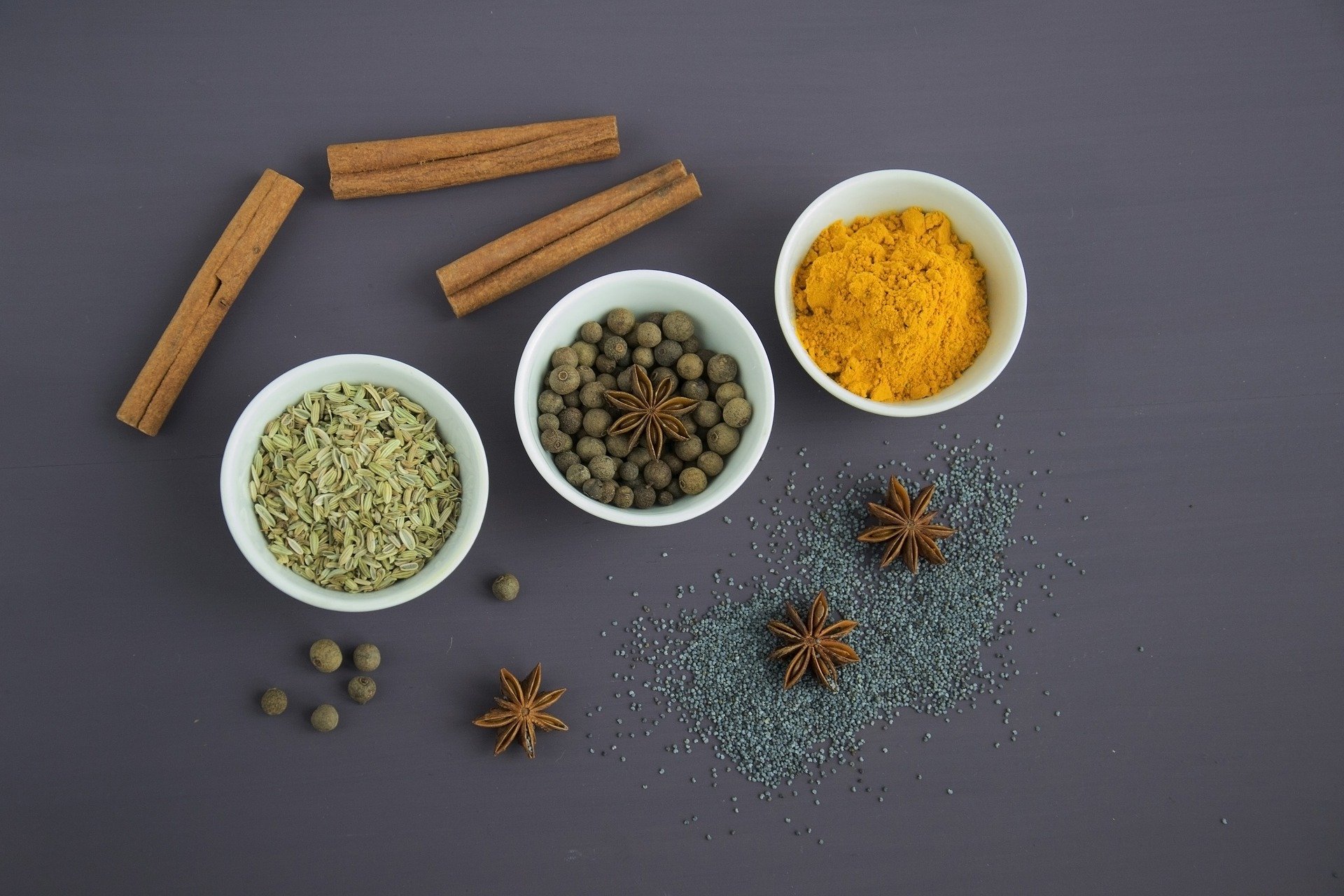
Cinnamon is one of the most effective spices when it comes to regulating blood sugar. Just half a teaspoon of cinnamon per day can help improve insulin sensitivity and decrease fasting blood sugar levels. Adding cinnamon to your diet is easy - try sprinkling it on oatmeal, in coffee or tea, or on top of roasted sweet potatoes.
3) Add Ginger Root Powder to Your Drinks
If you’re looking for a natural way to regulate blood sugar, consider adding ginger root powder to your drinks. Ginger has been shown to help lower blood sugar levels and improve insulin sensitivity. Plus, it can help reduce inflammation and soothe the digestive system. Here are 10 ways to enjoy ginger root powder. Add 1⁄2 teaspoon of dried ginger root powder to tea or hot water before drinking.
Add 1⁄4 teaspoon of dried ginger root powder to a smoothie or fruit juice before drinking.
Add 1 tablespoon of fresh grated ginger to dishes like curries, stir-fries, soups, rice dishes and sauces just before serving. Pinch some fresh or powdered ginger onto sushi just before eating it.
Get A Copy Of The Blood Sugar Guide Book!

4) Avoid White Breads
If you’re looking to regulate blood sugar, one simple change you can make is to avoid white breads. White breads are made with refined flour, which has been stripped of its natural nutrients and fiber. This makes it easier for the body to convert into sugar, leading to spikes in blood sugar levels. Instead, opt for whole grain breads or those made with alternative flours like almond or coconut flour. They provide more fiber and healthy fats, so they don’t cause as much of a spike in blood sugar levels. To balance your intake of carbs throughout the day, choose foods that have a high-fiber content, such as vegetables or beans. Aim for 5-6 servings per day. Whole grains also contain magnesium, a mineral that plays an important role in regulating blood sugar levels. Magnesium can be found in dark leafy greens, almonds, blackberries, pumpkin seeds and bananas. Eat Protein at Every Meal: Eating protein at every meal helps to stabilize blood sugar levels because it slows down digestion so glucose doesn’t enter the bloodstream too quickly. Choose sources of protein like eggs, fish or tofu over high-carbohydrate items like rice cakes or sweet potatoes.

5) Increase Fiber Intake by Eating More Vegetables
Vegetables are an excellent source of fiber, which can help regulate blood sugar levels. Fiber slows down the absorption of sugar into the bloodstream, helping to keep blood sugar levels balanced. aim for at least 2-3 cups of vegetables per day. Try adding them to your breakfast smoothie, lunchtime salad, or as a simple side dish at dinner. Grate raw carrots and add them to: oatmeal, omelets, cottage cheese, and stir fry. Sauté green beans with olive oil and garlic; they make a delicious side dish with steamed rice.
To get more greens in your diet try salads dressed with vinegar instead of heavy dressings like ranch or bleu cheese dressing. You'll get more flavor without all the calories from fat and cream based dressings. Make your own dressings by combining vinegar (either balsamic or apple cider), oil (such as olive), salt, pepper, lemon juice, honey mustard or other spices you enjoy such as cumin. Add fresh herbs such as parsley, dill, basil, oregano, thyme or rosemary if desired.

6) Get Enough Sleep
Sleep is vital for our overall health and well-being, but it’s especially important when it comes to regulating blood sugar. When we don’t get enough sleep, our bodies can’t properly process and use insulin, which can lead to blood sugar imbalances. Here are 10 ways you can help balance your blood sugar by getting enough quality sleep 1) Stick to a Regular Bedtime Routine: Follow a regular bedtime routine that gives you time to wind down from the day, then fall asleep before 11 p.m. Doing so will ensure that your body knows when it’s time for sleep, which will allow you to wake up feeling refreshed and energized in the morning. Try reading, relaxing with some soothing music or soaking in a warm bath. Some people find that winding down before bed with some light stretching or yoga helps them prepare their body for sleep.
7) Eat Chia Seeds and Flaxseed Oils
If you’re looking for a natural way to help regulate blood sugar, look no further than chia seeds and flaxseed oils. Both of these superfoods have been shown to help improve insulin sensitivity and decrease blood sugar levels. Here are 10 ways you can add them to your diet mix 1 tablespoon of ground flaxseed with yogurt or apple sauce, use a tablespoon of whole chia seeds in baking recipes, try using 1⁄4 cup instead of cornstarch in breading and frying vegetables. The Omega-3 fatty acids found in both foods are also great for maintaining healthy cholesterol levels. Flaxseed oil is a good source of alpha-linolenic acid (ALA), which helps lower the risk of heart disease. Chia seeds contain calcium, magnesium, potassium and other minerals that promote cardiovascular health and reduce inflammation in the body.
8) Use Stevia Sweeteners in Tea, Coffee, or Cooking
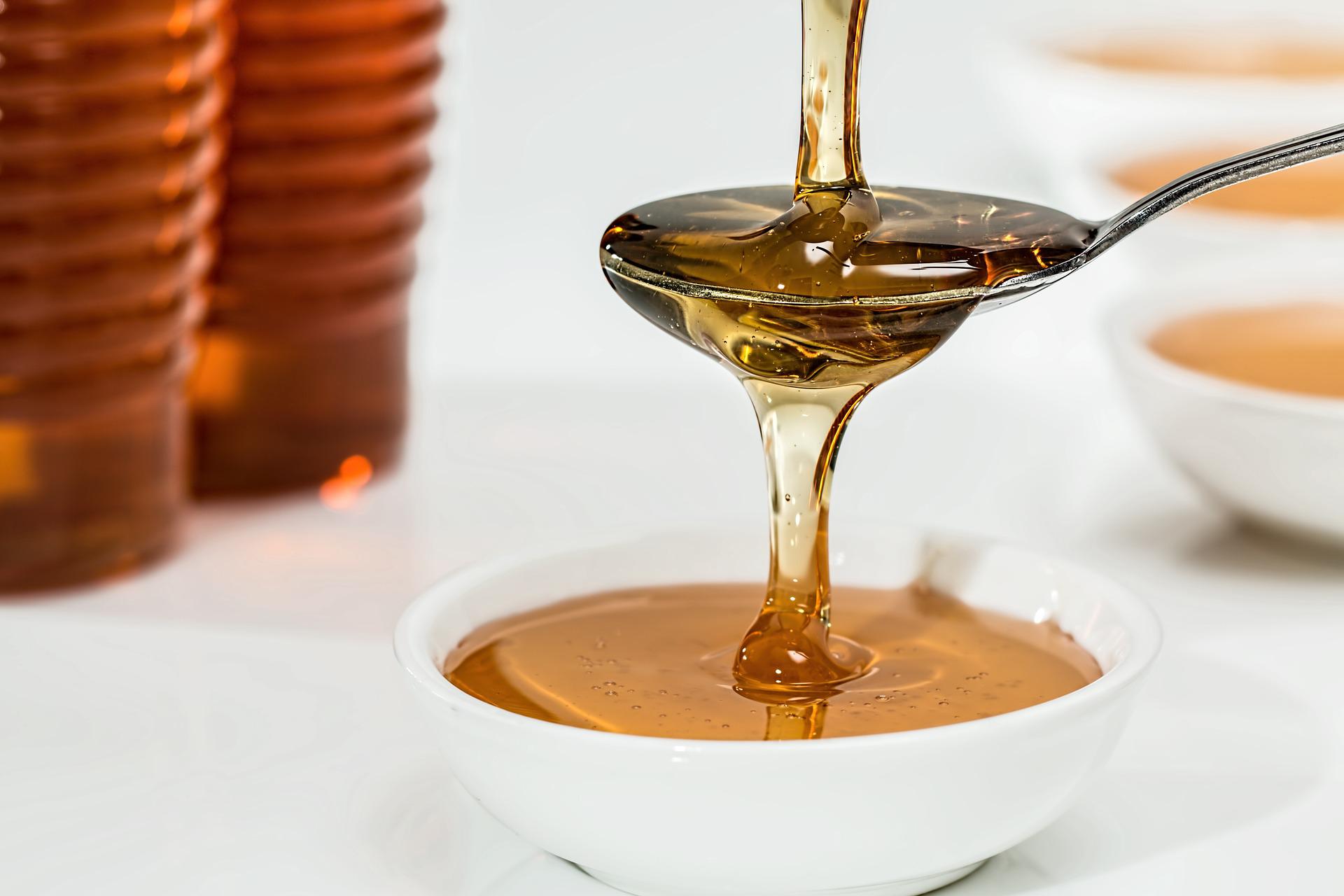
If you’re looking for a natural way to regulate blood sugar, stevia may be the answer. This sweetener comes from the stevia plant and has been used for centuries in South America. Today, it’s becoming more popular as people look for alternatives to sugar and artificial sweeteners. Here are 10 ways you can use stevia to balance blood sugar 1) Make your tea or coffee healthier by adding just a packet of stevia instead of sugar or cream. 2) Replace white rice with brown rice, which is less processed and therefore better for regulating blood sugar levels. 3) Try an egg-white omelet instead of whole eggs—this will help keep your cholesterol levels down while satisfying your appetite with protein. 4) Pack nuts and fruit like grapes, apples, or oranges when you go out so that you have healthy snacks on hand if you need them. 5) Add cinnamon to your breakfast toast for added flavor—cinnamon helps control insulin response, making it easier for the body to process sugars after eating. 6) Have green leafy vegetables like spinach in your salad at lunch time because they have lots of fiber that slows digestion and prevents spikes in blood sugar levels after eating.

9) Take Vitamin D Supplementation Daily
Vitamin D is an important nutrient that helps regulate blood sugar levels. A deficiency in vitamin D has been linked to insulin resistance, which can lead to type 2 diabetes. Taking a daily vitamin D supplement can help prevent blood sugar imbalances and keep your health on track. It’s important to consult with your doctor before taking any supplements though, as some may interfere with prescription medications or affect the way other drugs work. As always, talk to your physician before changing or adding anything new to your regimen.
A balanced diet should include a combination of proteins (like nuts), fats (such as avocados), and complex carbohydrates (such as oats). These foods provide the body with the nutrients it needs for optimal functioning and will help you maintain healthy blood sugar levels all day long. You should also limit intake of high-sugar foods like cookies, cake, donuts, or other baked goods.
Get A Copy Of The Blood Sugar Guide Book!

10) Start Exercising Now!
If you’re looking to improve your health and regulate your blood sugar levels, one of the best things you can do is start exercising regularly. Here are some tips to get started -Start slowly with short workouts 3-4 times a week that gradually increase in intensity as you become more fit.
-Mix up your exercise routine with cardio, strength training, and flexibility exercises.
-Find a workout buddy or partner who will keep you accountable to showing up each day.
-Don't forget to warm up before working out and cool down afterwards! -For weight loss, it's important to decrease caloric intake by 500 calories per day.
-Eat plenty of vegetables, fruit, lean protein, whole grains and low fat dairy products; cut back on red meat and sweets; drink lots of water; avoid soda.
-Finally: Take care of yourself by getting enough sleep (7 hours), reducing stress (take deep breaths) and doing something you enjoy every day!
About the Creator
Enjoyed the story? Support the Creator.
Subscribe for free to receive all their stories in your feed.
Comments
There are no comments for this story
Be the first to respond and start the conversation.