
Best 7 ayurvedic medicine on daily use ?
Traditional Life Style

Ayurveda is a traditional system of medicine that originated in India over 5,000 years ago. The word Ayurveda is derived from the Sanskrit words "ayus" meaning life and "veda" meaning knowledge or science. Thus, Ayurveda is considered as the "science of life."
Ayurveda is based on the belief that health and wellness depend on a delicate balance between the mind, body, and spirit. It emphasizes the use of natural methods to maintain health and prevent disease, such as herbal remedies, massage, and dietary and lifestyle changes.
One of the key principles of Ayurveda is the concept of three doshas, or energies, that govern the body. These doshas are vata, pitta, and kapha, and each person has a unique balance of these doshas that determine their individual constitution. Imbalances in these doshas can lead to illness and disease, and Ayurveda aims to restore balance and promote health through personalized treatments.
Ayurveda also emphasizes the importance of a healthy diet and lifestyle, which includes eating natural and seasonal foods, practicing yoga, and maintaining a daily routine. It also encourages the use of herbal remedies, massage, and other natural therapies to promote healing and prevent disease.
One of the unique aspects of Ayurveda is its holistic approach to health and wellness. It recognizes that health is not just the absence of disease, but a state of physical, mental, and spiritual well-being. Ayurveda aims to treat not only the symptoms of a disease, but also the root cause, and to promote overall health and balance in the body.
Another important aspect of Ayurveda is its focus on prevention. Ayurvedic practitioners aim to prevent disease by identifying and correcting imbalances in the body before they become serious health issues. This includes regular check-ups and consultations, as well as lifestyle and diet recommendations to maintain balance and prevent disease.
In the modern world, Ayurveda is gaining more and more popularity as an alternative medicine, as it is considered to be more natural, holistic and less invasive. It is now widely recognized as a complementary and integrative medicine, and is increasingly being used in hospitals and clinics alongside conventional medicine.
Overall, Ayurveda is considered as an art of life, as it is not just a system of medicine, but a way of life that promotes balance, health, and well-being through natural methods. It teaches us how to live in harmony with nature and our surroundings, and how to maintain balance in our minds, bodies, and spirits.
Ayurveda, an ancient Indian system of medicine, emphasizes the use of natural foods to maintain health and prevent disease. Here are some commonly recommended ayurvedic foods for daily use:
Ghee: Ghee, or clarified butter, is believed to be nourishing for the body and mind and is often used in cooking and as a supplement.

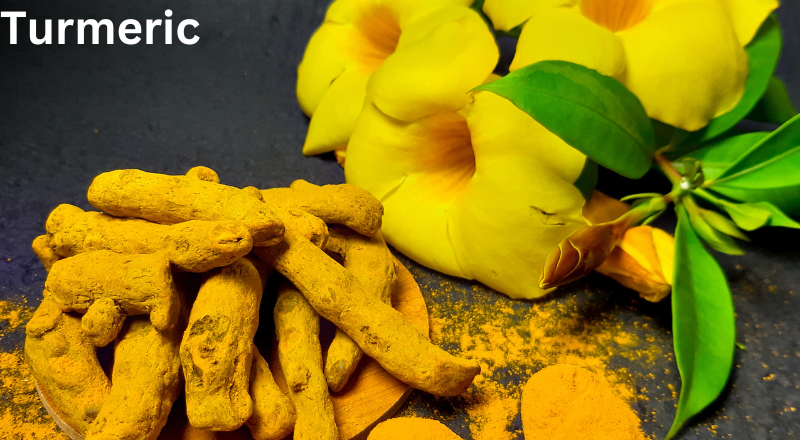
Turmeric: Turmeric is known for its anti-inflammatory and antioxidant properties and is often used to add flavor and color to dishes.
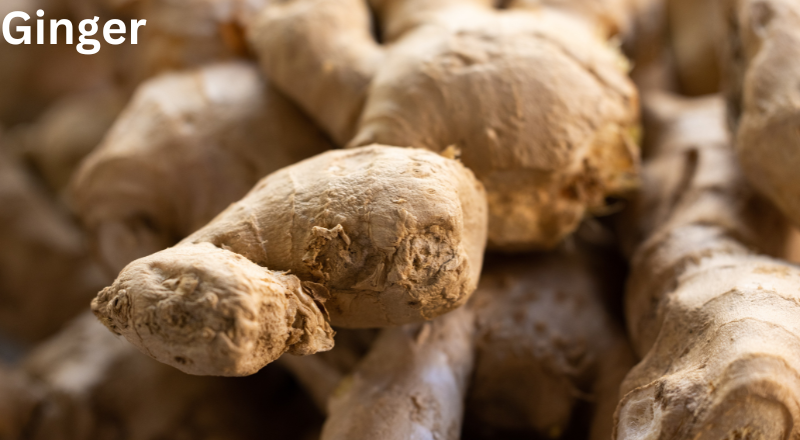
Ginger: Ginger is believed to aid digestion and is commonly used in cooking and as a tea.
Triphala: Triphala is a blend of three fruits that is believed to support digestion and detoxification.

Amla: Amla, also known as Indian gooseberry, is a rich source of vitamin C and is believed to support the immune system.

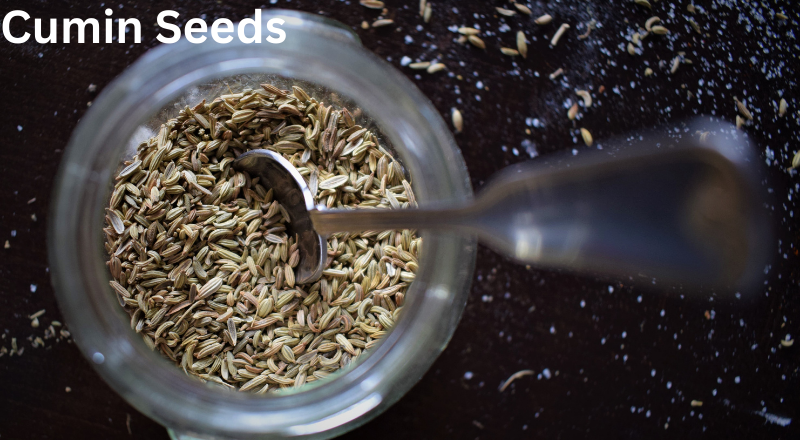
Cumin: Cumin is a spice that is believed to aid digestion and is often used in Indian cuisine.
Holy basil: Holy basil, also known as tulsi, is believed to have medicinal properties and is often used in teas and supplements.

It's important to consult with an Ayurvedic practitioner to know the best diet plan that works for your body type.
About the Creator
Prabu Lakshmanan
Organic former comes software enginner
Enjoyed the story? Support the Creator.
Subscribe for free to receive all their stories in your feed.
Comments
There are no comments for this story
Be the first to respond and start the conversation.