
Atrial Fibrillation (AFib) Life Hack!
Atrial Fibrillation (AFib): Symptoms, Causes, and Natural Management
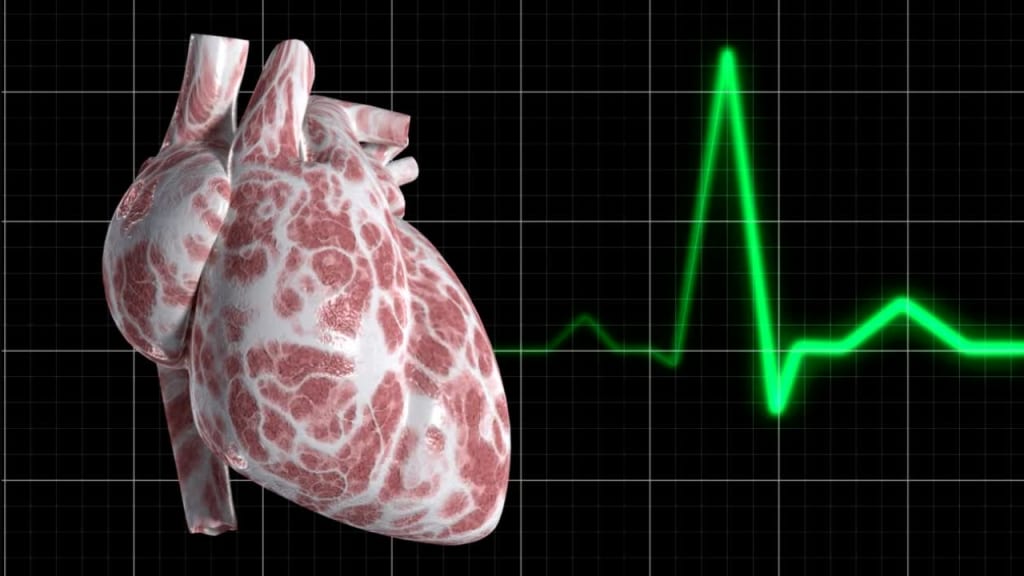
Atrial fibrillation (AFib) is a condition where the heart's rhythm becomes irregular, often leading to rapid and chaotic heartbeats. It can cause uncomfortable symptoms like heart palpitations, shortness of breath, and fatigue. Over time, untreated AFib increases the risk of stroke, heart failure, and other cardiovascular issues.
The good news? While medical interventions are often necessary, there are several natural strategies that can help manage AFib. These lifestyle changes, diet adjustments, and holistic practices can complement traditional treatments, potentially reducing AFib episodes and improving your overall quality of life.
What is AFib?
Before diving into natural management, let’s briefly understand what AFib is. AFib occurs when the heart's upper chambers (the atria) beat irregularly, causing poor blood flow to the rest of the body. This erratic beating is caused by abnormal electrical signals in the heart.
- Common symptoms of AFib include:
- Palpitations (feeling of a rapid or irregular heartbeat)
- Shortness of breath
- Chest pain
- Dizziness or fainting
- Fatigue, especially during physical activity
Though AFib can occur intermittently, it can also become a chronic issue, requiring ongoing management.
1. Diet: The Foundation of Heart Health
A balanced diet rich in heart-healthy nutrients is one of the most effective ways to naturally manage AFib. Here are some foods to focus on:
a. Omega-3 Fatty Acids
Omega-3s have been shown to reduce inflammation and lower the risk of heart disease, making them great for people with AFib. Fatty fish like salmon, mackerel, and sardines are excellent sources. If you're vegetarian, flaxseeds and walnuts are good alternatives.
b. Magnesium-Rich Foods
Magnesium plays a crucial role in regulating heart rhythms. Incorporate leafy greens (like spinach), nuts, seeds, and avocados into your diet. Studies show that magnesium deficiencies are linked to an increased risk of AFib episodes.
c. Antioxidant-Rich Vegetables and Fruits
Antioxidants help reduce oxidative stress, which can trigger AFib. Bright-colored fruits and vegetables, such as berries, citrus fruits, and leafy greens, should be daily staples.
d. Avoid Excessive Caffeine and Alcohol
Excessive caffeine or alcohol can increase your chances of triggering AFib. If you love your morning coffee, consider switching to herbal tea or limiting your intake to one cup per day. Reducing alcohol consumption, especially binge drinking, can also make a significant difference.
2. Maintain a Healthy Weight
Obesity is a significant risk factor for AFib. Studies suggest that losing weight, even just 5-10% of your body weight, can help reduce AFib episodes. Regular exercise combined with a heart-healthy diet can help maintain a healthy weight, which directly impacts your heart health.
Exercise Recommendations for AFib
Moderate-intensity exercises, like brisk walking, swimming, or cycling, are ideal. Avoid high-intensity workouts, which may trigger an AFib episode. Yoga, in particular, is a fantastic option because it combines physical activity with stress reduction—two key elements for managing AFib naturally.
3. Stress Management: Key to Calming the Heart
Stress is a major trigger for AFib. When you're stressed, your body releases adrenaline and cortisol, both of which can trigger irregular heart rhythms. Finding ways to manage and reduce stress is crucial for AFib patients. Here are some natural stress-relief techniques:
a. Mindfulness and Meditation
Mindfulness practices and meditation help lower heart rate and reduce stress hormones. Even 10-15 minutes a day of focused breathing or guided meditation can calm your heart and mind.
b. Yoga
Yoga not only improves flexibility and strength but also promotes relaxation. Specific yoga poses, like child’s pose, corpse pose, and bridge pose, are particularly calming for the heart.
c. Deep Breathing Exercises
Breathing deeply activates the parasympathetic nervous system, which helps slow the heart rate and reduce AFib triggers. Try inhaling deeply for four counts, holding for four, and exhaling for four counts to calm your system.
4. Stay Hydrated
Dehydration can cause electrolyte imbalances, leading to AFib episodes. Drinking plenty of water throughout the day helps keep your heart rhythms stable. If you're sweating from exercise or heat, make sure to replenish electrolytes (like potassium and magnesium) through foods or natural electrolyte drinks.
5. Sleep: Essential for Heart Health
Poor sleep or sleep apnea can increase the risk of AFib. Getting 7-8 hours of quality sleep each night is crucial for your heart’s health and rhythm. If you suspect sleep apnea—a condition where breathing stops and starts during sleep—consult a doctor. Treating sleep apnea with devices like a CPAP machine can significantly reduce AFib occurrences.
6. Herbal Remedies: Natural Support for AFib
Several herbs have been traditionally used to support heart health. Always consult a healthcare professional before starting any herbal remedies, especially if you're taking prescription medications. Some herbs to consider include:
Hawthorn: Known for improving circulation and supporting heart function.
Motherwort: Traditionally used to reduce palpitations and improve heart rhythm.
Valerian Root: Used for relaxation and may help reduce stress-induced AFib episodes.
7. Acupuncture: A Holistic Approach
Acupuncture, an ancient Chinese practice, has been shown to help regulate heart rhythms and reduce AFib episodes. It involves inserting fine needles into specific points on the body to promote balance and health. Some research suggests that acupuncture may help calm irregular heart rhythms by influencing the autonomic nervous system.
FAQs
>>Click here to get the THE AFIB HACK e-book guide for FREE<<
1. Can lifestyle changes completely cure AFib?
While lifestyle changes can significantly reduce the frequency and severity of AFib episodes, they may not completely eliminate the condition. It’s important to work with your doctor to create a comprehensive management plan.
2. How much exercise is safe for AFib?
Moderate-intensity exercise like walking, swimming, or yoga is generally safe and beneficial for AFib. However, it's best to avoid high-intensity or competitive sports, which may trigger episodes.
3. Should I avoid all caffeine if I have AFib?
Not necessarily. Small amounts of caffeine (like a single cup of coffee) are usually okay, but it’s wise to monitor your symptoms and see if caffeine triggers your AFib episodes.
Final Thoughts: Embrace a Holistic Approach to AFib
Managing AFib naturally requires a holistic approach—one that includes diet, exercise, stress reduction, and lifestyle adjustments. While these natural strategies are essential for heart health, always consult with your healthcare provider before making any major changes, especially if you're on medication. Remember, combining natural methods with medical treatment can offer the best path to managing AFib effectively and improving your quality of life.
>>Click here to get the THE AFIB HACK e-book guide for FREE<<
About the Creator
Enjoyed the story? Support the Creator.
Subscribe for free to receive all their stories in your feed.
Comments
There are no comments for this story
Be the first to respond and start the conversation.