
Are X-Rays Really Necessary in Dental Exams?
Necessity of Dental X-rays During Teeth Examinations

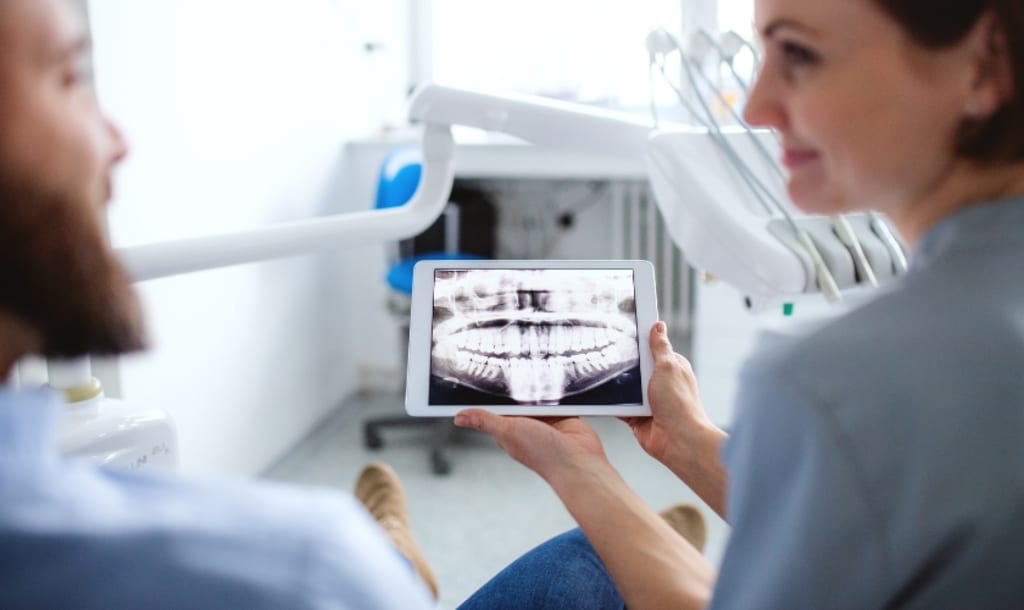
A bright smile is often a sign of good oral health, but there’s more to dental care than what meets the eye. Hidden beneath the surface, potential issues can develop without any noticeable symptoms. This is where dental X-rays come in—offering a deeper look into your oral health. But are they truly necessary? Many people wonder whether these radiographs are essential or just an added step in routine checkups. Let's dive into the science behind dental X-rays and why they play a crucial role in maintaining a healthy smile.
The Role of X-Rays in Dental Exams
During a routine dental exam, a visual check alone may not reveal all underlying problems. X-rays, also known as radiographs, allow dentists to detect hidden dental issues before they escalate into serious conditions. These images provide a detailed view of your teeth, roots, jawbone, and surrounding structures.
X-rays help identify:
- Cavities between teeth that are not visible during a visual exam.
- Bone loss due to gum disease can lead to tooth instability.
- Developing wisdom teeth and their alignment in the jaw.
- Infections or abscesses at the root of the teeth.
- Fractures or damage after trauma to the mouth.
Without X-rays, these conditions could go unnoticed until they cause pain or require more extensive treatment.
Types of Dental X-Rays and Their Purpose
There are different types of dental X-rays, each designed for specific diagnostic purposes. The type your dentist recommends will depend on your oral health needs.
1. Bitewing X-Rays
- Primarily used to detect early-stage cavities between teeth.
- Show how well the upper and lower teeth align.
- Commonly taken once a year during routine exams.
2. Periapical X-Rays
- Focus on an entire tooth, from crown to root.
- Help detect abscesses, cysts, or deep decay.
- Used for evaluating individual tooth problems.
3. Panoramic X-Rays
- Capture a full view of the entire mouth, including the jaw and sinuses.
- Useful for identifying wisdom teeth growth, jaw disorders, and tumors.
- Recommended in specific cases rather than during every visit.
4. Cone Beam CT Scans
- A 3D imaging technique used for dental implants, complex extractions, and orthodontic planning.
- Offers a more comprehensive view than traditional X-rays.
Each type of X-ray serves a distinct role, ensuring a thorough assessment of your dental health.
Are Dental X-Rays Safe? Understanding Radiation Exposure
One of the most common concerns about dental X-rays is radiation exposure. However, modern technology has significantly reduced radiation levels, making them safe for routine use.
Here’s why dental X-rays are considered safe:
Minimal Radiation: The amount of radiation in a single dental X-ray is extremely low—comparable to a few hours of natural background radiation from the sun.
Digital X-Rays: Most dental offices now use digital X-rays, which reduce radiation exposure by up to 90% compared to traditional film X-rays.
Protective Shields: Lead aprons and thyroid collars further minimize radiation exposure, especially for children and pregnant women.
Selective Use: Dentists only recommend X-rays when necessary, avoiding unnecessary exposure.
For most individuals, the benefits of early detection far outweigh the minimal risks associated with X-rays.
How Often Do You Need Dental X-Rays?
The frequency of dental X-rays depends on age, oral health history, and risk factors. While some people may need them annually, others may require them less frequently.
General guidelines include:
- Children & Teens: May need X-rays more often due to developing teeth and higher cavity risks.
- Adults with Good Oral Health: Typically require X-rays every 1-2 years.
- Patients with Gum Disease or a History of Cavities: May need more frequent X-rays to monitor changes.
- Emergency Cases: If you experience sudden tooth pain or trauma, X-rays can help pinpoint the cause.
Your reliable Rocklin dentist will assess your individual needs and recommend X-rays accordingly.
Can You Skip X-Rays During a Dental Exam?
Some patients hesitate to get X-rays, wondering if they are truly necessary. While you can decline X-rays, it may limit your dentist’s ability to diagnose issues accurately. Conditions like early decay, bone loss, and infections could go undetected until they worsen.
However, if you’re concerned about radiation exposure or cost, discuss alternative solutions with your dentist. They can evaluate your oral health and determine whether you can safely postpone X-rays without compromising your dental care.
The Bottom Line: Are X-Rays Worth It?
X-rays are an invaluable tool in dental exams, offering insights that a visual check cannot provide. They help detect problems early, preventing costly and painful treatments down the road. With modern technology ensuring safety and efficiency, dental X-rays remain an essential part of maintaining long-term oral health.
If you’ve been hesitant about getting X-rays, rest assured that their benefits far outweigh any concerns. Prioritizing preventive care today can save you from unexpected dental problems in the future. So next time you're due for an exam, trust the process—your smile will thank you!
About the Creator
Discover Dental Rocklin
Dr. Jaclyn Pak and our staff at Discover Dental Rocklin offer a wide range of dental services including dental implants, Invisalign, cosmetic dentistry, emergency dental care, etc.
Enjoyed the story? Support the Creator.
Subscribe for free to receive all their stories in your feed.
Comments
There are no comments for this story
Be the first to respond and start the conversation.