
Are Migraine Headaches Hereditary? Exploring the Genetic Link and Prevention Tips
What Science Says About Migraine Inheritance and How to Lower Your Risk

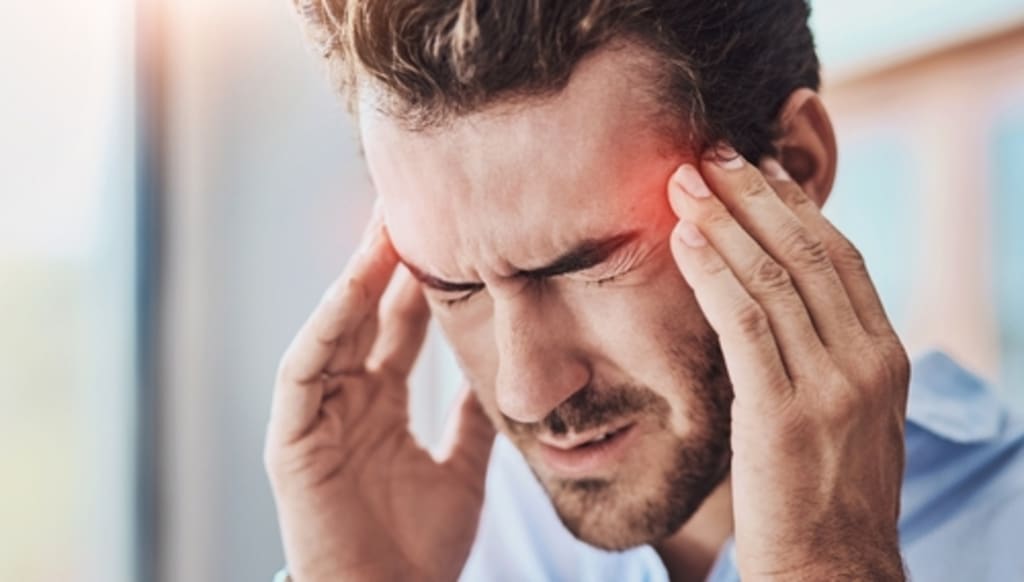
Migraines are a widespread neurological issue that cause more than just headaches. Affecting millions of people across the globe, they often involve intense, pulsating pain and can be accompanied by nausea, sensitivity to light and sound, and other symptoms. Many individuals who suffer from migraines wonder: Is it something I inherited?
Current research supports the idea that genetics plays a significant role in migraine development. If you have family members who experience migraines, your chances of dealing with them are higher, too. Let's dive deeper into the science and what you can do to manage them.
What Are Migraines?
Migraines are a complex brain disorder, not just ordinary headaches. They come with a variety of symptoms that can persist from several hours to a few days. Some key characteristics include:
- Pain that’s typically throbbing and felt on one side of the head
- Nausea or vomiting
- Hypersensitivity to light, sound, and sometimes even smells
- Visual or sensory disturbances known as aura
These symptoms can disrupt daily life, work routines, and social interactions. Learning about personal triggers and understanding inherited risks are crucial in keeping migraines under control.
The Genetic Factor in Migraines
Studies show a strong genetic component in migraine susceptibility. Around 60% to 80% of individuals with migraines have a close relative who also suffers from them.
Researchers have pinpointed several genes linked to migraine disorders, especially those that affect brain signaling, pain response, and blood flow regulation. Notable genes include:
- CACNA1A – Linked to migraines with aura, this gene impacts nerve cell communication.
- TRPM8 – Involved in detecting cold and pain sensitivity.
- KCNK18 – Plays a role in pain modulation.
While these genes may raise your risk, having them doesn’t guarantee you’ll experience migraines. Environmental and lifestyle choices are also influential.
Common Migraine Triggers
Beyond genetics, there are several external factors that can provoke migraine episodes:
- Emotional stress
- Certain foods and beverages (e.g., caffeine, red wine, processed meats)
- Hormonal changes such as those during menstruation or pregnancy
- Disrupted sleep or lack of rest
- Weather fluctuations, including barometric pressure shifts
Identifying personal triggers is an important step toward better migraine management.
How to Prevent Migraines
Although there’s no absolute cure for migraines, several preventive strategies can lower their frequency and severity:
1. Lifestyle Modifications
- Stick to a regular sleep routine
- Stay well-hydrated
- Use relaxation practices like yoga, breathing exercises, or mindfulness
2. Smart Eating Habits
- Avoid known dietary triggers (e.g., aged cheese, chocolate, artificial additives)
- Maintain regular, balanced meals
- Keep a food and symptom journal
3. Medical Treatments
- Doctors may prescribe medications such as beta-blockers, antidepressants, or anti-seizure drugs
- Botox is approved for chronic migraines and can lessen their frequency
- CGRP inhibitors are a newer option that target specific migraine pathways
4. Alternative and Complementary Approaches
- Acupuncture may help reduce frequency and severity
- Biofeedback can aid in stress management
- Meditation and mental wellness practices support long-term relief
When to See a Doctor
While many migraines can be handled at home, it's important to seek medical attention if you notice:
- New or unusually severe headaches
- Increased frequency of attacks that disrupt your daily routine
- Changes in usual migraine symptoms
- Any signs like confusion, weakness, or trouble speaking
A healthcare provider can help you identify underlying causes and tailor a plan to manage your migraines effectively.
Take Charge of Your Migraines
Although you can’t control your genetic makeup, you can take proactive steps to reduce how migraines affect your life. With the right combination of self-care, medical support, and awareness, many people find meaningful relief. If your migraines are getting in the way of your well-being, don’t hesitate to consult a professional.
About the Creator
Pang Physical Therapy
Pang Physical Therapy is an in-home certified vestibular therapist in San Diego, specializing in concussions, migraines, and all headache disorders, as well as vestibular disorders.
Enjoyed the story? Support the Creator.
Subscribe for free to receive all their stories in your feed.
Comments
There are no comments for this story
Be the first to respond and start the conversation.