
Are Implant-Retained Dentures Right for You? Exploring Your Denture Options
Dentures
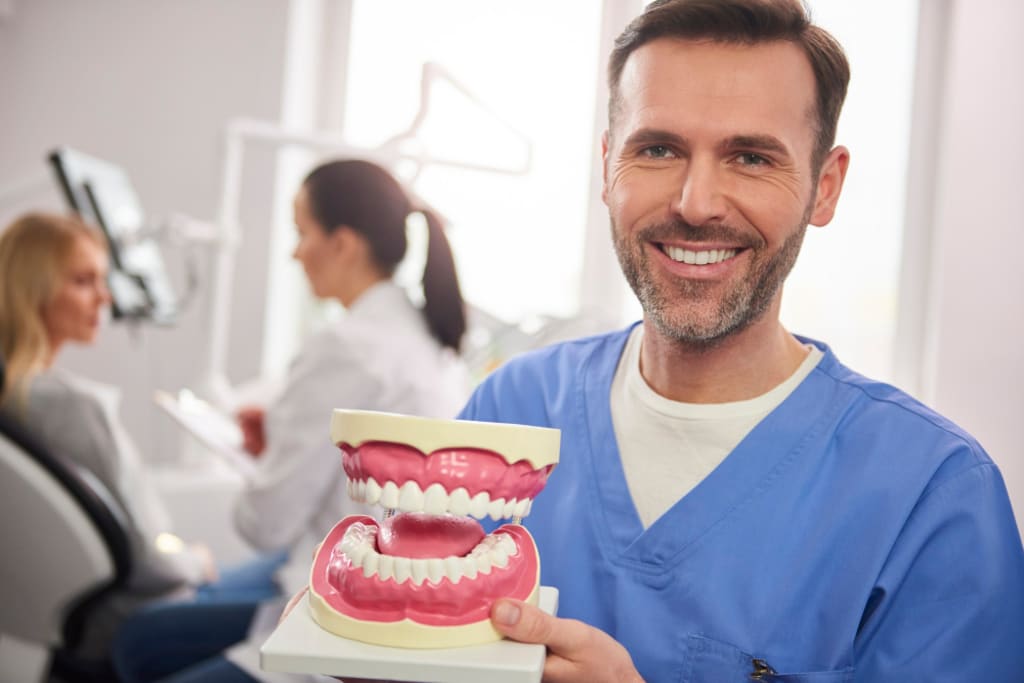
Dentures have long been famous for individuals with missing teeth, offering improved functionality and aesthetics. However, traditional removable dentures may sometimes present challenges such as discomfort, instability, and reduced biting force. For those seeking a more secure and permanent alternative, implant-retained dentures can be an excellent choice. This article will explore the benefits and considerations of implant-retained dentures to help you determine if they are the right solution.
Understanding Dentures:
Dentures are prosthetic devices that replace missing teeth and restore oral function and appearance. They consist of artificial teeth set in a gum-coloured base, which rests on the gums and is held in place using various methods. Traditional dentures can be complete (replacing all teeth) or partial (replacing only some teeth).
Implant-Retained Dentures: A Secure and Stable Solution:
Implant-retained dentures combine the stability and durability of dental implants with the convenience of dentures. Instead of relying solely on suction or adhesive for retention, these dentures are securely anchored to dental implants surgically placed in the jawbone. The implants act as artificial tooth roots, providing a solid foundation for the denture.
Benefits of Implant-Retained Dentures:
Enhanced Stability and Comfort: Implant-retained dentures offer superior stability compared to traditional dentures. The implants fuse with the jawbone, providing a solid base for the denture, minimising movement and discomfort. You can enjoy speaking, eating, and laughing confidently without worrying about denture slippage or shifting with implant-retained dentures.
Improved Biting Force: Traditional dentures may limit your ability to chew certain foods due to their removable nature and reduced biting force. Implant-retained dentures, on the other hand, restore nearly the same biting force as natural teeth. This allows you to enjoy a broader range of foods and maintain a balanced diet.
Preserved Jawbone Health: When teeth are lost, the underlying jawbone can deteriorate over time due to lack of stimulation. Dental implants in implant-retained dentures stimulate the jawbone, preventing bone loss and preserving its structure. This can help maintain facial aesthetics and avoid the sunken appearance often associated with tooth loss.
Improved Speech: Ill-fitting dentures can affect speech clarity, causing slurring or mumbling. Implant-retained dentures provide a stable and secure fit, allowing for natural speech patterns and improved articulation.
Considerations for Implant-Retained Dentures:
Adequate Bone Density: Dental implants require sufficient jawbone density to ensure successful integration. If you have experienced significant bone loss, your dentist may recommend bone grafting or alternative treatments to enhance bone volume before proceeding with implant-retained dentures.
Oral Health and Overall Well-being: Good oral hygiene is essential for the long-term success of implant-retained dentures. Regular brushing, flossing, and dental check-ups are necessary to maintain healthy gums and prevent complications. Additionally, individuals with certain medical conditions or habits, such as smoking, may need to be evaluated individually to determine the suitability of implant-retained dentures.
Treatment Time and Cost: Receiving implant-retained dentures typically involves multiple stages, including implant placement and a healing period. The overall treatment time may vary depending on individual circumstances. Additionally, implant-retained dentures have a higher upfront cost than traditional dentures. However, they offer long-term benefits that may outweigh the initial investment.
Conclusion:
Implant-retained dentures provide a secure, stable, and long-lasting solution for individuals seeking to replace missing teeth. With improved stability, enhanced biting force, and preserved jawbone health, implant-retained dentures offer significant advantages over traditional dentures. However, it is essential to consider factors such as bone density, oral health, and treatment time and cost when determining whether implant-retained dentures fit you. Consult a qualified dentist specialising in implant dentistry to assess your needs and choose the most suitable denture option to restore your smile and oral function.
About the Creator
Enjoyed the story? Support the Creator.
Subscribe for free to receive all their stories in your feed.
Comments
There are no comments for this story
Be the first to respond and start the conversation.