
Are Automatic Barrier Gates Easy to Maintain?
Understanding the Maintenance Needs of Modern Barrier Gate Systems

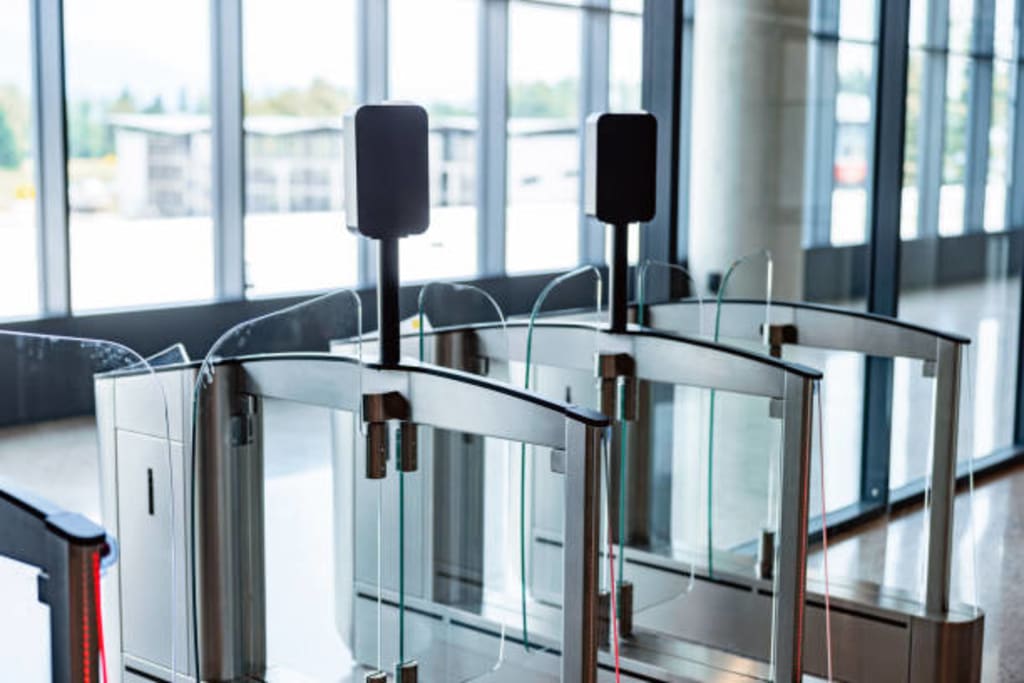
utomatic barrier gates are a vital part of modern access control systems. From commercial premises to public car parks, these devices are everywhere. But a common question arises: are automatic barrier gates easy to maintain?
Understanding the mechanics and upkeep of these systems can help facilities managers, property owners, and business operators make informed decisions. Whether you're dealing with an automatic parking barrier or a general barrier for car parks, maintenance plays a key role in long-term performance and cost-effectiveness.
Let’s explore what goes into maintaining these gates, common issues faced, and how to make sure your automatic barrier gate operates reliably over time.
How Automatic Barrier Gates Work
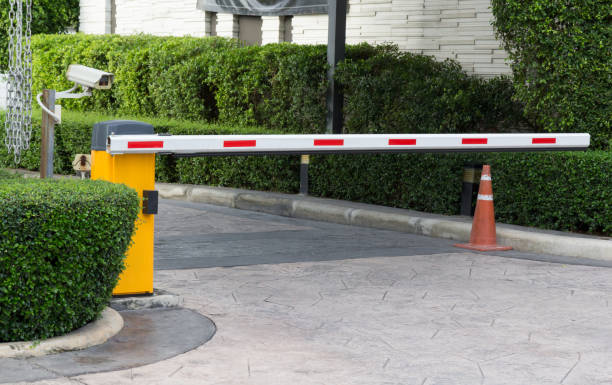
An automatic barrier gate typically operates using an electric motor that lifts or lowers a boom arm to regulate vehicle access. These gates are often controlled remotely—by sensors, access cards, keypads, or ANPR (automatic number plate recognition) systems.
Most systems are robustly built to endure harsh weather conditions and heavy use. However, like any mechanical device, they require periodic care to function optimally.
What Makes a Barrier Gate Low-Maintenance?
Many manufacturers design automatic barrier gates with durability in mind. Features that contribute to easy maintenance include:
Sealed motor units: Protect components from dust and moisture.
Stainless steel or powder-coated housing: Prevent corrosion.
Modular parts: Allow easier repairs and replacements.
Fail-safe modes: Ensure gates open during power outages, reducing stress on the system.
However, “low-maintenance” doesn’t mean “no maintenance.”
Routine Maintenance Tasks
For an automatic parking barrier or barriers for car parks, the following routine checks are essential:
Visual inspections: Look for wear on moving parts and signs of tampering or vandalism.
Lubrication: Hinges, gears, and springs should be lubricated regularly to reduce friction.
Cleaning: Dust and debris should be removed to prevent jams or overheating.
Electrical checks: Ensure wiring and connections are secure and corrosion-free.
Control system testing: Verify that remote controls, loops, or ANPR readers are functioning correctly.
Typically, these checks can be carried out monthly or quarterly, depending on the usage level and environment.
Common Issues and How to Resolve Them
Even the best barrier gates can encounter problems. Here are a few typical issues and their solutions:
Slow or jerky arm movement: This might indicate a lubrication problem or worn-out motor.
Barrier not responding: Could be due to a faulty sensor, control board, or power failure.
Unusual noise: Usually a sign of misalignment or loose parts.
Gate stuck open/closed: Often caused by electrical faults or foreign objects in the mechanism.
Prompt identification and minor repairs can prevent costly downtime or full system replacements.
Are Spare Parts Easily Available?
Most reputable suppliers offer a good stock of spare parts for their automatic barrier gate models. Universal components like arms, springs, sensors, and motors are widely available.
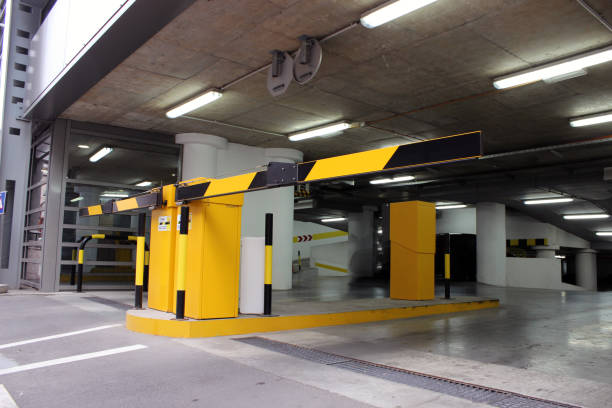
In the UK, suppliers of barriers for car parks usually maintain a steady inventory, especially for commonly used models. That makes DIY repairs or technician-assisted maintenance easier and faster.
Professional Maintenance vs. In-House Checks
While basic upkeep can be done in-house, a professional annual service is recommended. Trained technicians can detect hidden issues, recalibrate systems, and upgrade firmware if required.
In heavily trafficked locations—such as busy car parks or commercial gates—biannual services might be necessary to ensure optimal performance and safety.
Environmental Considerations
Weather plays a crucial role in how well automatic gates perform over time. In coastal or high-rainfall areas, corrosion can be an issue, while cold climates may require de-icing mechanisms.
Proper enclosure and weather-resistant components help reduce weather-related maintenance needs.
Costs Associated With Maintenance
Maintenance costs are usually predictable and relatively low. Expect minor costs for lubrication, part replacements, and technician fees. However, neglecting small issues can lead to major faults, which are far more expensive to resolve.
Preventive maintenance saves money in the long run and ensures uninterrupted operation.
Lifespan of an Automatic Barrier Gate
With proper care, a quality automatic barrier gate can last between 10 to 15 years. Maintenance frequency and quality directly impact lifespan. A gate operating 24/7 in a high-use environment will naturally require more upkeep than one used occasionally.
Eco-Friendliness of Modern Barrier Gates
Newer models are becoming more energy-efficient. They consume less power during operation and often enter sleep modes when idle. Regular maintenance ensures these features continue to operate efficiently, reducing your carbon footprint.
Compatibility with Other Systems
Well-maintained gates integrate seamlessly with security systems, CCTV, and building management platforms. Keeping software updated and sensors clean ensures barrier gates remain responsive and compatible with the latest technology.
Conclusion
So, are automatic barrier gates easy to maintain? In most cases—absolutely. With straightforward upkeep, durable construction, and widespread availability of parts, maintaining these systems is manageable. Whether you're securing a private facility or managing barriers for car parks, a consistent maintenance plan ensures performance, longevity, and peace of mind.
Frequently Asked Questions
How often should an automatic barrier gate be serviced?
Typically, every 6 to 12 months, depending on usage and manufacturer guidelines.
Can automatic barrier gates be repaired by in-house staff?
Basic issues like sensor cleaning or boom arm replacement can be handled in-house. More complex repairs require a technician.
What’s the most common cause of gate failure?
Power issues, worn mechanical parts, and sensor malfunctions are common culprits.
Do barriers for car parks need more maintenance?
Yes, due to higher traffic levels and exposure to the elements, they often require more frequent checks.
Is it worth investing in a maintenance contract?
For busy or high-security sites, yes. It ensures prompt service and reduces the risk of operational delays.
Are automatic parking barriers suitable for harsh weather?
Most are, especially if they come with weatherproof housing and components rated for extreme temperatures.
About the Creator
Enjoyed the story? Support the Creator.
Subscribe for free to receive all their stories in your feed.
Comments
There are no comments for this story
Be the first to respond and start the conversation.