
AI Is Replacing You Faster Than You Think (But Here’s the Truth No One Talks About)
The rise of artificial intelligence is changing everything—but not in the way you’ve been told
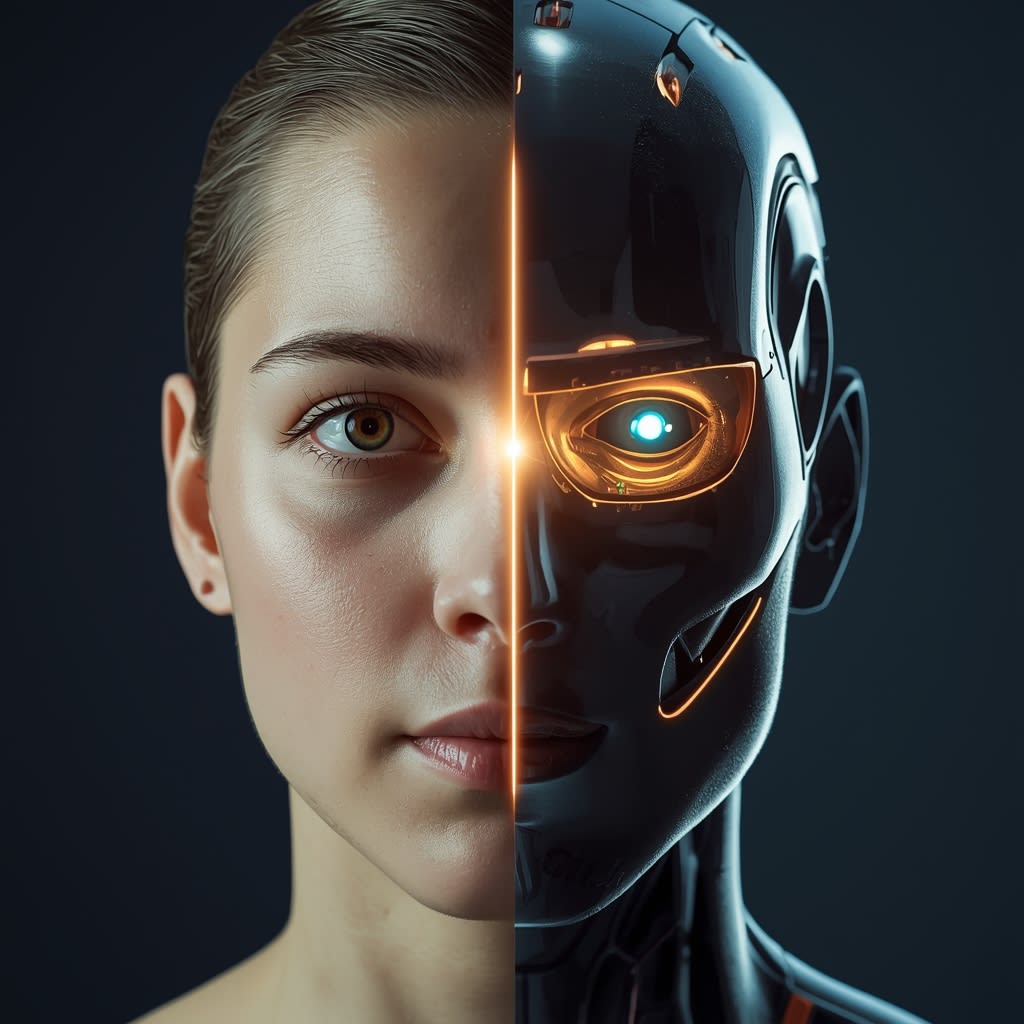
Scroll through any social media platform today, and you’ll notice a pattern. Everyone is talking about AI. Some are excited. Others are scared. And many are quietly wondering the same question:
“Am I going to be replaced?”
This fear didn’t come out of nowhere. In 2026, artificial intelligence is no longer just a tool—it’s becoming part of everyday work. In fact, reports show that about half of employees are already using AI in their jobs, and many believe it’s improving productivity. ()
At the same time, companies are restructuring teams, automating tasks, and even reducing staff—all in the name of efficiency.
So yes, something big is happening.
But the real story is deeper than “AI is taking jobs.”
The Rise of the “AI Standard”
Here’s what most people don’t realize: AI isn’t just replacing work—it’s changing expectations.
Machines don’t get tired. They don’t have bad days. They don’t lose focus.
And because of that, a new standard is quietly forming—one where humans are expected to perform like machines.
Some experts even describe this as a “humanity discount,” where natural human traits—like emotions, mistakes, or slower thinking—are seen as weaknesses compared to AI’s consistency. ()
That’s why so many people feel more pressure than ever before, even if they’re still employed.
It’s not just about losing jobs.
It’s about being compared to something that never gets exhausted.
Why Everyone Feels Replaceable
Social media amplifies this fear.
You see creators using AI to write, design, edit, and even generate videos in seconds. Businesses are building “one-person teams” powered by AI tools.
And suddenly, it feels like:
One person can do the work of ten
Speed matters more than depth
Output matters more than originality
This creates a dangerous illusion—that humans are becoming less valuable.
But that’s not entirely true.
What AI Can’t Replace (Yet)
Despite all the hype, AI still has limits.
It can generate content, but it doesn’t truly understand meaning.
It can analyze data, but it doesn’t experience real-world complexity.
It can mimic emotions, but it doesn’t feel them.
And these differences matter more than people think.
The future isn’t about humans vs AI.
It’s about humans who know how to use AI vs humans who don’t.
The Real Shift: From Doing to Thinking
Before AI, success was often about doing more—more tasks, more hours, more output.
Now, the game is changing.
AI can handle repetitive work. That means your value comes from:
Thinking critically
Making decisions
Being creative
Understanding people
In other words, the more “human” your skills are, the more valuable you become.
Ironically, the rise of AI is making human abilities more important—not less.
The Dangerous Trap You Should Avoid
There’s one mistake many people are making right now:
They’re trying to compete with AI.
They try to be faster, more efficient, more machine-like.
But that’s a losing game.
You can’t outwork a machine that never sleeps.
Instead, the smarter move is to work differently.
Use AI as a tool—not a competitor.
Let it handle the boring parts so you can focus on what actually matters.
The Future Belongs to the Adaptable
History has shown this pattern before. Every major technological shift creates fear at first—but also opportunity.
The people who struggle are usually the ones who resist change.
The people who succeed are the ones who adapt early.
Right now, we’re at that exact moment again.
AI is not the end of opportunity.
It’s the beginning of a new kind of advantage.
Final Thought
The truth is simple:
AI is not here to replace you.
But someone who knows how to use AI better than you might.
And that’s the real competition.
The sooner you understand this, the sooner you can stop worrying—and start adapting.
About the Creator
Enjoyed the story? Support the Creator.
Subscribe for free to receive all their stories in your feed.
Comments
There are no comments for this story
Be the first to respond and start the conversation.