
Aesthetic Solutions for Varicose Veins: Your Complete Treatment Guide
Discover effective cosmetic treatments for varicose veins, including laser therapy, sclerotherapy, and more. Restore comfort and confidence with expert care at Vein & Vascular Medicine Clinic. Book your consultation today.
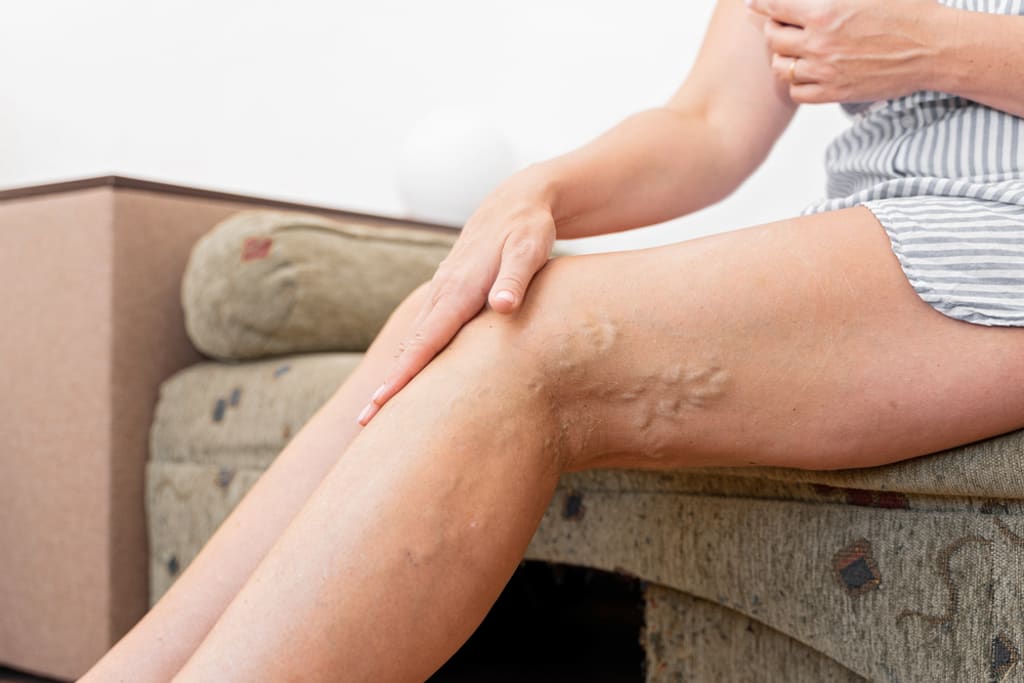
Varicose veins are a common condition that many people experience, particularly in the legs and feet. These swollen, twisted veins often appear blue or purple and can be both a cosmetic concern and a source of physical discomfort. If untreated, they may lead to pain, swelling, or even complications like skin changes and ulcers.
The good news is that several effective, minimally invasive cosmetic treatments are available today. Whether your goal is to relieve discomfort or improve the appearance of your legs, this guide provides a comprehensive overview of causes, treatment options, and post-treatment care.
Understanding Varicose Veins
Varicose veins develop when valves within the veins weaken or fail, causing blood to flow backward and pool. This results in enlarged, bulging veins near the surface of the skin.
Common Symptoms:
- Enlarged, rope-like veins under the skin
- A feeling of heaviness or aching in the legs
- Swelling, especially around the ankles
- Muscle cramps or throbbing
- Discolouration and itching near affected veins
Why Choose Cosmetic Treatment for Varicose Veins?
While some individuals pursue treatment purely for aesthetic reasons, others seek relief from uncomfortable symptoms. Addressing varicose veins early can prevent further complications and improve your quality of life.
Treatment Benefits:
- Enhanced leg appearance and skin tone
- Relief from pain, fatigue, and swelling
- Prevention of vein-related complications
- Boosted self-esteem and mobility
- Causes and Risk Factors
Various factors contribute to the formation of varicose veins. Understanding these can help you manage or prevent future occurrences.
Risk Factors Include:
- Family history of varicose veins
- Ageing and natural wear on vein valves
- Pregnancy and hormonal changes
- Being overweight
- Prolonged periods of sitting or standing
- Wearing tight clothing or high heels frequently
- Available Cosmetic Treatments
Modern techniques offer a range of outpatient, non-surgical options designed to treat varicose veins effectively, often with minimal recovery time.
1. Sclerotherapy
This involves injecting a solution directly into the vein, causing it to shrink and gradually fade from view.
Highlights:
- Best for small to medium veins
- Quick outpatient procedure
- No downtime required
2. Endovenous Laser Therapy (EVLT)
A laser fibre is inserted into the vein to apply heat and seal it shut from the inside.
Highlights:
- Minimally invasive
- Quick results and recovery
- No stitches or scarring
3. Radiofrequency Ablation (RFA)
Uses radiofrequency energy to heat and close damaged veins through a catheter.
Highlights:
- Local anaesthesia
- Excellent for large veins
- Fast symptom relief
4. Microphlebectomy
Small incisions are made to remove the visible vein through a series of precise punctures.
Highlights:
- Instant cosmetic improvement
- Tiny, scar-free entry points
- Performed under local anaesthesia
5. Foam Sclerotherapy
A foam solution is used to treat larger veins or veins not responding to standard sclerotherapy.
Highlights:
- Broad area coverage
- May be combined with other treatments
- Minimal downtime
What to Expect Before, During, and After Treatment
Before Treatment:
- A vein specialist will conduct a physical exam and often use ultrasound imaging
- Your medical history and lifestyle are evaluated for the best course of action
During Treatment:
- Most procedures take 30 to 60 minutes
- You remain awake and comfortable under local anaesthesia
- Mild sensations like tingling or warmth are normal
Aftercare:
- Wear compression stockings as instructed
- Resume light activity such as walking to aid circulation
- Avoid strenuous exercises for a few days
- Follow all post-procedure care for optimal healing
Can Varicose Veins Return?
Once treated, the specific veins are effectively closed or removed. However, new varicose veins can develop over time if contributing factors persist. Regular check-ups and proactive prevention help maintain long-term results.
Preventing Future Vein Issues
Preventive care and lifestyle adjustments can significantly reduce the risk of varicose veins reappearing.
Prevention Tips:
- Engage in regular physical activity
- Maintain a healthy body weight
- Elevate legs periodically
- Avoid tight-fitting clothes and high heels
- Take breaks during long periods of sitting or standing
- Use compression stockings if advised by your doctor
Frequently Asked Questions (FAQs)
Q1: Are cosmetic treatments painful?
No. Most treatments involve minimal discomfort and are performed under local anaesthesia.
Q2: Is there a long recovery period?
Most people return to regular activities within 24–48 hours, although intense physical activity should be avoided for a short time.
Q3: Will insurance cover the treatment?
If varicose veins cause pain or functional issues, insurance may cover the procedure. Aesthetic-only treatments are usually considered elective.
Q4: How long before I see results?
Some results are immediate, while others develop over several weeks as the body reabsorbs treated veins.
In Conclusion: Take the First Step Towards Healthier Legs
Living with varicose veins doesn’t have to be a permanent experience. With today’s advanced cosmetic procedures, you can restore comfort, improve the appearance of your legs, and prevent future complications safely and effectively.
Vein & Vascular Medicine Clinic provides expert-led, personalised care using state-of-the-art techniques for varicose vein treatment. Whether you’re seeking relief from symptoms or simply want smoother, more confident legs, we’re here to help.
👉 Book your consultation now to explore your treatment options with our team.
About the Creator
Vein & Vascular Medicine Clinic
At Vein & Vascular Medicine Clinic in East Brunswick, NJ, we specialize in advanced treatments for varicose veins, chronic venous insufficiency, and peripheral artery disease.
Enjoyed the story? Support the Creator.
Subscribe for free to receive all their stories in your feed.
Comments
There are no comments for this story
Be the first to respond and start the conversation.